
Lieferung heute & morgen

Qualitätsgarantie

Willkommens-Angebote freischalten: KOSTENLOSE Lieferung | Bis zu 80 % RABATT | Kostenlose 30-Tage-JoyPlus-Testphase
App herunterladen
The AMD Ryzen 5 8400F processor is aimed at PC gamers, DIY builders and upgraders looking for a modern 6-core processor for a desktop PC. On paper, 12 threads, a boost clock of up to 4.7 GHz, 65 watt TDP and the Zen 4 architecture offer a balanced mix of computing power and energy efficiency.
However, clock speed isn't the only thing that matters when buying. Extra costs often arise from an incompatible motherboard, the wrong memory, or a CPU cooler you hadn't planned for. The points below will help you make sense of the technical specifications.
The Ryzen 5 8400F belongs to the AMD CPU AM5 platform. You'll need a motherboard with Socket AM5. An older AM4 motherboard, for example one used for a Ryzen 5 5600X or Ryzen 7 5700, is not compatible.
The memory must also match the platform: the Ryzen 5 8400F is designed for DDR5. DDR4 modules cannot be used in an AM5 system. So before you buy, plan your motherboard, memory kit and processor as a matching combination.
The 4.7 GHz boost clock figure describes the maximum possible frequency under suitable conditions. Temperature, workload, motherboard settings and cooling all affect when this value is reached. A higher clock speed alone therefore doesn't give you a reliable indication of performance in every game or application.
The term BOX describes the packaging variant. You should always check the specific delivery contents to see whether a CPU cooler is included. Additionally, with the Ryzen 5 8400F, note that the model with the "F" suffix typically has no integrated graphics unit. You will therefore usually need a separate graphics card for video output. The details on the individual product page take precedence.
The Ryzen 5 8400F uses Socket AM5 and supports DDR5 memory. For a stable build, we recommend a memory kit listed on the motherboard's compatibility list. What matters here isn't just capacity and speed, but also BIOS and motherboard support.
If you already own an AM4 PC, you cannot reuse your existing DDR4 memory. Switching to the Ryzen 5 8400F will normally require at least a new AM5 motherboard and DDR5 RAM.
With 6 cores and 12 threads, the Ryzen 5 8400F is a typical 12-thread processor for gaming, office work, image editing and parallel applications. The Zen 4 architecture supports current desktop platforms and provides a foundation for future upgrades within the AM5 system.
For gaming, the graphics card remains a key performance factor. For tasks like video conversion, compiling or heavy multitasking, the extra cores of a Ryzen 7 or Threadripper model may be more suitable.
The stated TDP of 65 watts is a guideline for thermal design and is not the same as the continuously measured power consumption. A compatible cooler, a well-ventilated case and a motherboard with an up-to-date BIOS version are all part of a working configuration.
The overclocking option should also not be considered in isolation. An overclockable AMD processor needs sufficient cooling headroom and can consume more power with manual settings. Changes can also affect stability and component stress.
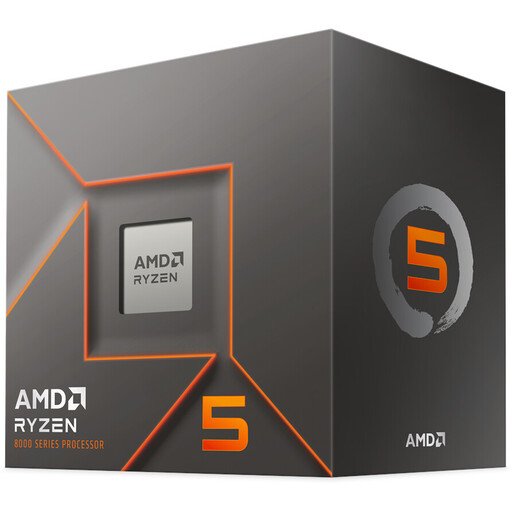
Why this product suits the profile: The 6-core processor with 12 threads, Zen 4 and up to 4.7 GHz is ideal for a new AM5 gaming PC with DDR5 memory.
The relevant platform details point to AM5 and DDR5. Before buying, you should check the motherboard, cooler and graphics card separately.
6 cores/12 threads, 65 watt TDP and overclocking support according to product specifications.
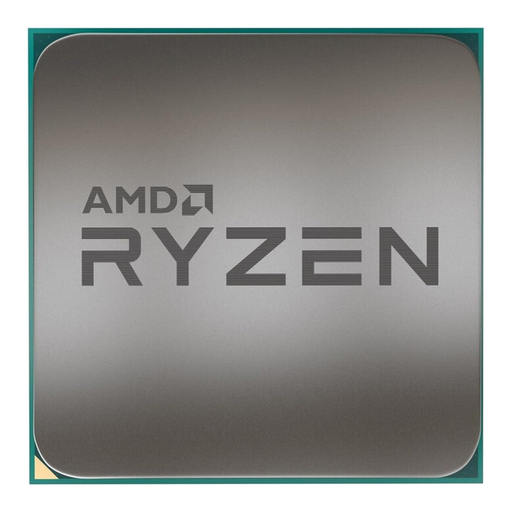
Why this product suits the profile: For existing AM4 systems, the 8-core processor can be an option if you want to continue using DDR4 and don't plan a platform change.
The AM4, DDR4 and tray details make it clear that the motherboard, memory and cooler need to be planned differently than for the 8400F.
8 cores/16 threads, up to 4.6 GHz and 65 watt TDP; CPU cooler and thermal paste are not included with the tray version.
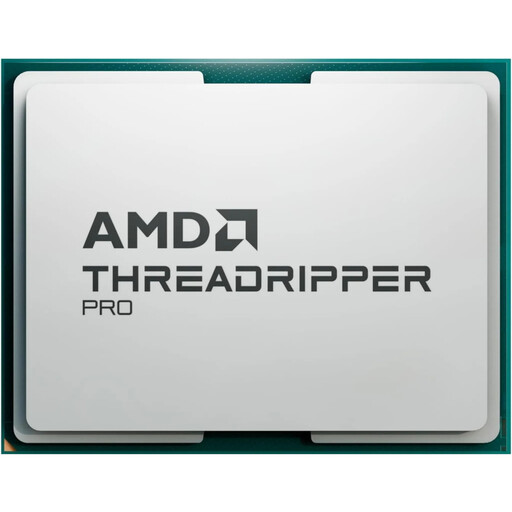
Why this product suits the profile: For professional workstations handling rendering, simulation or heavily parallelised applications, 64 cores and 128 threads on the sTR5 platform are designed for the job.
The clear sTR5 platform, 350 watt TDP and lack of integrated graphics prevent confusion with a standard AM5 gaming CPU.
64 cores/128 threads, up to 5.1 GHz, PCIe 5.0 and DDR5 support according to product data.
We've put together a complete, regularly updated list of products that fully meet these strict selection criteria and the safety regulations in force in the EU.
You need an AM5 motherboard with support for the Ryzen 5 8400F. You should also check the BIOS version. Since the processor uses DDR5, the board must have suitable DDR5 slots. An AM4 motherboard with DDR4 memory is not suitable.
For video output, you should plan for a separate graphics card, as the "F" model typically comes without an integrated graphics unit. Before buying, we recommend cross-referencing with the latest AMD and motherboard manufacturer data.
The lifespan depends on software requirements, cooling, system maintenance and the graphics card you use. For stable operation, a suitable cooler, adequate case ventilation, up-to-date BIOS and chipset drivers, and correct installation are all essential. The 65-watt class can make cooling planning relatively straightforward, but it doesn't replace a proper compatibility check.