
Lieferung heute & morgen

Qualitätsgarantie

Willkommens-Angebote freischalten: KOSTENLOSE Lieferung | Bis zu 80 % RABATT | Kostenlose 30-Tage-JoyPlus-Testphase
App herunterladen
Purchasing a new fridge-freezer is a decision that will impact your daily life for years to come. But the market is flooded with marketing promises and technical specs that confuse more than they clarify. As your Joybuy Product Recommendation Officer, I'll help you separate the crucial facts from superfluous advertising messages. We'll focus on the features that truly matter and expose two common traps that can lead to a bad purchase.
Trap 1: The Fallacy of "Large" Usable Volume Manufacturers often advertise an impressive total volume in litres. In practice, however, the raw number isn't what's important—it's how the interior is designed. A poorly planned layout with impractical compartments or fixed, non-adjustable shelves can render a nominally large appliance unusable. The result: you pay for volume you can't use efficiently.
Trap 2: The Misleading "Quiet" Label A refrigerator advertised as "quiet" can still be disruptive in an open-plan kitchen. The decibel rating (dB) alone is only half the story. The type of noise—a high-pitched hum, a sudden click, or a constant gurgle—is often more critical to your perception. Appliances without modern compressor technology are prone to irregular and often louder operating sounds.
To make an informed decision, you should focus on objective, measurable criteria. These three factors determine the performance, running costs, and convenience of your future fridge-freezer.
Since 2021, a new EU energy label has been in effect, with a scale from A (very efficient) to G (inefficient). An appliance with an Energy Efficiency Class C rating represents a very good standard today, offering an excellent balance between purchase price and long-term electricity costs.
However, pay closest attention to the annual energy consumption in kilowatt-hours (kWh/a). This value indicates how much electricity the appliance consumes per year under average use and is the most reliable figure for calculating actual operating costs. A low kWh value is not only easier on your wallet but also better for the environment.
The choice between a No-Frost refrigerator and a model requiring manual defrosting directly impacts maintenance effort and food quality.
For most households, the added convenience of a No-Frost system is well worth the slightly higher initial investment.
For anyone who wants a quiet refrigerator, noise emission is a critical criterion, especially in open-plan living areas or small apartments. The value is specified in decibels (dB).
Also, pay attention to the compressor technology. Models with an inverter compressor run more continuously and at a lower speed, resulting in a smoother and quieter operating sound than conventional compressors that switch on and off abruptly.
Here are some models tailored to specific needs that avoid the pitfalls mentioned.
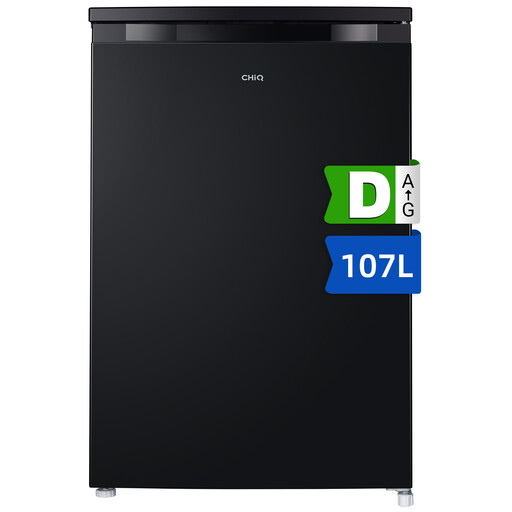
Why This Fits Their Persona: Ideal for students or singles in small apartments. This small refrigerator offers 107 litres of space, ample for a one-person household, and includes an integrated freezer compartment for essentials. Its compact design requires only a 0.3 m? footprint.
It avoids the trap of a loud, disruptive appliance in small living spaces. At just 39 dB, its operation is quiet and unobtrusive, making it suitable for open-plan kitchens or studio apartments.
Compact dimensions and a small footprint. The separate 13-litre freezer compartment offers more flexibility than a simple icebox.
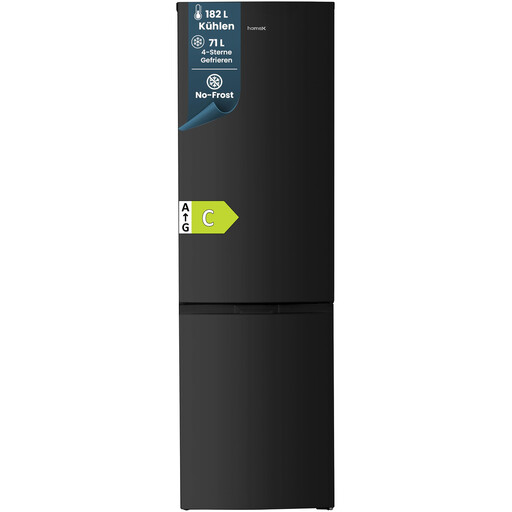
Why This Fits Their Persona: Perfect for families who value storage space and low maintenance. This freestanding fridge-freezer offers 253 litres of total volume and a thoughtfully designed interior with adjustable shelves, providing plenty of room for the weekly grocery haul.
The Total No-Frost technology prevents ice build-up and makes manual defrosting obsolete. This avoids the trap of an inefficient, iced-over freezer, saving time and energy.
Excellent Energy Efficiency Class C (141 kWh/a) and a Super-Frost function for rapidly freezing fresh food.
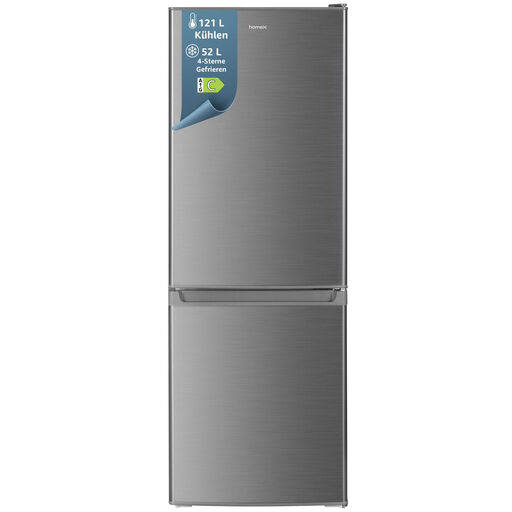
Why This Fits Their Persona: For households that think long-term and want to minimize operating costs. This model combines a practical 173-litre volume with outstanding energy efficiency, making it an economically sound choice.
This appliance avoids the trap of high running costs. With an Energy Efficiency Class C rating and a very low annual consumption of just 124 kWh, its operating costs are transparent and minimal.
Excellent energy efficiency for its size class. The 4-star freezer compartment with 52 litres of volume also offers reliable long-term storage for frozen goods.
We have compiled a complete, up-to-date list of products that fully meet these strict selection criteria and German safety regulations.
Above all, No-Frost technology means convenience and efficiency. You will never have to manually defrost the freezer section again, which saves time and effort. Since no ice forms, the appliance's energy consumption remains consistently low, and its cooling performance is not compromised. Additionally, the cold, dry air ensures that food packages don't freeze together.
Consumption depends on the size and specific features. A model with Energy Efficiency Class C, like the 253-litre homeX combination featured here, consumes about 141 kWh per year according to the manufacturer. Assuming an electricity price of 35 cents/kWh, this would correspond to annual electricity costs of approximately €49. A smaller Class C model of 173 litres can consume as little as 124 kWh, further reducing costs.
The decibel (dB) value on the energy label is the best objective indicator. For context: 30 dB is equivalent to a soft whisper, while 40 dB is like a quiet library. A refrigerator with a freezer compartment specified at 38 dB or less is considered very quiet. Also, look for the "inverter compressor" feature, as this technology often provides a more consistent and less intrusive operating sound.