
Lieferung heute & morgen

Qualitätsgarantie

Willkommens-Angebote freischalten: KOSTENLOSE Lieferung | Bis zu 80 % RABATT | Kostenlose 30-Tage-JoyPlus-Testphase
App herunterladen
Dry skin feels tight after washing, sensitive skin reacts to fragrances, or a cleanser leaves a parched feeling despite thorough cleansing: when choosing an amino acid facial cleanser, it’s not just the word “amino” on the packaging that counts. What really matters is the entire formulation, how you use it, and whether it suits your skin type.
Amino acid-based surfactants can be an interesting option for daily facial cleansing. However, they are not an automatic guarantee of a particularly gentle formula. Even an amino acid cleansing foam can contain fragrances, essential oils, or other ingredients that may not suit every skin type.
Amino acids can appear in a product as part of the cleansing action or as a nourishing component. However, the actual cleansing performance depends primarily on the surfactants used, their combination, and the full INCI list. A mild amino acid facial cleanser should therefore not be chosen based on the product name alone.
A dense foam can feel pleasant, but it says little about how well the skin will tolerate it. Massaging for too long, using hot water, or cleansing repeatedly can stress the skin more than the short cleansing process itself. Especially with facial cleansing for sensitive skin, a short, gentle application makes sense.
Glycerin, hyaluronic acid, or panthenol may be included in the formulation. Yet fragrances, essential oils, or certain plant extracts can still be unsuitable for some individuals. If you have dry or reactive skin, you should check the full ingredient list on the packaging. Ingredients can vary depending on the production batch.
Look for specific names such as Sodium Cocoyl Glutamate, Sodium Cocoyl Apple Amino Acids, Potassium Cocoyl Glycinate, or Sodium Lauroyl Glutamate. These details show which cleansing components are used. The term “amino” alone does not replace checking the entire formula.
For a gentle cleanser for dry skin, additional ingredients like glycerin, betaine, lecithin, or panthenol can be of interest. For sensitive skin, it’s worth looking out for perfume, essential oils, and declarable fragrance allergens such as limonene.
A pH-neutral facial cleanser or a product with a mildly acidic formulation can be of interest to those who pay attention to the formula and pH level. However, the specific pH value should come from the supplier or packaging, not be inferred from the product name.
The format also affects everyday practicality: a pump dispenser is convenient, while tubes can be good for travel. With a 3-pack, you should check the shelf life after opening and the printed best-before or use-by date.
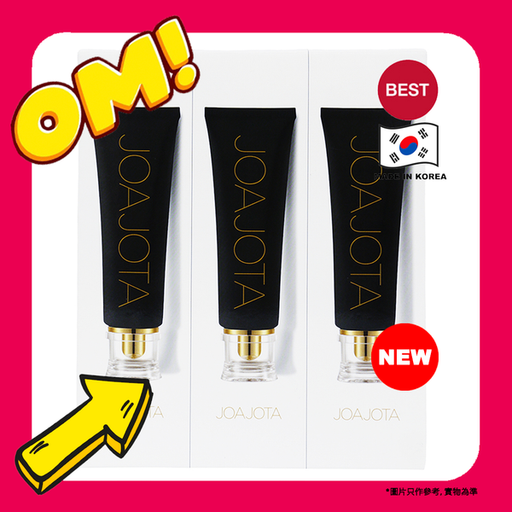
Why this product fits the profile: The set includes three tubes of 120 ml each and is aimed, according to the product description, at oily, combination skin and skin with visible pores. It is suitable for those looking for a supply for daily use.
The product description mentions both charcoal and amino-based cleansing components. Nevertheless, check the current INCI list before purchasing and observe whether the cleansing feels too degreasing on dry skin.
Three 120 ml tubes; soft foam; according to the product details, intended for morning and evening use.
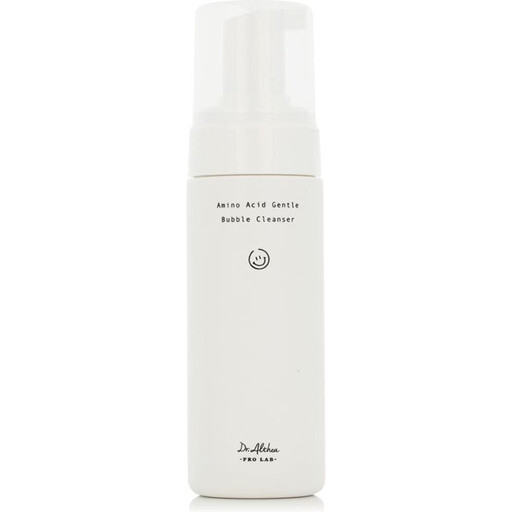
Why this product fits the profile: The product details list 17 amino acids, glycerin, sodium hyaluronate, and ceramide NP. This makes the cleanser interesting for buyers who pay attention to moisture-retaining ingredients alongside cleansing.
The selection can be evaluated based on the listed ingredients. At the same time, the stated formula contains citrus orange oil and limonene; those sensitive to fragrances should check the packaging details particularly carefully.
140 ml content; foam pump; according to the product description, a water-based formula with multiple amino acids and sodium hyaluronate.
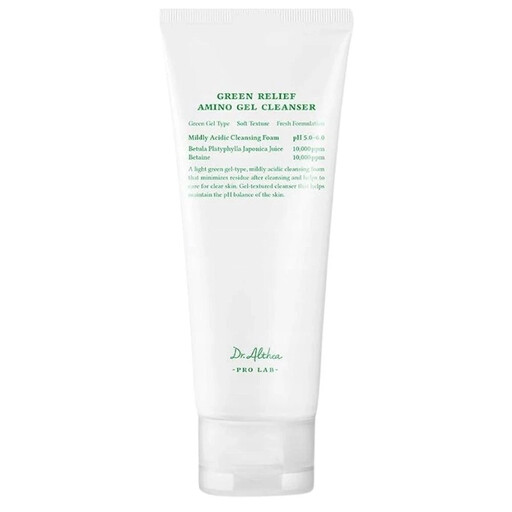
Why this product fits the profile: According to the product description, the gel texture is intended for daily use on damp skin. Ingredients mentioned include panthenol, allantoin, sodium hyaluronate, and plant extracts.
The gel-like texture avoids the assumption that a heavily foaming cleanser must necessarily clean more thoroughly. For sensitive skin, the plant-based ingredients and the current INCI list should be taken into account.
100 ml content; amino acid-based surfactants; according to the product details, with panthenol and two forms of sodium hyaluronate.
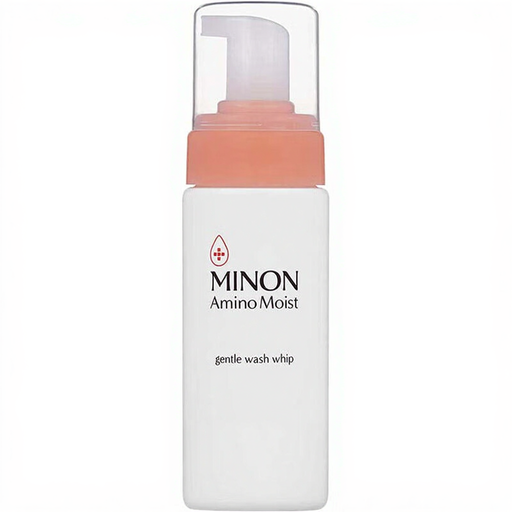
Why this product fits the profile: According to the product description, this cleansing foam is free from fragrances, colourants, alcohol, and parabens. It also lists nine amino acids and a mildly acidic formulation.
The product details make key exclusions transparent. Nevertheless, allergies, individual intolerances, and the current packaging declaration should still be considered.
150 ml content; instant foam from the pump dispenser; according to the product description, intended for dry and sensitive skin.
We have compiled a complete, regularly updated list of products that fully meet these strict selection criteria and the safety regulations in force in the EU.
For dry skin, cleansing once in the evening is often sufficient; in the morning, water or a very quick cleanse may be enough, depending on how your skin feels. For make-up and waterproof sunscreen, follow the manufacturer’s recommendations. If you experience redness, stinging, or persistent discomfort, discontinue use of the product.
That depends on the complete formulation and your individual tolerance. Amino acid-based surfactants can be an option, but they do not guarantee freedom from irritation. Check for fragrances, essential oils, and other ingredients on the current packaging.
Many products are intended for morning and evening use according to the product details. For dry or tight-feeling skin, cleansing once in the evening may be sufficient. What matters is how your skin feels after rinsing.
The duration of use depends on the volume, dosage, and frequency. A 150 ml pump dispenser used once or twice daily usually lasts longer than a smaller 100 ml container, but it cannot be calculated universally. The printed use-by date and, where applicable, the shelf life after opening are the decisive factors.