
Lieferung heute & morgen

Qualitätsgarantie

Willkommens-Angebote freischalten: KOSTENLOSE Lieferung | Bis zu 80 % RABATT | Kostenlose 30-Tage-JoyPlus-Testphase
App herunterladen
An amino acid supplement can provide individual amino acids or a complete complex, depending on the product. For athletes, fitness enthusiasts and health-conscious adults, however, the choice isn’t always straightforward: powders, capsules, BCAA blends and pre-workout formulas differ significantly in their composition, dosage and added ingredients.
If you only focus on big marketing claims or eye-catching packaging, you could end up paying for ingredients that offer no real benefit in your daily routine. The following criteria will help you assess a product objectively.
A product packed with amino acids, vitamins, plant extracts and electrolytes isn’t necessarily right for every training goal. With a BCAA powder, for example, the amounts of L-Leucine, L-Isoleucine and L-Valine should be listed separately. With a single-ingredient product like L-Glutamine powder or Beta-Alanine powder, what matters is how much of that particular amino acid is in each serving.
A large tub might look good value at first glance. A more meaningful comparison is based on servings, grams per serving and cost per gram. You should also consider the recommended daily amount: a product requiring eight capsules a day works out differently from a powder with a small scoop.
A vegan amino acid supplement should clearly state a suitable capsule shell or a straightforward powder formula. For capsule products, the shell is especially important. Additionally, sweeteners, flavourings, colourings, anti-caking agents or allergens may be present. So the full declaration on the product page and packaging matters for your buying decision, not just the label on the front.
First, decide on your training or nutritional goal:
Don’t just compare the net fill weight. Check:
The manufacturer’s instructions are definitive. The recommended daily dose should not be exceeded. A food supplement does not replace a balanced and varied diet.
If you’re looking for a product with as few ingredients as possible, check the list for sweeteners, flavourings, colourings and anti-caking agents. For allergy sufferers, warnings such as “may contain traces of milk, gluten, egg, soya, peanuts or nuts” are particularly important. For products containing caffeine, such as certain amino acid pre-workout blends, you should also note the caffeine content per serving.
The following products cover different requirements. The information is based on the respective product descriptions and does not replace individual medical advice.
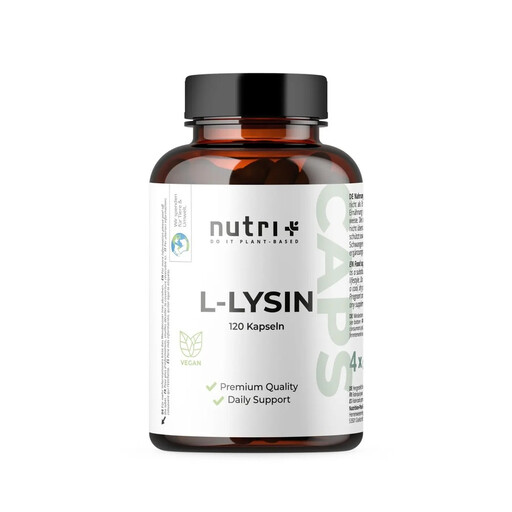
Why this product suits the profile: These capsules offer a clearly defined single amino acid for buyers who value a straightforward formula and easy daily intake. According to the product information, four capsules provide 2200 mg of L-Lysine.
The formula is limited to L-Lysine Hydrochloride and a plant-based capsule shell. According to the product description, it contains no sweeteners, flavourings, colourings, preservatives or fillers.
Vegan capsule shell and a clear daily serving of four capsules; gluten-free and soya-free formula according to the product information.
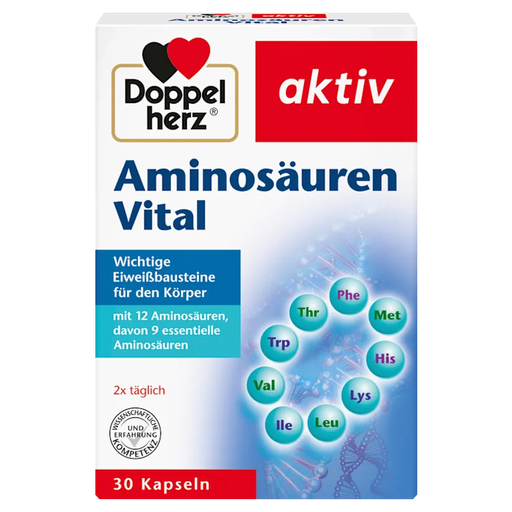
Why this product suits the profile: According to the product information, this amino acid complex contains twelve amino acids, including branched-chain amino acids, and is taken as two capsules daily with meals.
The individual amounts of the amino acids are listed in the product information. This makes it easier to assess the composition than with a complex that doesn’t provide a detailed breakdown.
Twelve amino acids, gluten-free and lactose-free labelling according to the product description, and storage at room temperature.
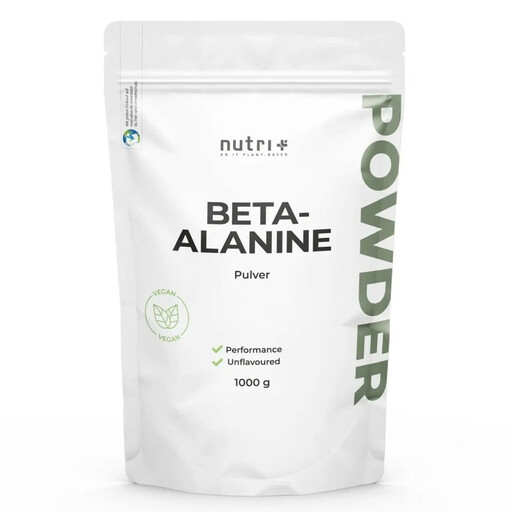
Why this product suits the profile: The 1000-gram pack is aimed at users who want to incorporate Beta-Alanine regularly into their training routine. According to the product information, one serving contains 2.5 g of pure Beta-Alanine.
According to the product description, the formula is free from flavourings and other additives. The serving is measured with a scoop and dissolved in 250 ml of liquid.
Vegan single amino acid, large pack size and clear serving information of 2.5 g; as a powder, it can be flexibly dosed.
We’ve put together a complete, regularly updated list of products that fully meet these strict selection criteria and the safety regulations in force in the EU.
Powders should be stored in a dry, cool place away from direct sunlight. The container must be sealed tightly after each use to prevent moisture from affecting the dosage and solubility. With capsules, pay attention to the stated daily serving and take them with plenty of fluid.
Individuals with impaired kidney function, a protein-restricted diet, existing medical conditions or regular medication should seek medical advice before use. Pregnant and breastfeeding women should also check with a healthcare professional before taking any food supplements. Children should not take such products without appropriate professional guidance.
That depends on your overall diet, training volume and the specific product. BCAA products and amino acid complexes are often purchased in connection with sport and recovery. However, adequate protein intake, energy supply, sleep and rest are crucial. A supplement should not replace these fundamentals.
Powder is suitable for larger amounts and can be stirred into water or other drinks. Capsules are travel-friendly and don’t require mixing. However, a high daily serving may mean taking several capsules. The more suitable form therefore depends on dosage, your daily routine and personal preference.
The best-before date on the packaging is definitive. After opening, powders should be stored in a dry, airtight container. A serving that has already been mixed should be consumed promptly and not kept for an extended period.