
Lieferung heute & morgen

Qualitätsgarantie

Willkommens-Angebote freischalten: KOSTENLOSE Lieferung | Bis zu 80 % RABATT | Kostenlose 30-Tage-JoyPlus-Testphase
App herunterladen
If you’re looking to buy amino acid supplements, you’ll find capsules, powders, BCAA blends and protein products with very different compositions. The product names often sound similar, but their actual use varies significantly. What really matters isn’t flashy marketing claims, but dosage, ingredient list, format and your personal diet.
BCAA powder typically contains the branched-chain amino acids leucine, isoleucine and valine. A product with multiple amino acids, on the other hand, covers a broader spectrum. If you’re specifically looking for a single product for daily intake, you should check whether it actually contains the amino acids you need.
When choosing amino acids for muscle building or amino acids for recovery, you should also consider your total protein intake. A powder doesn’t replace a balanced diet and isn’t automatically more beneficial than a protein-rich food.
A kilogram of powder may look attractive at first glance. However, what really matters is the price per serving and the actual recommended daily amount. With products that have small individual servings, a large tub can stay open for a long time. Moisture, heat and direct sunlight can make handling and storage more difficult.
Flavourings, sweeteners, colourings or anti-caking agents are present depending on the product. Even a supposedly neutral protein product can contain milk derivatives, soya or possible traces of other allergens. If you’re looking for vegan amino acids, you should check the ingredients list and the labelling on the packaging, rather than relying solely on product images or the name.
Pay attention to the amount per serving, not just the total pack contents. With a BCAA product, the ratio of leucine, isoleucine and valine is important. With a single amino acid such as L-Glutamine Powder, Beta-Alanine Powder, L-Arginine Powder or Glycine Powder, it should be clearly stated how many grams of that substance a serving provides.
Examples from product information:
These details make comparison easier and prevent a low individual ingredient amount from being masked by a large total quantity.
Capsules are quick to take and don’t require any mixing. This can be convenient for professionals or travellers. Powder, on the other hand, can be flexibly mixed into water or a shake. With pre-workout amino acids, you should also check for caffeine and the recommended timing of intake.
The product Optimum Nutrition Essential Amino Energy contains, according to the product information, 5 g of amino acids and 100 mg of caffeine per serving. For people sensitive to caffeine, pregnant women or those with certain health conditions, this composition is not suitable without prior consultation.
Casein protein is derived from milk and is therefore not vegan. A casein product can be of interest to people who prefer a slow-digesting protein source between meals or in the evening. However, it is not suitable for those with a milk allergy or a vegan diet.
Also check:
The following selection organises products by typical everyday situations. The quantity and ingredient details correspond to the respective product information; the current packaging labelling is always definitive.
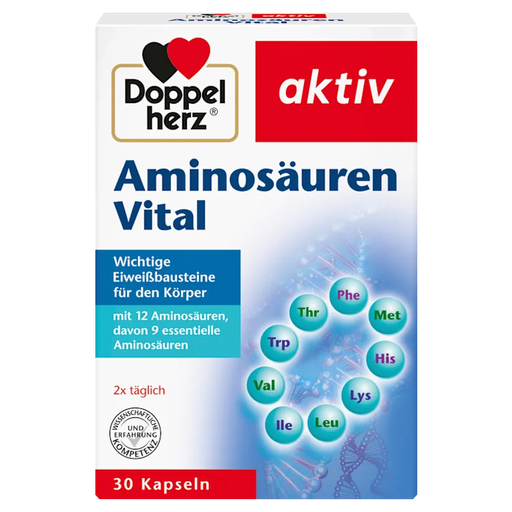
Why this product suits the profile: The capsule format is suitable for people who don’t want to weigh out powders or dissolve them in drinks. According to the product information, two capsules are recommended daily with a meal.
The portioning is clearly stated and the composition with 12 amino acids is traceable on the label. Gluten and lactose free are indicated according to the product information.
Compact 30-capsule pack, easy to take and detailed amino acid breakdown.
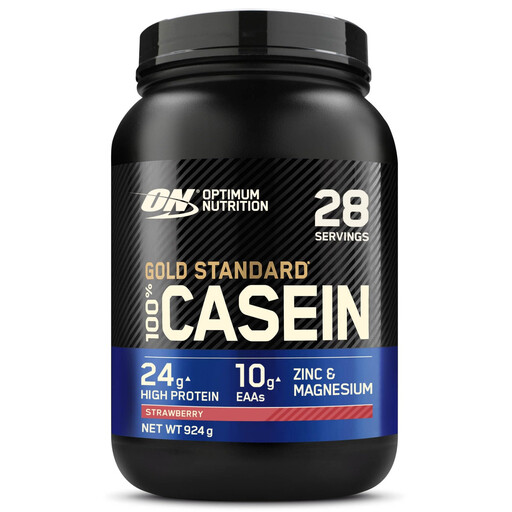
Why this product suits the profile: Casein protein is an option for adults looking for a portioned protein source for the evening or between meals.
The serving of 24 g of protein and the recommended amount of 32 g of powder are specifically stated. The milk content is clearly indicated.
Micellar casein, 24 g of protein per serving and resealable container.
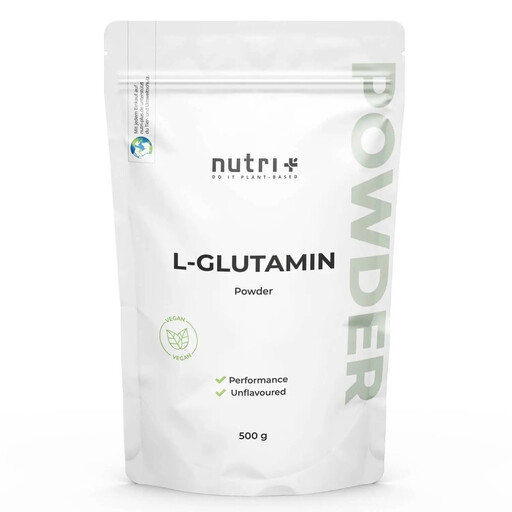
Why this product suits the profile: The powder is aimed at users who want to dose a single amino acid precisely and stir it regularly into water or other drinks.
The composition is focused on fermented L-glutamine and, according to the product information, contains no flavourings or unnecessary additives.
500 g pack, vegan recipe and clearly stated serving of 10 g.
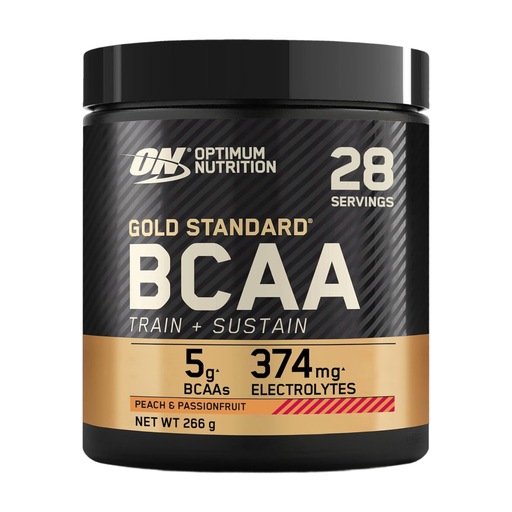
Why this product suits the profile: The BCAA powder is intended for use during training and combines amino acids with electrolytes and other additions.
The label states both the BCAA amount of 5 g and the 2:1:1 ratio. The recommended daily serving is clearly limited to one intake.
Powder form, 28 servings and 374 mg of electrolytes per serving according to product information.
We’ve put together a complete, regularly updated list of products that fully meet these strict selection criteria and the safety regulations in force in the EU.
Stick to the dosage on the label and don’t combine several products with the same amino acids without checking the total amount. Food supplements are not a substitute for a varied and balanced diet.
Powder should be stored in a dry, cool place away from direct sunlight. Once mixed, the drink should be consumed promptly. If you have impaired kidney function, are on a protein-reduced diet, are pregnant, breastfeeding or taking regular medication, it’s advisable to consult a doctor.
The best-before date and packaging instructions are what matter. After opening, the powder should be stored dry and tightly sealed. Moisture can cause clumping. If there’s an unusual smell, a change in appearance or damaged packaging, it should no longer be used.
That depends on your goal and the rest of your diet. BCAA powder focuses on three branched-chain amino acids. A complete complex contains several amino acids. If you already get enough protein, you should first compare the composition, portioning and your specific needs.
Calculate the price per daily serving: pack price divided by the number of recommended servings. Also consider the scoop, serving size and any additional products. This allows you to compare capsules, single powders, BCAA and casein protein more objectively.