
Lieferung heute & morgen

Qualitätsgarantie

Willkommens-Angebote freischalten: KOSTENLOSE Lieferung | Bis zu 80 % RABATT | Kostenlose 30-Tage-JoyPlus-Testphase
App herunterladen
Anyone looking to buy amino acid supplements will quickly find a wide selection: beta-alanine powder, L-arginine powder, BCAA powder, L-glutamine powder and individual amino acids in capsule and tablet form. For athletes and health-conscious adults, however, the product size or a striking marketing slogan is not the only deciding factor. Dosage, ingredients, format and suitability for your intended use are what really matter.
As a Joybuy Product Recommendation Officer, I filter market information according to clear, verifiable criteria. The aim is to create a selection that suits your training routine, diet and preferred way of taking supplements.
A price per kilogram can only be assessed properly when the serving size and active ingredient content per serving are known. A product containing 1,000 g may be used up more quickly than a smaller pack with a more concentrated dosage if the daily serving is larger. So compare the price per recommended daily serving, rather than just the pack price.
Blended products combine several amino acids. The key question is whether the ingredients list states the quantity of each individual component. For example, a BCAA powder should specify the ratio of L-leucine, L-isoleucine and L-valine. With an amino acid supplement containing caffeine, vitamins or plant extracts, these additional ingredients should also be taken into account.
Powders can be dosed flexibly and mixed into water or other drinks. Capsules are convenient when you are out and about, but depending on the daily amount, you may need to take several capsules. Tablets are also pre-portioned, but they are not always the best choice for people who have difficulty swallowing. Choose a format that fits your actual day-to-day routine.
Check the amount of the relevant active ingredient per serving. Examples from the product selection include:
These figures are product specifications and not general dosage recommendations. Follow the instructions on the relevant packaging and do not exceed the stated daily dose.
If you are looking for vegan amino acids, do not rely on the product name alone. Check the complete ingredients list. Fermented products or products labelled as vegan may be suitable for a plant-based diet. With capsules, the shell is also relevant: hydroxypropyl methylcellulose is often used for plant-based capsules, while gelatine is animal-derived.
For blended products, look out for potential allergens such as soya, milk, gluten, eggs, peanuts or nuts. For example, Optimum Nutrition Essential Amino Energy lists soya as an ingredient; depending on the variant, additional may-contain warnings may apply.
According to the manufacturers’ information, some products are intended to be taken before, during or after training. Others can be incorporated into your daily routine independently of your workout. Also check for additional ingredients:
Food supplements are not a substitute for a balanced and varied diet. If you have a medical condition, are pregnant or breastfeeding, have reduced kidney function or take medication regularly, seek medical advice before use.
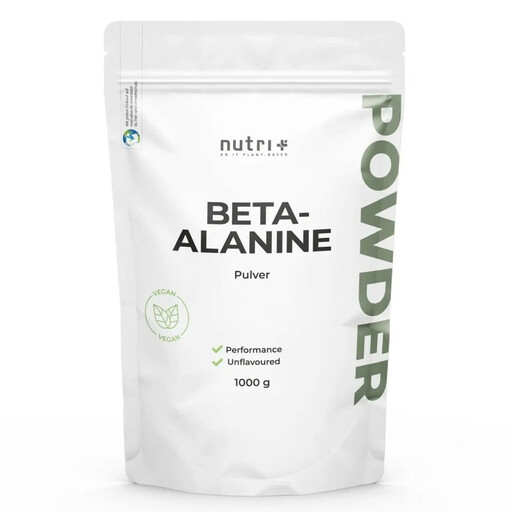
Why this product suits this profile: The vegan powder contains one clearly stated ingredient and comes in a large pack, making it suitable for people who want to incorporate beta-alanine into their training routine regularly.
The product information states 100% beta-alanine, with no flavourings or unnecessary additives, as well as 2.5 g per serving.
Vegan-labelled, 1,000 g contents and easy preparation with liquid.
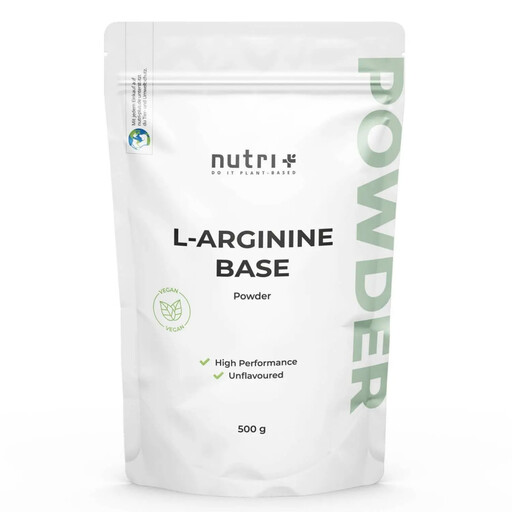
Why this product suits this profile: For buyers who prefer a single amino acid with a clearly stated serving amount, this powder is easy to measure and, according to the product information, fermentation-based.
The product page states 5 g of L-arginine per daily serving, clearly distinguishing the formula from an unclear blend.
Unflavoured powder, 500 g contents and dosing with a measuring scoop.
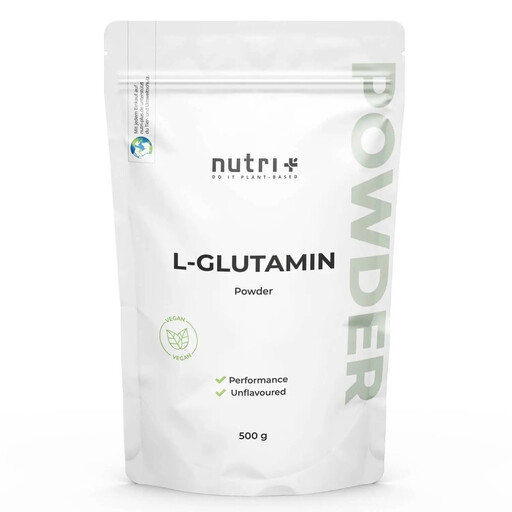
Why this product suits this profile: Frequent users can mix the 500 g pack into water or other drinks and, according to the product information, plan to take it before or after training.
The ingredients list states fermented L-glutamine with a purity level of over 99.9%, according to the product description.
10 g per recommended serving, vegan-labelled and with no added flavourings.
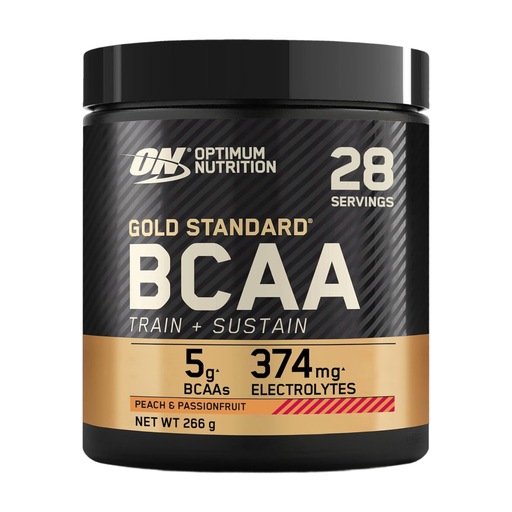
Why this product suits this profile: This flavoured BCAA powder is intended for people who prefer a ready-portioned drink during their workout.
The product information states 5 g of BCAA in a 2:1:1 ratio, with a serving of approximately 9.5 g.
266 g contents, 28 servings and additional electrolytes according to the product description.
For specific requirements, L-arginine capsules, L-citrulline capsules, L-lysine capsules or L-tryptophan tablets may be more suitable than powders. Capsules are convenient when you are on the go, while tablets provide a fixed serving. If you are looking for a broader blend, consider an amino acid complex product. Always compare the individual quantities, number of capsules, allergens and usage instructions.
We have put together a complete, regularly updated list of products that fully meet these strict selection criteria and the safety regulations applicable in the EU.
The best-before date is shown on the packaging. After opening, powders should be stored in a dry, cool place, kept tightly sealed and protected from direct sunlight. Always use the measuring scoop provided and keep moisture out of the container.
A balanced diet can generally provide all the amino acids you need. A supplement can be particularly practical when you want to add a specific amino acid in a defined amount. Your choice should reflect your diet, training volume and individual requirements.
For larger daily amounts, powder is often easier to compare by gram. Capsules, on the other hand, offer a pre-portioned, travel-friendly format, but may require several capsules per day. The key factors are the price per daily serving and the actual amount of active ingredient provided.