
Lieferung heute & morgen

Qualitätsgarantie

Willkommens-Angebote freischalten: KOSTENLOSE Lieferung | Bis zu 80 % RABATT | Kostenlose 30-Tage-JoyPlus-Testphase
App herunterladen
Amino acid supplements are of interest to many athletes when they want to specifically complement their daily diet. The range includes BCAA powder, amino acid powder, amino acid capsules and individual products such as L-arginine capsules or L-glutamine powder. However, choosing the right product is not simply a matter of flavour or brand recognition.
The key factors are the dosage per serving, the composition and the recommended intake. Anyone who focuses only on terms such as “Recovery”, “Performance” or “Pre-Workout” may overlook important differences.
A tub containing 300 g of powder may initially appear to offer good value. However, what matters is how many grams of amino acids each serving contains and how many servings are actually included. A product with 28 servings should therefore not be compared directly with one containing 30 servings without taking serving size into account.
An amino acid complex may contain several ingredients, such as BCAAs, L-glutamine, L-arginine, beta-alanine or L-tyrosine. This is not necessarily a disadvantage, but it does make it harder to assess the quantity of each individual ingredient. If you have a specific requirement, a single-ingredient product such as L-glutamine powder, L-arginine powder or L-lysine capsules may be easier to evaluate.
Some pre-workout amino acid products also contain caffeine. According to the product information, Optimum Nutrition Essential Amino Energy contains 100 mg of caffeine per serving. This should be included in your personal daily caffeine intake. Anyone sensitive to caffeine, pregnant or breastfeeding women, and people with medical conditions or who regularly take medication should seek medical advice before use.
BCAA products contain a blend of L-leucine, L-isoleucine and L-valine. The 2:1:1 ratio is a commonly used indication. According to the product description, Optimum Nutrition Gold Standard BCAA Train + Sustain Raspberry Pomegranate provides 5 g of BCAAs per serving in a 2:1:1 ratio.
However, the ratio alone does not tell you whether a product is suitable for your personal diet. You should also check:
Amino acid powder can be mixed into water or, in some cases, other drinks. This can be practical during training, but it requires a scoop and a suitable container. Amino acid capsules are easier to dose when you are out and about, although larger daily quantities may require several capsules.
According to the product information, nutri+ L-Arginine Capsules 360 are recommended at 8 capsules daily, providing a total of 6,000 mg of L-arginine. When choosing a product, you should therefore consider not only the number of capsules in the pack, but also the daily intake.
Food supplements should not be used as a substitute for a balanced and varied diet. Do not exceed the recommended intake stated on the label. Check for allergens and possible cross-contamination warnings. According to the product information, Essential Amino Energy Fruit Fusion contains soya and may contain traces of milk, gluten, egg, nuts and peanuts.
If you have impaired kidney function, follow a protein-reduced diet, are pregnant or breastfeeding, or have an existing medical condition, it is advisable to consult a doctor. These products are foods, not medicines. Statements about supporting normal bodily functions should not be equated with a medical or therapeutic effect.
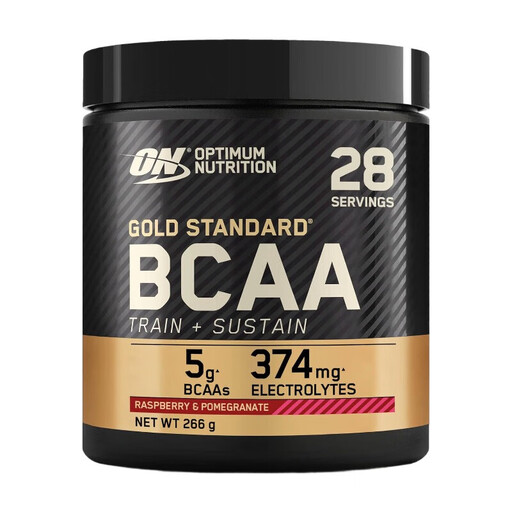
Why this product suits this profile: The powder provides a clearly stated BCAA quantity of 5 g per serving and is designed to be taken during training.
The number of servings, the 2:1:1 BCAA ratio and preparation with 350 ml of water are all clearly stated.
266 g of product, 28 servings, plus clearly stated electrolytes, magnesium, vitamin C and zinc.
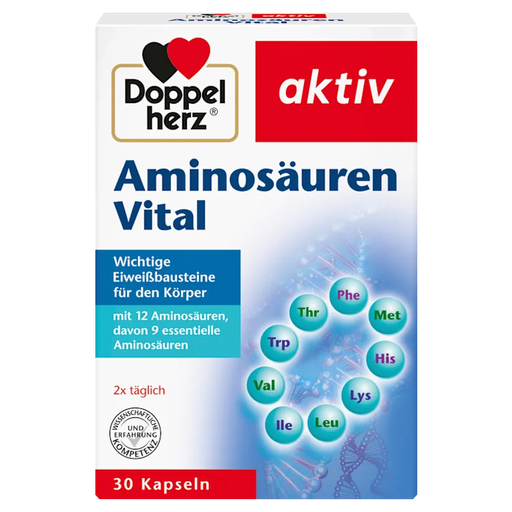
Why this product suits this profile: The complex is aimed at adults who prefer several amino acids in capsule form with a fixed daily serving.
The ingredients list names 12 amino acids and gives the quantities per serving and per 100 g.
Capsule format, a recommended intake of 2 capsules daily with a meal, and gluten- and lactose-free labelling according to the product information.
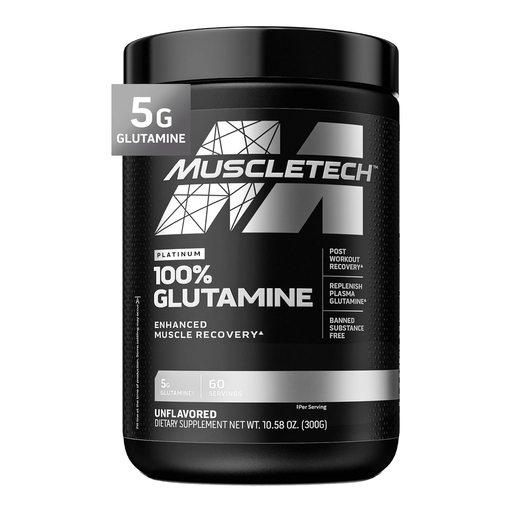
Why this product suits this profile: According to the product description, the flavourless and odourless L-glutamine powder can be mixed with water or other drinks.
The single-ingredient formula makes it easier to compare with blended products; 5 g of L-glutamine is stated per serving.
300 g of product, a non-stimulant formula and, according to the supplier, an easily dissolvable neutral powder.
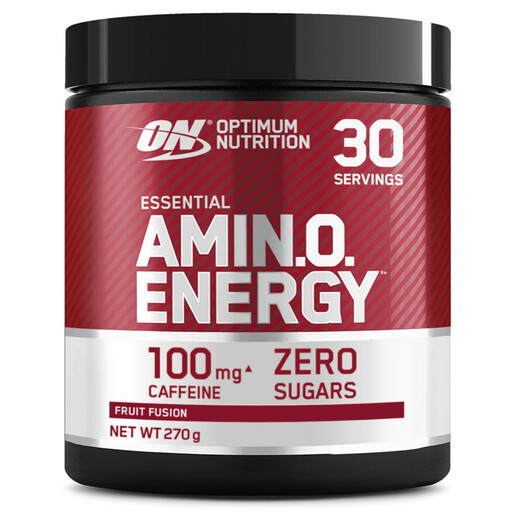
Why this product suits this profile: According to the label, the blend combines 5 g of amino acids per serving with 100 mg of caffeine and is designed to be taken before, during or after training.
The caffeine content is stated per serving, making it easier to factor the product into your daily caffeine intake.
270 g of product, 30 servings, labelled as sugar- and fat-free, plus BCAAs, L-glutamine, L-arginine and beta-alanine in the blend.
We have put together a complete, regularly updated list of products that fully meet these strict selection criteria and the safety regulations applicable in the EU.
Follow the dosage instructions on the product packaging. Powder is usually dissolved in water; for example, Optimum Nutrition’s BCAA powder is mixed with two scoops of cold water. Capsules should be taken with plenty of fluid.
A simple formula is all you need to calculate the cost:
Pack price ÷ number of servings = cost per serving
For capsules, you should also check how many capsules make up one serving. Store the products in a dry, cool place away from direct sunlight. Moisture can cause powder to clump. Once opened, the container should be sealed tightly again. The best-before date on the packaging is the relevant date.
Amino acids are obtained from protein-containing foods. Whether a food supplement is worthwhile depends on your diet, training volume and personal goals. It is not a substitute for a balanced diet. If you are unsure, individual advice from a healthcare professional or qualified nutritionist may be helpful.
It depends on how you plan to use it. Powder is suitable for people who want to take larger quantities in a drink. Capsules are easier to carry and have a neutral taste, but higher doses require several capsules. The quantity of active ingredients, daily serving and ingredients list remain the deciding factors.
The best-before date is shown on the packaging. Unopened products should be stored according to the stated storage instructions. Once opened, it is important to keep them in a dry place, in a tightly sealed container and protected from heat and light. Prepared drinks should be consumed promptly and not stored for extended periods.