Learning in noisy environments
If conversations or steady background noise drown out quieter words, look for effective noise isolation that lets you follow the course at your usual volume.


If background noise drowns out quieter parts of a course, choose ANC headphones based on fit and clarity with your own course material, rather than relying on a noise-cancelling claim alone. For speaking exercises, check whether the headphones automatically detect your voice: on the Sony WH-1000XM6, Speak-to-Chat can pause playback when it detects speech, and Sony says you can adjust the settings.
If conversations or steady background noise drown out quieter words, look for effective noise isolation that lets you follow the course at your usual volume.
If you repeat answers out loud, automatic voice detection shouldn’t interrupt playback unexpectedly.
For longer study sessions, a comfortable fit and battery life that suits your needs are important.
| What matters | What to check when buying | Who is it important to? |
|---|---|---|
| Quieter course passages | Test a quiet passage from the original recording at your usual volume and in the place where you plan to study. Compare the fit and ANC mode. | If I want to understand every word despite background conversations, I check how well the headphones block out noise rather than simply turning the volume up. Around 36% of consumers prioritise this. |
| Uninterrupted speaking practice | Test whether playback pauses when you speak your answers out loud, and whether voice detection can be switched off on the specific model. | My lesson shouldn’t pause automatically when I repeat answers out loud. Around 29% of consumers prioritise uninterrupted speaking practice. |
| Comfort and battery life | Assess the fit during a typical study session. Compare battery life only under similar operating conditions. | For a longer study session, I need a comfortable fit and battery life that suits my needs. Around 21% of consumers prioritise comfort and battery life. |
| Compact design | For in-ear headphones, check the fit and the available ear tip sizes. If possible, compare how well they handle quieter course passages with over-ear headphones, too. | If I study in different places, a more compact design matters to me, as long as the ear tips are comfortable and stay securely in place. Around 14% of consumers prioritise this. |
Your voice may trigger automatic detection when you repeat an answer, interrupting playback.
Repeat a practice answer out loud and check whether you can adjust or switch off the feature in the settings for that particular model.
Battery life can vary depending on the operating mode. For example, Bose quotes up to 30 hours for the QuietComfort Ultra Headphones (2nd Gen), or 23 hours with 360-degree sound. These manufacturer figures are based on different conditions.
Compare battery life only when the figures for ANC and sound modes are clear and, ideally, based on similar conditions.
Fit affects how well headphones block out noise. ANC won’t automatically make a quiet course recording easier to understand, and it’s no reason to keep turning up the volume.
Try the fit with your course material and keep the volume moderate. The WHO recommends well-fitting noise-cancelling headphones to help prevent background noise from prompting you to turn the volume up.
The WH-1000XM6 over-ear headphones and WF-1000XM6 in-ear headphones offer ANC in two different designs for you to compare.
The QuietComfort Ultra Headphones (2nd Gen) are closed-back ANC over-ear headphones suited to longer, mostly stationary study sessions.
The MOMENTUM 4 Wireless are over-ear headphones with adaptive ANC and a transparency mode.
The Tour ONE M3 are over-ear headphones with adaptive noise cancelling.
The LIFE HX-1 Pro are closed-back ANC over-ear headphones with EQ settings.
The products below include ANC in-ear and over-ear headphones for quieter course passages, studying in different places and longer study sessions.
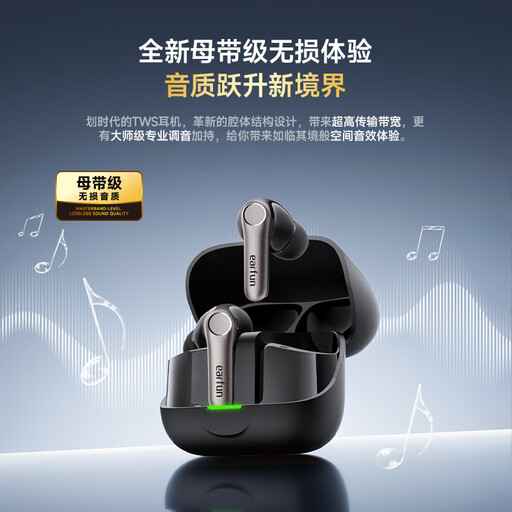 No image available
The in-ear design may suit studying in different places, provided the ear tips feel comfortable and stay securely in place.
Adaptive hybrid ANC and five sizes of ear tips are listed. According to the product details, battery life is up to 12 hours without ANC, or up to 54 hours with the charging case, also with ANC switched off.
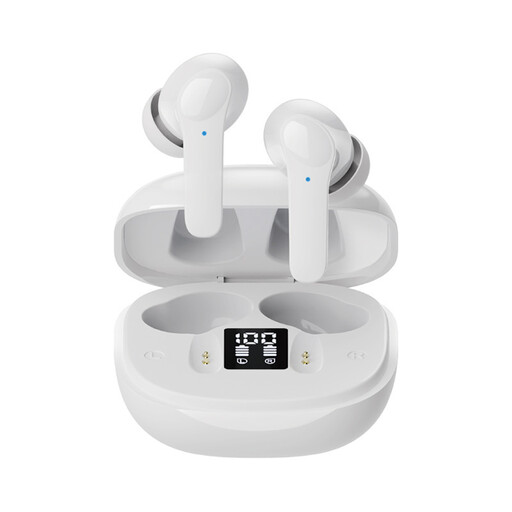 No image available
These wireless ANC in-ear headphones may suit shorter lessons or listening on the go, if the battery life meets your needs.
Bluetooth 5.3 and touch controls are listed. According to the product details, the earbuds offer up to 4 hours of battery life, or up to 15 hours with the charging case.
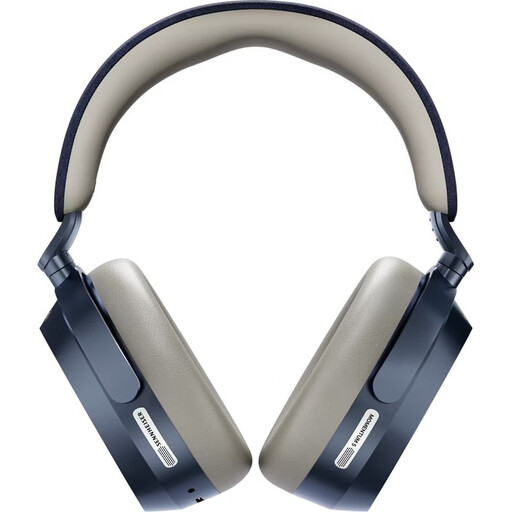 No image available
The over-ear design may suit longer study sessions, provided the headband and ear cups feel comfortable.
ANC and a transparency mode are listed. According to the product details, battery life is up to 57 hours with ANC switched on.
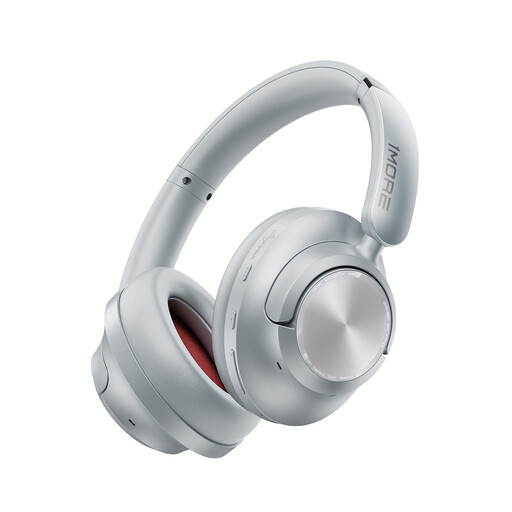 No image available
The over-ear design may work well for longer study sessions, provided the ear cushions and fit feel comfortable.
Hybrid ANC and a transparency mode are listed. According to the product details, battery life is up to 65 hours with ANC switched on.
 No image available
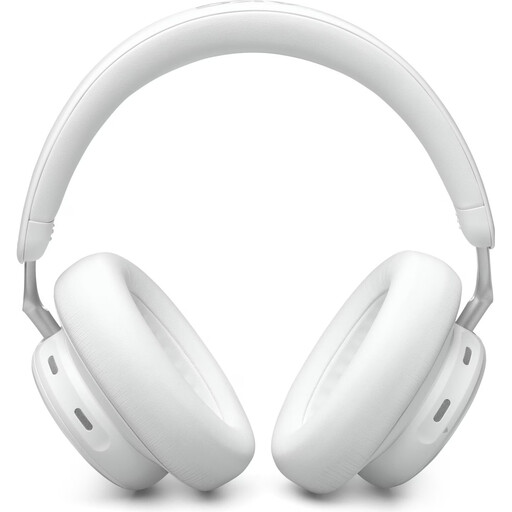
These closed-back over-ear headphones may suit longer sessions, provided the fit and clamping force feel comfortable.
ANC, Bluetooth multipoint and rotating ear cups are listed. According to the product details, battery life is 55 hours.
ANC reduces background noise, but it won’t automatically improve the recording itself. Try a quiet passage from the original recording at a moderate volume and compare the fit and ANC mode. If needed, check the volume settings in your course app, too.
On the Sony WH-1000XM6, Speak-to-Chat can pause playback when you speak. Sony says you can adjust its sensitivity or switch the feature off. For other models, check the relevant instructions.
Keep the volume low and take breaks. The WHO recommends well-fitting noise-cancelling headphones to help prevent background noise from prompting you to turn the volume up. This doesn’t guarantee a safe volume for everyone.
When you buy online from a business in Germany, you generally have a 14-day right to cancel. Exceptions may apply, and you must notify the seller that you wish to cancel, as explained by the Verbraucherzentrale. For faulty goods bought from a seller in the EU, EU consumer rules generally provide a minimum legal guarantee of two years, which you can claim from the seller.
Under § 23(1) of the German Road Traffic Regulations (StVO), anyone driving a vehicle in Germany must ensure that their hearing isn’t impaired by devices. This isn’t a blanket ban on all headphones, but it isn’t blanket permission to use ANC in traffic either. If you can’t reliably hear warning signals, don’t use headphones while driving.