
Lieferung heute & morgen

Qualitätsgarantie
App herunterladen
Kategorien
The ability to selectively reduce ambient noise is a core feature of modern audio devices. ANC (Active Noise Cancelling) headphones use a technology based on the principle of anti-noise. Microphones on the headphones capture external sound waves, an internal processor generates an out-of-phase signal, and thus neutralises the noise before it reaches the wearer's ear. These headphones with active noise cancellation are specifically designed for use in loud environments such as open-plan offices, public transport, or aeroplanes. The focus of this article is on the objective analysis of technical parameters relevant for making an informed purchasing decision.
Selecting a suitable model is based on a balance of specific technical features. The following criteria provide a basis for comparison.
The effectiveness of the noise reduction depends on the implemented ANC architecture:
The supported Bluetooth codecs are crucial for high-quality audio transmission. SBC (Subband Codec) is the universal standard but offers only basic quality. AAC (Advanced Audio Coding) is frequently used by Apple devices and delivers improved sound fidelity. For Hi-Fi headphones, support for codecs like LDAC is relevant, as it enables higher data rates (up to 990 kbps) and thus allows for more detailed, near-lossless playback, especially on Android devices.
Operating time is a critical factor, particularly for on-the-go use. Manufacturer specifications often refer to playback time with and without ANC activated. A battery life of over 20 hours with ANC enabled is considered a solid benchmark. Modern devices increasingly rely on the USB-C port, which ensures faster charging speeds and universal compatibility with other devices.
A current Bluetooth standard like Bluetooth 5.3 provides a stable, energy-efficient connection and supports features like multipoint pairing (the simultaneous connection to two devices). For the comfort of over-ear headphones (wireless), the weight, the materials of the ear cups (e.g., memory foam), and the adjustability of the headband are decisive. A breathable design prevents excessive heat build-up during long-term use.
The following models have been selected based on their technical specifications and feature sets.
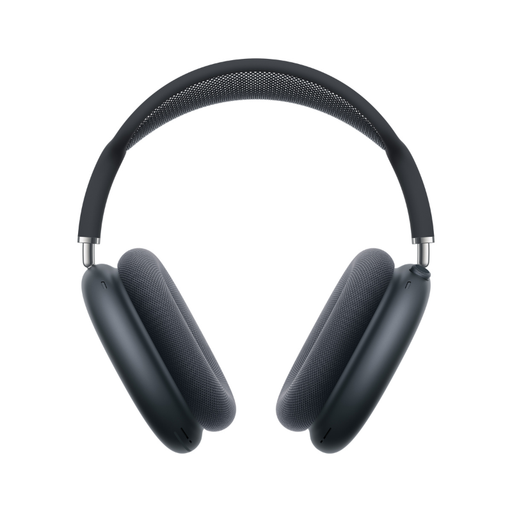
Why we recommend this product: The AirPods Max 2 integrate the H2 chip, which enables computationally intensive features like Adaptive Audio and Conversation Awareness. Adaptive Audio dynamically adjusts the noise cancellation to the environment. The Live Translation feature, powered by Apple Intelligence, represents a practical benefit for international travellers. The USB-C connection also allows for lossless audio and unifies the charging port within the Apple ecosystem.
Pros:
Who it's for: Users within the Apple ecosystem who value deep software integration, advanced audio features, and a seamless user experience.
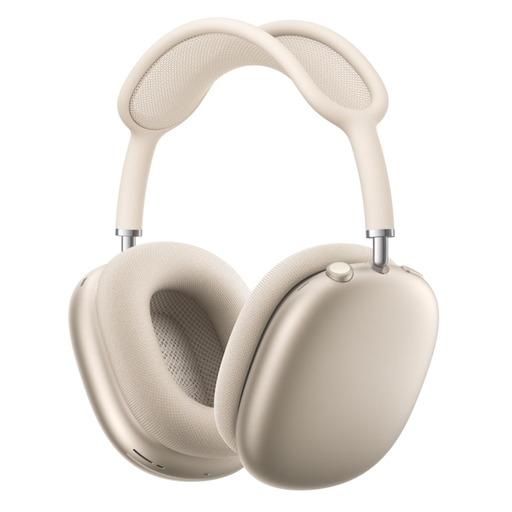
Why we recommend this product: This model combines the established design of the AirPods Max with the modern USB-C port. At its heart is Computational Audio, enabled by the H1 chip, which performs optimised real-time sound processing. The combination of active noise cancellation and a high-quality Transparency mode makes the headphones versatile.
Pros:
Who it's for: Users looking for premium headphones with proven performance who are already invested in the Apple ecosystem. The USB-C port is a plus for users transitioning their devices to this standard.
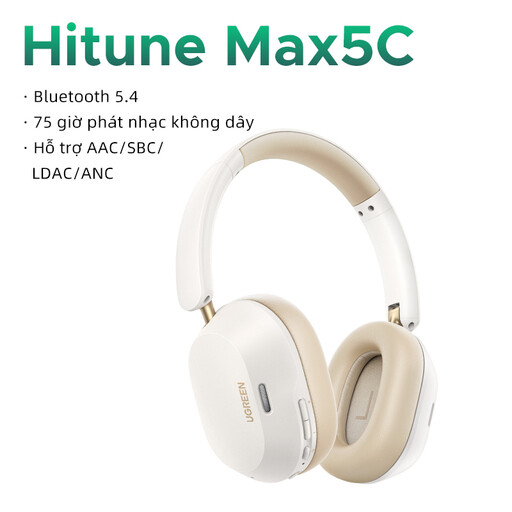
Why we recommend this product: The UGREEN HiTune Max5c stands out for its exceptional battery life and support for the LDAC codec. With up to 75 hours of playback (ANC off) and 45 hours (ANC on), it is ideal for long journeys or multi-day use without recharging. Support for LDAC makes it an interesting option for Android users who value high-resolution audio.
Pros:
Who it's for: Users for whom maximum battery life is the highest priority. Especially for Android users who can benefit from LDAC support and are looking for a technically solid alternative at an accessible price point.
The models presented represent a selection from the current market. If you wish to compare other Bluetooth over-ear headphones or specific designs, you can find a more comprehensive overview in our Max Headphones category.
1. What is the difference between ANC and passive noise isolation? Passive noise isolation is achieved through the physical design of the headphones, such as tight-sealing ear cups. It primarily blocks high frequencies. Active Noise Cancellation (ANC) is an electronic technology that uses anti-noise to specifically neutralise low and mid-range frequencies (e.g., engine noise, air conditioning).
2. Does noise cancelling work without music? Yes, the ANC function is independent of audio playback. You can also wear the headphones solely to reduce ambient noise, creating a quieter environment for focused work or travel.
3. Which audio codec is important for ANC headphones? For good sound quality, at least AAC is recommended, as it offers better performance than the standard SBC codec. For users who play high-resolution music files and have a compatible Android device, support for LDAC is a key advantage, as this codec enables near-lossless transmission quality.