Learners dealing with voices in the recording
You want to understand the target language in a dialogue that’s already mixed. Trying the course itself is more informative than relying on a general promise about ANC.


ANC can reduce conversations in the room, but it won’t automatically separate voices that are already mixed together in the course recording. So try a difficult section with the course material you’ll actually be using, and also check the fit, connection and whether you can hear your surroundings when needed.
You want to understand the target language in a dialogue that’s already mixed. Trying the course itself is more informative than relying on a general promise about ANC.
Other people talk in the room while you’re having your lesson. You want to reduce distractions but still be able to hear people when needed.
You wear headphones for extended periods, so you need to weigh up comfort, battery life and the connection to your course device.
First, work out whether the second voice is part of the course recording or coming from the room. Then consider the fit, connection to your playback device and whether any extra features will actually be useful.
A good choice if: conversations in the room are distracting and over-ear cushions feel comfortable during longer lessons.
Consider: ANC reduces external noise, but it won’t dampen every voice equally. You’ll also need to check battery life and fit.
A good choice if: you need something compact and can find ear tips that stay comfortable during a longer lesson.
Consider: Transparency mode lets external sounds reach your ears, including conversations that may distract you.
A good choice if: you study in a quiet room or mainly need to understand a voice that’s already part of the recording.
Consider: a cable needs a compatible socket; without effective noise isolation, background noise may be more distracting.
| What matters | What to check before buying | Who it matters most to |
|---|---|---|
| Voices in the recording | Listen to the same difficult part of the course with each pair of headphones you’re considering, at a comfortable volume. | If I can already hear the second voice in the course file, I want to test that exact section rather than rely on ANC. That’s why around 31% of consumers put the clarity of the recording first. |
| Conversations in the room | Check the fit and seal; try ANC and ambient mode in a setting where people are talking. | If conversations in the room distract me during a lesson, I want to reduce them but still be able to hear people when needed. That’s why around 25% of consumers prioritise how headphones handle conversations around them. |
| Long study sessions | Judge the fit over the amount of time you’d normally wear them, and only compare battery-life figures for the operating mode specified. | If I’m listening for a long time, my headphones need to feel comfortable and shouldn’t make me turn up the volume to overcome background noise. That’s why around 19% of consumers pay particular attention to long listening sessions. |
| Connection to your course device | Check the available socket, the Bluetooth connection you want and whether you may need to switch between devices. | If I play my course on a particular device, the headphones need to connect to it properly. That’s why around 13% of consumers put device compatibility first. |
| Whether the features are worth it | Test the course recording and your listening environment first, then decide whether you need ANC, ambient mode or an audio cable. | If my budget is limited, I only want to pay for features that address my particular listening problem. That’s why around 12% of consumers prioritise the purchase price. |
ANC processes external noise. It won’t automatically separate voices that are already mixed together in the course file.
Before you buy, compare a difficult section using your own course material.
This mode lets external sounds through, so you may also hear the conversations that distract you while studying.
Try ANC and Transparency mode separately: use ANC for focused listening and Transparency mode when you need to stay alert to people around you.
Battery life can vary depending on the mode you use. Information about microphones for phone calls doesn’t show that voices in a course recording will be separated.
Check the conditions given for the battery-life figure, and give more weight to trying the headphones with your own course.
An unclear description of the design can mean the fit and feel are different from what you expect.
Check the exact model number and design against the manufacturer’s information. Getting it wrong could mean extra hassle with returns or exchanges.
The WH-1000XM6 is a closed-back over-ear headphone with ANC, ambient mode, a cable connection and multipoint.
According to the manufacturer, the MOMENTUM 4 Wireless offers adaptive ANC and Transparency mode for changing listening situations.
The second-generation QuietComfort Ultra Headphones are over-ear and, according to Bose, offer adjustable ANC.
JBL describes the Tune 780NC as over-ear and the Tune 680NC as on-ear. Both models have adaptive ANC and Smart Ambient, according to the manufacturer.
AirPods Pro are an in-ear option, with ANC and Transparency mode for different listening situations.
This selection includes wireless in-ear and over-ear headphones with ANC for reducing conversations in the room. If voices are already part of the course recording, none of these features can replace trying the headphones with your own course.
 No image available
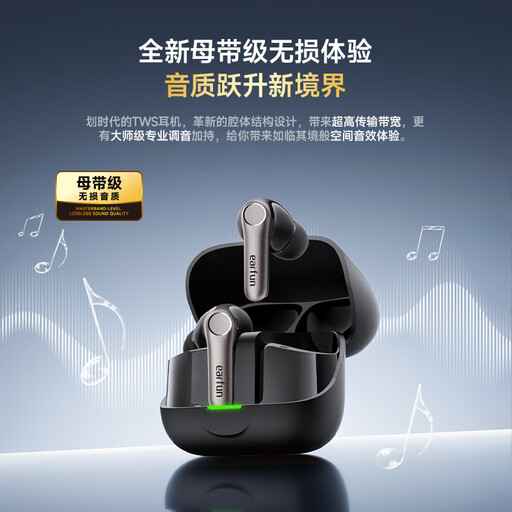
These in-ear headphones are worth considering if you want ANC in a compact design and can find ear tips that fit comfortably.
Listed features include Bluetooth 6.0, multipoint and app EQ. The total playtime is stated as up to 54 hours with the charging case. ANC won’t separate voices that are already part of the course recording.
 No image available
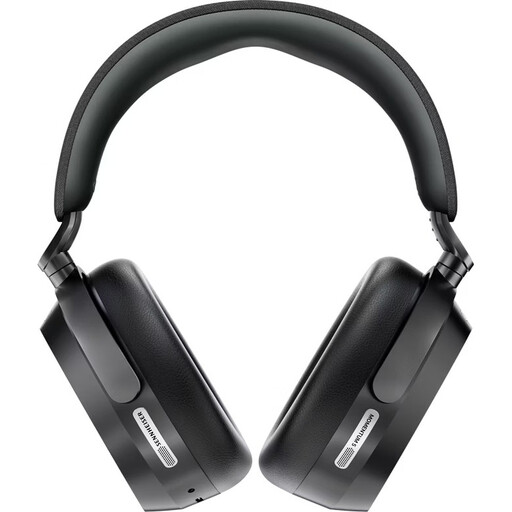
The closed-back over-ear design is an option if conversations in the room are distracting and you’d like to hear your surroundings at times.
ANC and Transparency mode are listed features. Other specifications include Bluetooth 5.4, a 3.5 mm cable connection and up to 57 hours of battery life. Transparency mode may also let distracting conversations through.
 No image available
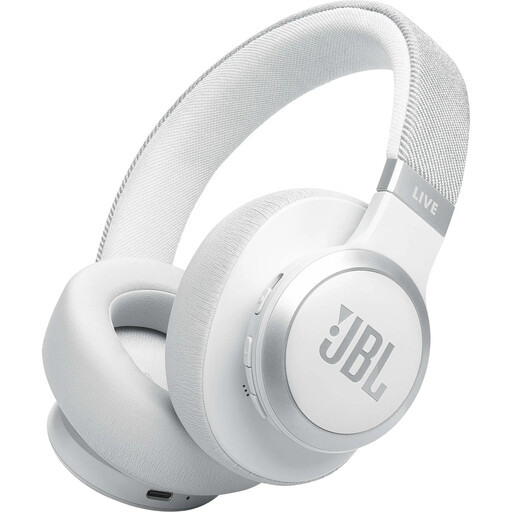
These over-ear headphones are worth considering if you want to reduce conversations in the room but still hear your surroundings when needed.
Adaptive ANC and Smart Ambient are listed features. Other specifications include Bluetooth 5.3, multipoint, a detachable audio cable and up to 50 hours of playback with ANC. Smart Ambient lets outside conversations through too.
 No image available
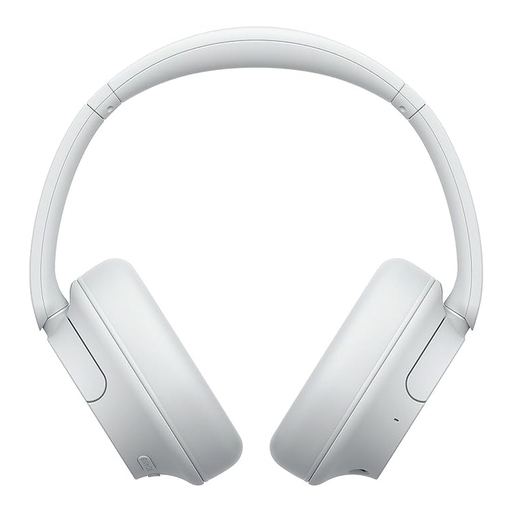
The over-ear design with noise cancelling may suit you if you study in a shared room and want to hear your surroundings at times.
Bluetooth, a 3.5 mm audio connection and multipoint are listed features. The product information gives up to 35 hours of battery life with ANC, as well as a weight of 192 g. Ambient Sound Mode lets outside sounds through.
 No image available
These in-ear headphones are a compact option if you want ANC and a switchable ambient mode for different listening situations.
Bluetooth 6.1 and an adjustable 9-band equaliser are listed features. The product information gives up to 30 hours of total playback with the charging case. Ambient mode lets distracting outside conversations through too.
No. Standard ANC processes external noise; it won’t automatically separate voices that are already playing together. Try a difficult section with your own course material. Conversations in the room may not be completely suppressed either.
First, check the fit and use ANC if outside conversations are distracting. If you need to hear other people, you can switch to Transparency mode, although this will also make distracting conversations audible again. Try the controls on the specific model you’re considering.
The World Health Organization recommends well-fitting headphones and, where appropriate, noise cancelling to help reduce the volume needed in noisy situations. It also recommends taking breaks and monitoring your listening exposure. Its guideline of 80 dB for up to 40 hours per week is not a product specification or a blanket recommendation for every listener.
If a product is faulty, the seller is generally responsible for the statutory consumer guarantee; a voluntary manufacturer’s guarantee does not replace it. For typical online purchases from businesses, you generally have a 14-day right to cancel from the date of delivery, subject to applicable exceptions. The EU’s consumer rights information also sets out a minimum two-year guarantee. Check the applicable terms in advance, including who pays for return postage.
Under Section 23(1) of the German Road Traffic Regulations (StVO), drivers are responsible for ensuring that their hearing is not impaired by devices. This is not a blanket ban on all headphones: among other things, what matters is whether using them affects your hearing for the task of driving. The use of electronic devices is also covered by Section 23(1a) of the StVO.