Choir listeners on longer train journeys
You want to follow voices and quieter passages at a comfortable volume, and need a fit that stays comfortable for extended listening.


For longer choral pieces, comfortable-fitting ANC over-ear headphones are worth considering. If travelling light matters more, well-sealing ANC in-ear headphones may be a better fit. The key is to keep voices clear at a moderate volume and be able to pause quickly or switch to ambient mode for announcements. The WHO recommends well-fitting ANC headphones so you don’t have to turn the volume up as much in noisy surroundings.
You want to follow voices and quieter passages at a comfortable volume, and need a fit that stays comfortable for extended listening.
You switch between music and the sounds around you on the train, and want to be able to pause playback or change to ambient mode quickly for announcements.
You’re weighing up a compact in-ear case against battery life per charge and whether the ear tips fit comfortably and seal well.
A good fit if: You listen to longer choral works and the ear cushions and headband stay comfortable for the length of your usual journey.
The trade-off: Over-ear headphones take up more space in your luggage, and comfort can’t be reliably judged from technical specifications. A SoundGuys writer found the ear cups on the Sony WH-1000XM6 too shallow for them – that’s a personal experience.
A good fit if: Compact storage and being able to pack them away quickly matter more to you than a headband, and you can find ear tips that fit.
The trade-off: Fit affects how well they block out noise. Apple’s claim of up to eight hours with ANC applies to a single charge of the AirPods Pro 3, not to continuous listening for the additional battery life provided by the charging case.
| What matters | What to check when buying | Who is this especially important for? |
|---|---|---|
| Choral voices and quieter passages | Listen to a familiar recording at a moderate volume with ANC on and off; compare EQ settings using the same recording. | If I want to follow quieter voices clearly, I want to judge the sound with a recording I know, rather than simply turning the volume up. Around 29% of consumers are likely to consider sound and voice reproduction their main buying priority. |
| Train noise without turning the volume up unnecessarily | Check the fit and how well they block out noise in a typical noisy situation, and keep the volume low. | If I want to hear less train noise, I need headphones that fit well so I don’t turn the volume up to overcome the noise around me. Around 23% of consumers are likely to prioritise blocking out travel noise. |
| Comfort and battery life | Try them on with your own glasses and in your usual listening position; check battery life for the mode you’ll actually use. | For long listening sessions, I want to avoid pressure points interrupting my music, and need battery life that suits my journey. Around 18% of consumers are likely to put a comfortable fit and battery life first. |
| Announcements and talking to people | Try pausing playback and switching to ambient mode before your journey; remove your headphones when you need to hear important information. | If I change trains often, I want to be able to respond to announcements and railway staff without having to search for a setting first. Around 18% of consumers are likely to prioritise being able to hear what’s happening around them on the train quickly. |
| Size and charging needs | Check the carrying case, charging requirements and accessories included with the specific model. | If I travel light, I want to be able to pack the case and charging accessories easily while still finding ear tips that fit. Around 12% of consumers are likely to consider portability and charging needs their main buying priority. |
ANC and ambient mode are features you need to switch between; neither guarantees that every announcement will be clear. Follow instructions from railway staff on the train.
Before your journey, practise pausing playback and switching on ambient mode. Remove your headphones when you need to hear important information.
Manufacturers’ battery-life claims depend on the mode and test conditions. Bose claims up to 30 hours for the QuietComfort Ultra Headphones (2nd Gen), or up to 23 hours with 360-degree sound. soundcore claims up to 40 hours with ANC for the Space One Pro under certain test conditions.
Compare claims for the mode you actually plan to use, and allow for a suitable charging break or backup on longer journeys.
A SoundGuys writer said the ear cups on the Sony WH-1000XM6 were too shallow for them; this describes their fit, not how the headphones will fit everyone. The same goes for in-ear headphones: individual fit matters.
Try over-ear headphones with your glasses on, or test several suitable ear tip sizes with in-ear headphones. Check the returns policy before buying.
The WH-1000XM6 is a closed-back ANC over-ear headphone with Ambient Sound, Quick Attention, Multipoint and the option to use a wired connection. This may be relevant if you want to customise the sound and controls.
The QuietComfort Ultra Headphones (2nd Gen) are ANC over-ear headphones with an adjustable EQ. Try the ear cushions if you plan to wear them for extended periods.
The MOMENTUM 4 Wireless combines ANC with Transparency Mode and adjustable sound. It may be worth considering if you want to switch between blocking out noise and hearing what’s around you.
The AirPods Pro 3 are ANC in-ear headphones with Transparency mode and several sizes of silicone ear tips. Their compact design may suit light packing, provided the ear tips fit comfortably.
The Space One Pro is a foldable ANC over-ear headphone with EQ. It may suit you if you’re looking for foldable headphones and bear in mind the conditions behind the battery-life claim.
The product options below include ANC in-ear and over-ear headphones for train journeys with choral music. When choosing, pay particular attention to the fit, the sound profile you want and how easily you can switch to hearing what’s around you.
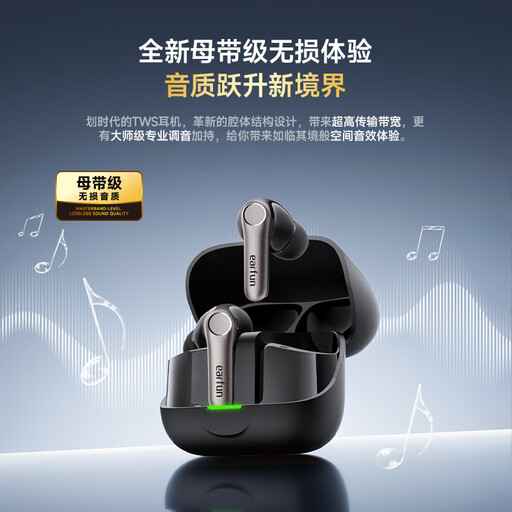 No image available
An in-ear option for train journeys if you want to check the fit and sound profile for yourself.
Product details list ANC, EQ settings in the EarFun app and five ear tip sizes, from XS to XL.
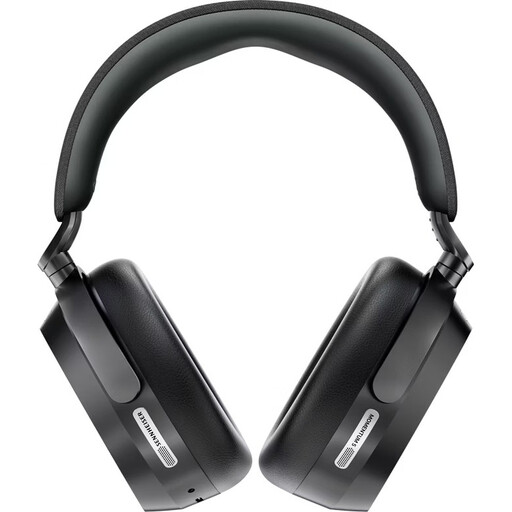 No image available
The over-ear design may suit longer listening sessions, provided the headband and ear cushions fit comfortably.
Product details list ANC, Transparency Mode, a closed-back design and up to 57 hours of playback with ANC.
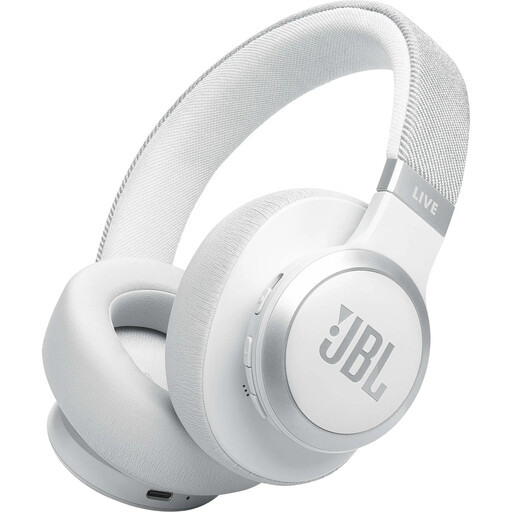 No image available
An over-ear option if you want to use ANC and switch to hearing what’s around you when needed.
Product details list ANC, Smart Ambient, TalkThru, personalisation through the JBL app and up to 50 hours of playback with ANC.
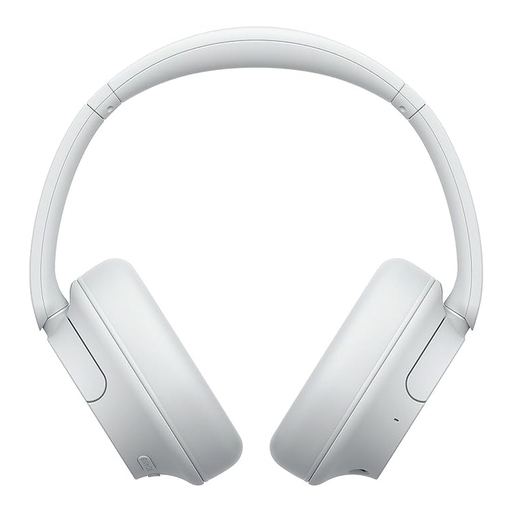 No image available
The over-ear design may suit you if you want ANC for listening to music and a Transparency mode for hearing surrounding sounds.
Product details list ANC and up to 20 hours of playback with ANC.
 No image available
An in-ear option if you want to adjust the sound and switch between ANC and ambient mode.
Product details list an adjustable 9-band equaliser and up to six hours of playback with ANC per charge of the earbuds.
No. The WHO recommends well-fitting noise-cancelling headphones so you don’t have to turn the volume up as much in noisy surroundings. Its guidance of 80 dB for up to 40 hours a week is a safe-listening recommendation; it doesn’t prove that a particular device setting produces exactly 80 dB.
Deutsche Bahn says that listening to loud music in the ICE quiet zone is expressly discouraged, including through headphones. Listen at a volume that won’t disturb others. This is the railway operator’s published guidance, not a general legal volume limit asserted here.
Pair them before you travel, check the fit and practise pausing playback and switching on ambient mode. According to the soundcore manufacturer’s German support team, LDAC on the Space One Pro is only available with Android and must be enabled in the app.
For online purchases of goods that are generally eligible for cancellation, the EU information portal Your Europe says you have 14 days from delivery to withdraw from the contract; exceptions apply. Separately, if goods are faulty, you have statutory rights against the seller, with a minimum two-year protection period. An additional manufacturer’s guarantee does not replace these rights.