Listening in busy rooms
You’re listening to archived voices while other people nearby are talking. The key is to reduce noise in the room without mistaking ANC for a way to clean up the recording.


Start with a well-fitting, closed-back pair of ANC headphones and test them with your recording in the place where you’ll actually be listening. ANC can reduce noise in the room, but it can’t bring back words already drowned out by other voices in the recording. A study in Trends in Hearing found that noise reduction did not objectively improve speech intelligibility. For longer listening sessions, comfort and moderate volume matter too. The WHO recommends well-fitting noise-cancelling headphones to reduce the temptation to turn up the volume in noisy environments.
You’re listening to archived voices while other people nearby are talking. The key is to reduce noise in the room without mistaking ANC for a way to clean up the recording.
You’re listening to lengthy interviews in one sitting, so comfort and moderate volume matter. The WHO recommends well-fitting noise-cancelling headphones to reduce the temptation to turn up the volume in noisy environments.
You switch between devices or places while listening, so you pay particular attention to the design, connection options and battery life.
A good fit if: You listen to longer recordings at home and want to reduce noise in the room.
Things to consider: The clamping force and ear cushions need to feel right for you. ANC can’t bring back words that have already been drowned out.
A good fit if: You value a compact design and a comfortable in-ear fit more than a headband.
Things to consider: The seal depends on how well they fit your ears. A study of ANC in-ear headphones used with underground train noise in the Journal of Audiology & Otology can’t be applied to family recordings with competing voices.
| Priority | What to check when buying | Who is this important to? |
|---|---|---|
| Blocking out conversations in the room | Compare the same recording with ANC switched on and off; try ambient mode if needed. | If I want to follow a quiet speaking voice while other people are talking in the same room, blocking out noise is my priority; around 36% of consumers say it’s their main concern. |
| Comfortable listening for long periods | Test the clamping force and fit during a longer listening session; don’t turn up the volume to make up for a poor seal. | When listening to a long interview, I want to be comfortable without having to use unnecessarily high volume; around 29% of consumers prioritise long-term comfort and volume control. |
| Portability and battery life | Match the design and charging needs to how long you plan to listen; compare battery-life claims only under similar operating conditions. | If I want to listen to recordings in different places, I need headphones that are easy to carry and have enough battery life; around 21% of consumers prioritise listening on the go. |
| Connections and features | Check whether Bluetooth or a cable works with your playback device, and decide in advance which features you’ll actually use. | If I want to keep using my existing audio source, I need a suitable connection without unnecessary extras; around 14% of consumers put connections and features first. |
Conversations recorded alongside the person speaking are a different problem from voices in the room while you’re playing the recording.
Before buying, listen to a difficult section of your recording and don’t expect ANC to restore words that are masked in it.
Higher volume is no substitute for a good fit or suitable noise isolation. The WHO points out that volume and listening time both contribute to the risk of hearing damage.
Check the fit, keep the volume moderate and take breaks during long listening sessions.
Manufacturers may give battery-life figures for different modes and test conditions.
Compare figures for the mode you actually plan to use, and check the conditions stated.
The information below applies to the ranges mentioned, not every product from each brand. Battery-life and feature information comes from the manufacturers.
The WH-1000XM6 are over-ear headphones with ANC, ambient mode, multipoint connectivity and an analogue input.
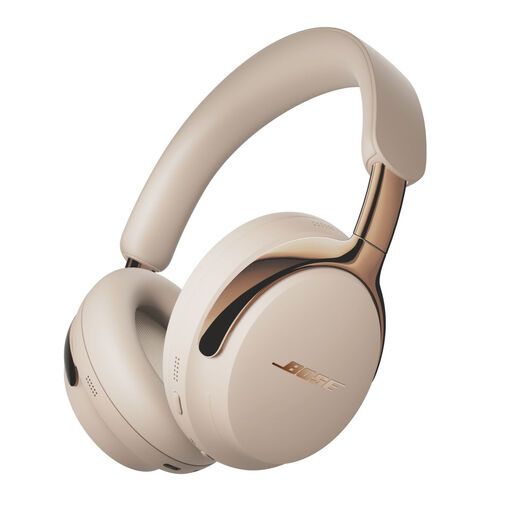
The 2nd Gen QuietComfort Ultra Headphones are over-ear and, according to Bose, offer adjustable ANC and app settings.
The MOMENTUM 4 Wireless and HDB 630 are closed-back ANC over-ear headphones. The HDB 630 includes USB-C audio, an analogue input and a Bluetooth dongle.
The Space One Pro are over-ear headphones with ANC and transparency mode.
This selection focuses on closed-back ANC over-ear headphones for listening to family recordings when other people are talking in the room.
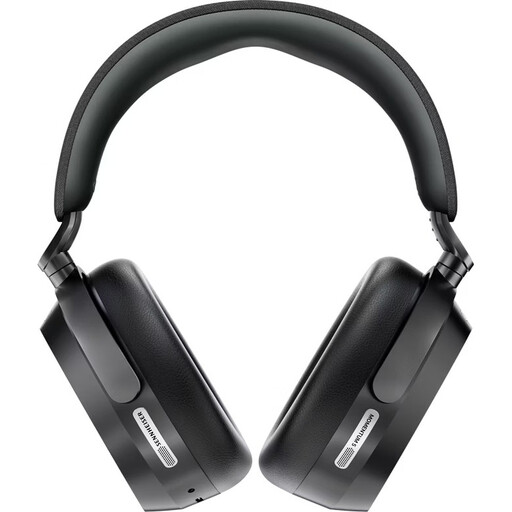 No image available
Classed as closed-back over-ear headphones with ANC for this listening situation; check the fit and noise isolation with your own recording.
Up to 57 hours of battery life; Bluetooth 5.4.
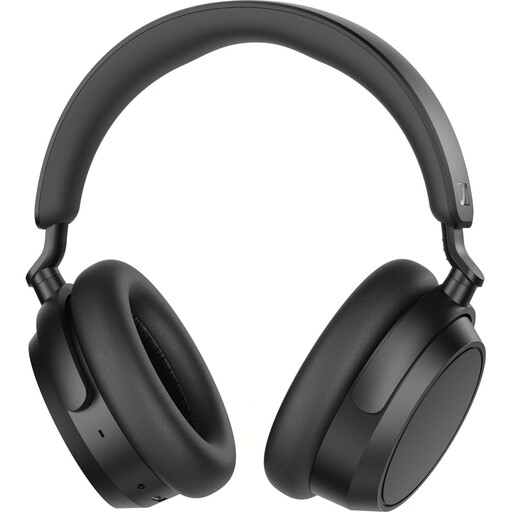 No image available
Classed as closed-back over-ear headphones with ANC for this listening situation; compare the noise isolation with your recording and check the fit.
Up to 50 hours of battery life; Bluetooth 5.2 with aptX; multipoint; detachable cable.
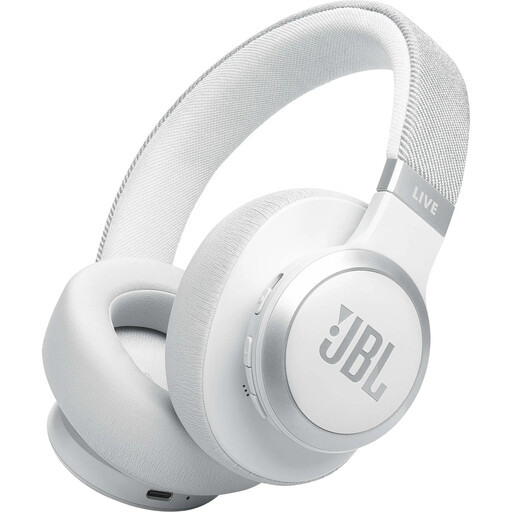 No image available
Wireless over-ear headphones with noise cancelling; test whether the fit and noise isolation work for your recording and the noise levels in the room.
With microphone.
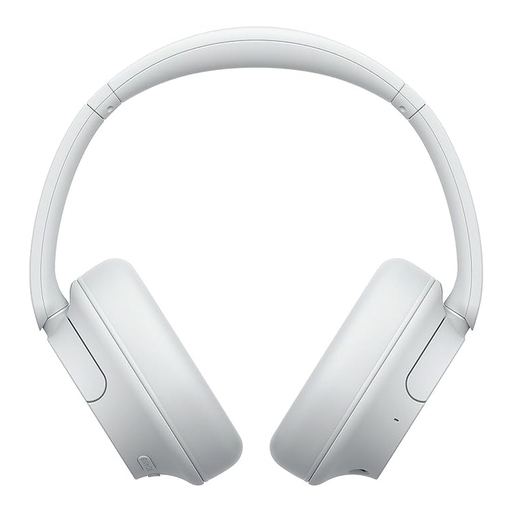 No image available
Over-ear headphones with noise cancelling to try out against conversations in the room; check the fit and playback using your own recording.
192 g; up to 35 hours of battery life; multipoint.
 No image available
Classed as closed-back over-ear headphones with ANC for this listening situation; you’ll need to test them with your own recording to judge whether it sounds clearer to you.
No. You can’t tell from an ANC claim: ANC primarily affects noise in your listening environment. A study in Trends in Hearing found no general objective improvement in speech intelligibility from noise reduction; it didn’t investigate family recordings or the headphone models mentioned here.
First, check the fit, play a familiar section and compare ANC with ambient mode. Keep the volume moderate and take listening breaks; the WHO identifies both volume and listening time as relevant to the risk.
For online purchases in Germany, consumers generally have a 14-day right of withdrawal from the date the contract is concluded or the ordered goods are received, according to Verbraucherzentrale (as at 13 August 2026). A withdrawal is different from making a claim about faulty goods. Check the terms and conditions for your specific purchase, and contact the seller if there’s a fault.
When monitoring radio equipment on the market, the Bundesnetzagentur checks, among other things, for CE marking, product identification, manufacturer details, instructions in German and a declaration of conformity. This is not a judgement of ANC quality or suitability for your recording.