Dialogue analysts
If you want to follow quiet words and changes of speaker, listen to your own recording before relying on a marketing claim. Sony points out that nearby voices may still be audible despite noise cancellation.


Choose headphones that let you understand the quiet parts of your own theatre recording at a comfortable volume, and that you can wear comfortably. ANC can reduce background noise, but it won’t necessarily make nearby voices disappear. The fit and connection to your playback device also need to be right. The WHO recommends well-fitting ANC headphones to reduce the need to turn up the volume in noisy environments.
If you want to follow quiet words and changes of speaker, listen to your own recording before relying on a marketing claim. Sony points out that nearby voices may still be audible despite noise cancellation.
If traffic, ventilation or conversations are distracting, ANC can help without simply having to turn up your recording. The WHO recommends well-fitting ANC headphones to reduce the need to turn up the volume in noisy environments.
For longer study sessions, comfort is key, whether that means the headband and ear cushions or the ear tips. Try the style you actually plan to wear for the full length of your usual listening session.
Start with a quiet and a loud passage from your recording. Then consider which background noises you want to block out, how long you’ll wear the headphones and whether they’re compatible with your audio source.
A good choice if: you listen to longer recordings at a desk and find the ear cushions and headband comfortable. Test quiet dialogue using your own recording.
Bear in mind: this style takes up more space, and ANC won’t necessarily make nearby voices disappear.
A good choice if: you want a compact design and the ear tips fit securely and comfortably. Compare the available tip sizes using the same quiet passage.
Bear in mind: fit and seal are crucial. The earbuds’ battery life is separate from the additional charges provided by the case.
| Priority | What to look for when buying | Who it matters most to |
|---|---|---|
| Understanding quiet dialogue | Try listening to a familiar quiet and loud passage; check whether sound controls are available. | If I want to understand quiet words at a comfortable volume, comparing the sound with my own recording is essential. Around 31 % of consumers put dialogue clarity first. |
| Reducing background noise | Test ANC against the noises in your study environment and check the fit. | If you study near traffic, ventilation or conversations, you’ll want fewer distractions without automatically listening at a higher volume. Around 25 % of consumers prioritise protection from background noise. |
| Comfort during long sessions | Assess the fit of your preferred style; if you’re choosing in-ear headphones, compare the tip sizes. | If I’m working on longer recordings, I want to wear my headphones comfortably throughout a typical study session. Around 19 % of consumers prioritise long-term comfort. |
| Connection to your audio source | Check the inputs on the specific model and the outputs on your playback device; a USB charging port doesn’t confirm that USB audio is supported. | If you listen to your recording on your existing phone, tablet or computer, you’ll need a compatible connection. Around 13 % of consumers prioritise compatibility with their audio source. |
| Features and how long you plan to use them | Compare what’s included, battery life with ANC switched on and any potential follow-on costs; distinguish optional warranties from your statutory rights. | If I want to use my headphones for a long time, I consider the features I need and any potential follow-on costs. Around 12 % of consumers prioritise cost and durability. |
Voices around you can still be distracting, particularly alongside quiet dialogue. Sony explains that nearby conversations may still be audible despite noise cancellation.
Try listening to your recording with the kinds of background noise you typically encounter, and assess ANC alongside the fit.
Loud passages and your overall listening time matter too. The WHO notes that volume and listening duration both contribute to sound exposure.
Start at a comfortable volume. Check the fit and, if available, the equaliser rather than assuming you’ll need to listen at a high volume.
Manufacturers’ battery-life claims apply to specific operating conditions. The SMART-Tx transmitter isn’t included with every version of the JBL Tour ONE M3, and a USB port alone doesn’t confirm that it has the audio input you need.
Compare the operating conditions, connections and what’s included with the specific version, and check they match your audio source.
Depending on your source and the version you choose, you may need additional connection accessories. Before buying, check that the connection you need is included.
Statutory rights relating to faulty goods are generally against the seller; a manufacturer’s warranty is a separate, voluntary benefit.
Make a note of who you’re buying from, and read the terms of any voluntary warranty separately from your statutory rights.
The WH-1000XM6 and WH-CH720N ANC over-ear headphones belong to different model ranges. Check the features of the specific model.
The QuietComfort Ultra Headphones (2nd Gen) are over-ear headphones, while the QuietComfort Ultra Earbuds (2nd Gen) have an in-ear design.
The MOMENTUM 4 Wireless and MOMENTUM 5 Wireless are different generations of the range.
The Tour ONE M3 is an ANC over-ear headphone available in different versions.
The LIFE HX-1 Pro is an ANC over-ear headphone with equaliser presets and replaceable ear cushions.
The Px7 S3 is an ANC over-ear headphone with a five-band equaliser.
This selection includes ANC over-ear and in-ear headphones for study environments with background noise. Check the fit and connection are right for your audio source.
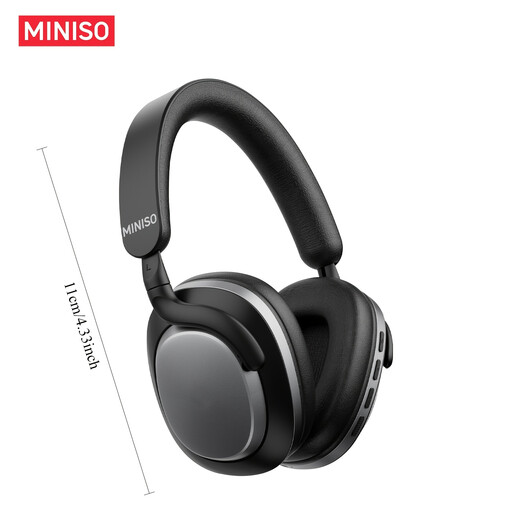 No image available
The over-ear design with noise cancelling is an option for study environments with background noise; it doesn’t guarantee clearer quiet dialogue.
Wireless; quoted battery life: 24 hours.
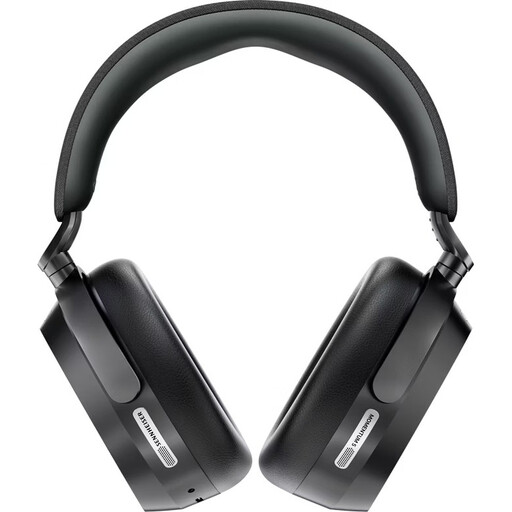 No image available
These closed-back ANC over-ear headphones are worth considering if you want to compare longer listening sessions and wired or wireless connections.
Bluetooth 5.4; 3.5 mm audio cable included; quoted battery life: up to 57 hours.
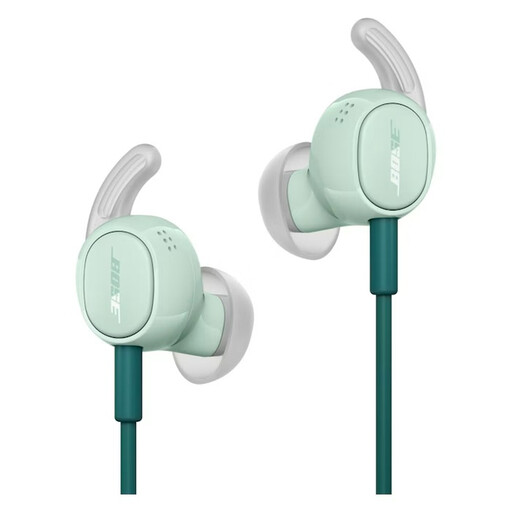 No image available
These wired in-ear headphones are an option if your audio source has a compatible USB-C audio connection.
USB-C connection; ear tips in three sizes and stability wings in two sizes. No Bluetooth pairing or battery required.
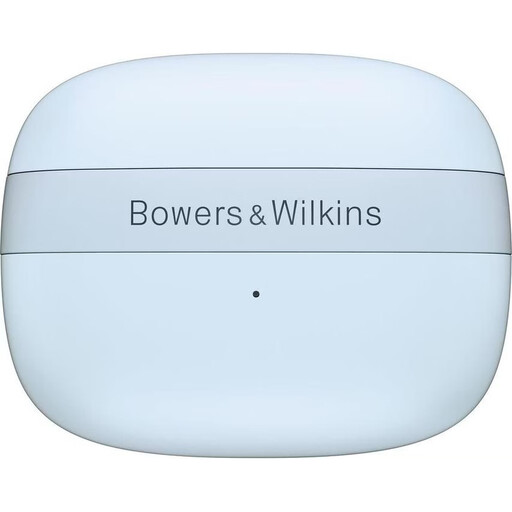 No image available
These compact ANC in-ear headphones are worth considering if you want to try different ear tip sizes for a personalised fit.
Bluetooth 5.4 with multipoint; four interchangeable ear tip sizes; quoted battery life: up to 8 hours.
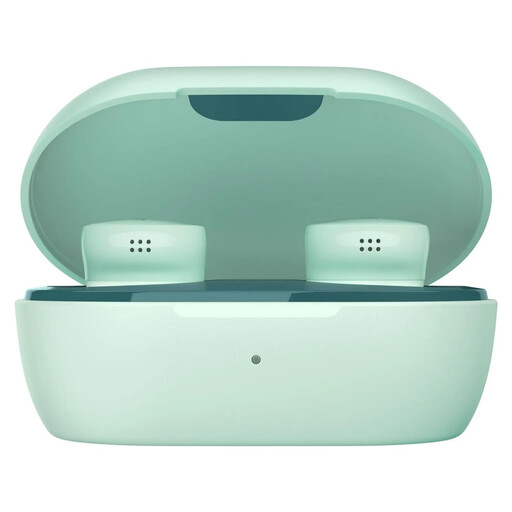 No image available
These wireless in-ear headphones are an option if you want to adjust ANC settings and compare different ear tips for fit.
Bluetooth 5.3 with multipoint; EQ adjustment via the app; ear tips and stability bands in sizes S, M and L.
ANC doesn’t block out all sound. Sony explains that nearby voices may still be audible. So test the noise cancellation and fit in the environment where you usually study.
Not necessarily. First check the fit, background noise and, if available, the sound settings. The WHO recommends well-fitting ANC headphones so you need to turn the volume up less in noisy environments, and notes that both volume and listening duration matter.
Compare your computer’s outputs with the inputs on the specific headphones. According to Sony, the WH-1000XM6 has a 3.5 mm input; the JBL Tour ONE M3 only comes with a SMART-Tx transmitter in certain versions. Choose a connection once you’ve checked your playback device.
Check the fit and consult the information for your exact model. Medion describes the LIFE HX-1 Pro ear cushions as replaceable; Bose lists three ear tip sizes for the QuietComfort Ultra Earbuds (2nd Gen). Check care advice and replacement parts for your specific model.
For eligible distance purchases from a trader, you generally have a 14-day right to cancel, starting from the day you receive the goods. You may have to pay the return postage if you were informed of this before buying. For faulty goods, you generally have statutory rights against the seller for at least two years; these are separate from any voluntary manufacturer’s warranty. This information is based on the European Union’s Your Europe guidance.
Check the details of the specific listing rather than assuming a product complies based on its model name. The Bundesnetzagentur lists CE marking and product and manufacturer details among the points it checks during market surveillance.