Listeners of quiet lectures
If you want to follow spoken content at a moderate volume despite the rumble of a train, pay particular attention to fit and ANC. TÜV SÜD highlights a snug fit as an important factor in blocking out noise.


When the rumble of a train drowns out quiet museum lectures, well-fitting ANC headphones are a sensible place to start. According to TÜV SÜD, noise cancellation is particularly effective against low-frequency sounds such as train rumble. Choose over-ear headphones if comfort over longer listening sessions matters more to you and you have room in your luggage; compact in-ear headphones are better suited to travelling light, provided the eartips fit snugly and comfortably. Test speech recordings at a moderate volume, and check how quickly you can pause playback to hear announcements.
If you want to follow spoken content at a moderate volume despite the rumble of a train, pay particular attention to fit and ANC. TÜV SÜD highlights a snug fit as an important factor in blocking out noise.
If you listen to several lectures back to back, check that the design and ear cushions remain comfortable throughout your planned listening time, and that the battery life suits your journey.
If saving space is a priority, compact in-ear headphones with a charging case could be a good fit. Compare how they feel in your ears with the feel of over-ear headphones that enclose them.
A good fit if: You listen to longer lectures and have room in your luggage for larger headphones.
Consider: Depending on the fit, the headband and ear cushions may cause pressure or warmth. If possible, try the headphones on with your glasses.
A good fit if: You prefer to travel light and can find eartips that fit comfortably and create a good seal.
Consider: In-ear fit is a personal thing; an uncomfortable or loose fit can make longer listening sessions difficult.
For quiet speech recordings on the train, ANC is only part of the picture: fit, awareness of your surroundings and a connection that works for your journey all matter too.
| What matters | What to check when buying | Who is it important to? |
|---|---|---|
| Understanding quiet speech | Test the fit and ANC with a speech recording, and keep the volume moderate. | If I want to understand quiet parts of a lecture despite the rumble of a train, I check the fit with speech rather than music alone. Around 28% of consumers put speech intelligibility first. |
| Comfort over longer periods | If possible, try over-ear cushions and the headband, or a range of in-ear tips, for a longer period. | If you listen to several lectures in a row, you’ll want to avoid pressure points or an uncomfortable fit. Around 22% of consumers prioritise comfort during longer listening sessions. |
| Hearing announcements | Check whether ambient mode and pause controls are easy to access. | If I need to pay attention to announcements during my journey, I want to be able to pause playback quickly. Around 17% of consumers prioritise awareness of their surroundings. |
| Battery life and connection | Compare battery life figures only for the same operating mode; check the Bluetooth or wired connection with your own device. | On longer journeys, I want to listen to lectures without worrying about the connection or needing to recharge along the way. Around 17% of consumers prioritise battery life and connectivity. |
| Features you need | Think about which features you need for speech recordings, rather than automatically opting for music and spatial audio features. | If I mainly listen to lectures, I want to choose features I’ll actually use for that. Around 16% of consumers prioritise having the right set of features. |
According to TÜV SÜD, ANC is particularly effective against low-frequency sounds such as train rumble. Fit and the recording itself also affect how clearly you can hear a lecture.
Test headphones with speech, not just music, and don’t turn the volume up simply to drown out the train noise.
Noise-isolating headphones can make you less aware of your surroundings.
Try the pause function and ambient mode before you travel, and pause playback when you want to hear important information.
Manufacturers may quote different maximum battery life figures with noise cancellation switched on and off.
Compare figures for the same usage, particularly with ANC switched on.
JBL notes that some versions are sold without SMART Tx.
If you need the transmitter for a particular audio source, check what’s included with the specific version.
The WH-1000XM6 is an over-ear option with ANC, ambient mode, multipoint connectivity and, according to Sony, a cable connection that can also be used passively.
The 2nd Generation QuietComfort Ultra Headphones offer Quiet and Aware modes.
The MOMENTUM 5 Wireless is an over-ear option with a transparency mode.
The Tour ONE M3 is an ANC over-ear model; versions with SMART Tx are designed for specific audio sources.
This selection includes ANC in-ear and over-ear headphones for train journeys. For listening to lectures, pay particular attention to fit, controls and the quoted battery life.
 No image available
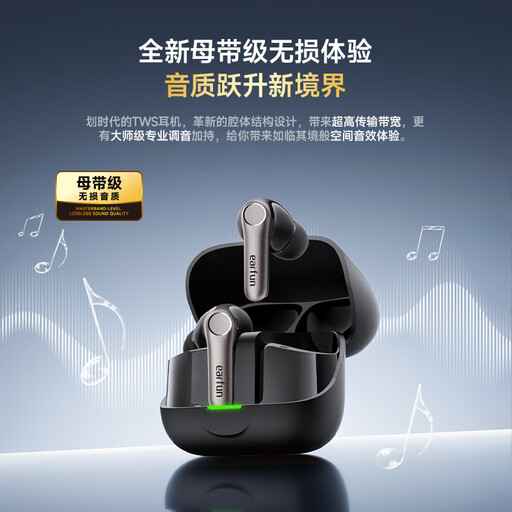
The in-ear design is a good option if you want to save space when travelling; check that the eartips fit snugly and comfortably.
Features listed in the product title: Bluetooth 6.0, aptX Lossless, LDAC and up to 54 hours of playback time.
 No image available
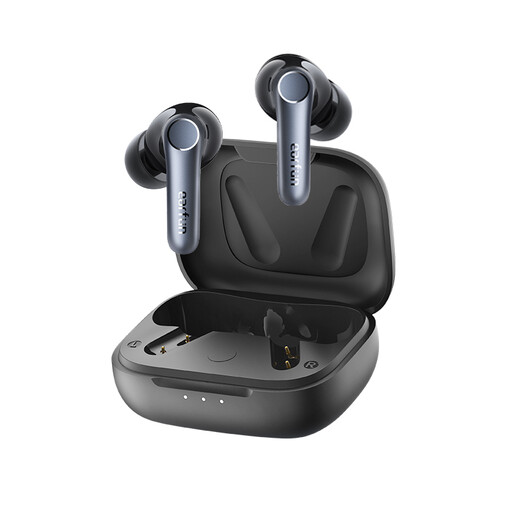
These true wireless in-ear headphones are well suited to travelling light, provided they feel comfortable in your ears.
Features listed in the product title: Bluetooth 5.4, LDAC, aptX Lossless and up to 52 hours of playback time.
 No image available
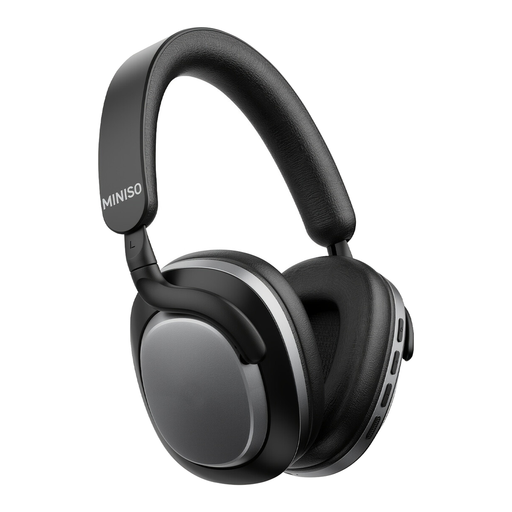
The over-ear design could be a good choice if you prefer longer listening sessions and find the fit comfortable.
Battery life listed in the product title: 24 hours.
 No image available
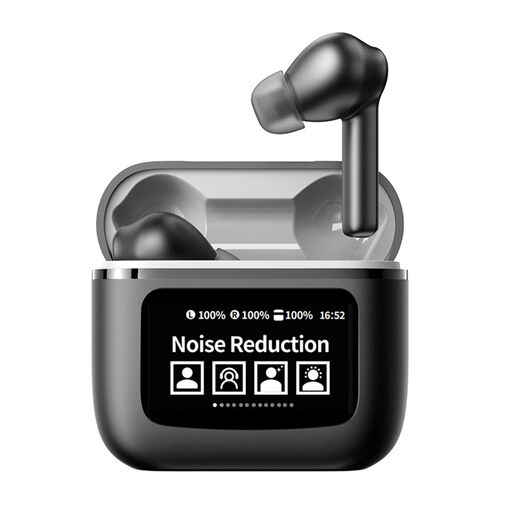
The TWS design is a compact option; check whether controlling the headphones through the charging case suits the way you travel.
Features listed in the product title: Active Noise Cancellation, Bluetooth 5.4 and IPX5.
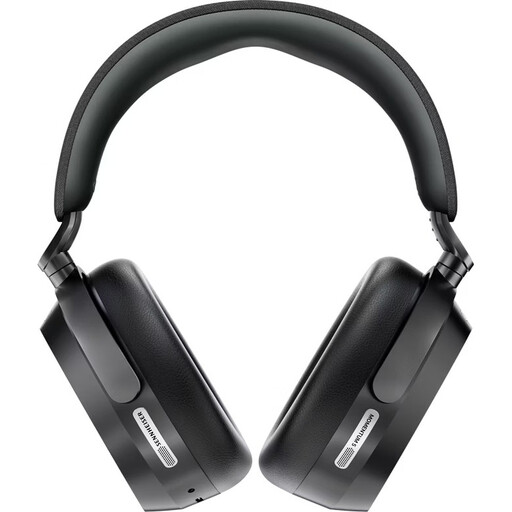 No image available
The closed-back over-ear design with transparency mode is an option for longer journeys, provided the headband and ear cushions feel comfortable.
Features listed in the product title: Active Noise Cancellation, Bluetooth 5.4 and up to 57 hours of battery life.
No. The World Health Organization recommends well-fitting noise-cancelling headphones, as they can reduce the need to turn up the volume in noisy surroundings. Its guidance on volume and listening breaks is advice for safe listening, not a legal volume limit.
Pair your headphones with your playback device before you travel, check the fit and see how quickly you can switch playback and ambient mode on and off. ANC needs a good, snug fit; you can pause playback to hear announcements.
Deutsche Bahn notes that listening to music loudly, including through headphones, is not permitted in the quiet zone on ICE trains. Keep the volume low enough not to disturb others; this is Deutsche Bahn guidance, not a general legal ban on wearing headphones.
According to the Verbraucherzentrale, a typical online consumer purchase generally comes with a 14-day right to cancel; exceptions and conditions depend on the circumstances. The seller is generally responsible for faulty goods. Your statutory rights are separate from any voluntary manufacturer’s guarantee.