
Lieferung heute & morgen

Qualitätsgarantie

Willkommens-Angebote freischalten: KOSTENLOSE Lieferung | Bis zu 80 % RABATT | Kostenlose 30-Tage-JoyPlus-Testphase
App herunterladen
A new smartphone needs to work reliably in everyday life, last long enough, and suit your personal usage habits. With Android smartphones, the sheer range of choice can quickly lead to poor decisions. High megapixel counts, large batteries or seemingly impressive RAM figures on their own tell you very little about how suitable a phone actually is.
A camera with 50 or 108 MP can capture detailed images. However, image quality also depends on sensor size, lens, image stabilisation, software and lighting conditions. For steadier shots, optical image stabilisation (OIS) is a worthwhile feature to look for. If you often take photos in low light, you shouldn't just focus on the megapixel count.
Claims like "up to 16 GB RAM" can combine physical memory with a software-based storage expansion. Virtual RAM uses a portion of the internal storage for this purpose and does not replace additional hardware RAM. For everyday use, messaging and streaming, 4 to 8 GB can be sufficient; with many apps open or demanding games, the processor, actual RAM and storage technology all matter together.
The markings IP54, IP64, IP67 or IP68 describe protection against specific amounts of dust and water under defined conditions. An IP54 or IP64 device is designed for splashes, not for submersion. Even with higher ratings, you should consider salt water, pressurised water and damaged seals. A rugged smartphone also needs to suit your usage in terms of its casing, glass and drop protection.
A smartphone with an AMOLED display typically offers vibrant contrast because individual pixels emit their own light. For text, videos and photos, resolution is also crucial. A 6.7-inch display with FHD+ resolution shows content in more detail than a similarly sized HD+ panel.
A refresh rate of 90 or 120 Hz can make scrolling feel smoother. However, depending on usage, it can increase power consumption. So check whether the refresh rate can be adjusted automatically and whether the brightness is sufficient for outdoor use.
Capacity is given in mAh. A high figure is a useful indicator, but no guarantee of a specific runtime. Display brightness, processor, mobile network standard, apps and temperature all affect consumption. A smartphone with long battery life should therefore offer not only a large battery capacity but also efficient hardware and suitable power-saving options.
Also check whether a charger is included in the box. With several models mentioned, only a USB-C cable is supplied. The charging speed must match the power adapter and cable you use.
A 5G smartphone is worthwhile mainly where your mobile tariff and network support 5G. For calls, navigation and regular streaming, a 4G model can still be sufficient. If you separate work and personal numbers, you'll need a Dual-SIM smartphone. With hybrid slots, using a microSD card can occupy the second SIM slot.
A smartphone with 128 GB is suitable for many users if photos and videos are regularly backed up. If you store extensive games, offline videos or lots of camera files, a smartphone with 256 GB gives you more flexibility. Check whether the storage is expandable and whether the slot remains available for that purpose.
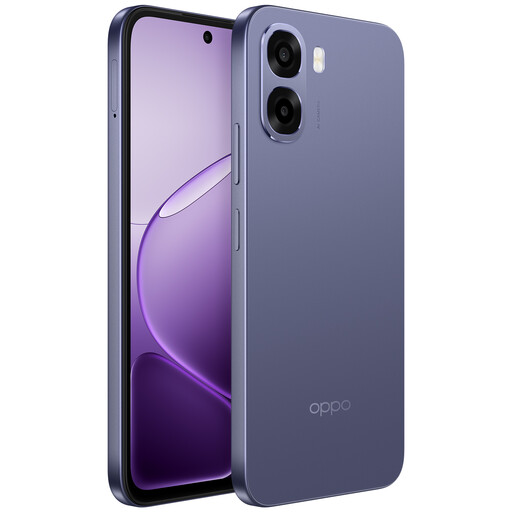
Why this product fits the profile: The OPPO smartphone combines 128 GB of storage with a 6.75-inch HD+ LCD and 120 Hz. The 6,100 mAh battery is designed for frequent everyday use.
The technical specifications list physical storage and battery capacity separately. The IP64 rating is not equated with waterproofing.
6,100 mAh typical battery capacity, 128 GB storage and 120 Hz refresh rate.
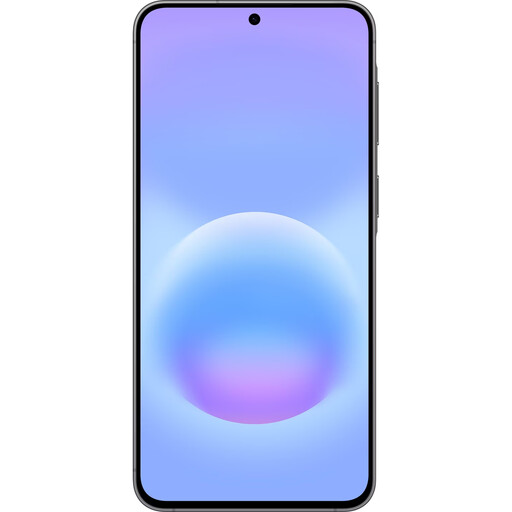
Why this product fits the profile: The Samsung Galaxy smartphone is aimed at users who want to combine 5G, a Super AMOLED display, 256 GB storage and Dual-SIM in one device.
The specifications list 8 GB RAM separately from 256 GB internal storage. Additionally, 5G, Nano-SIM plus eSIM and IP68 are clearly stated.
6.7-inch Super AMOLED with 120 Hz, 5,000 mAh battery, 45 W USB-PD support and 50 MP main camera with OIS.
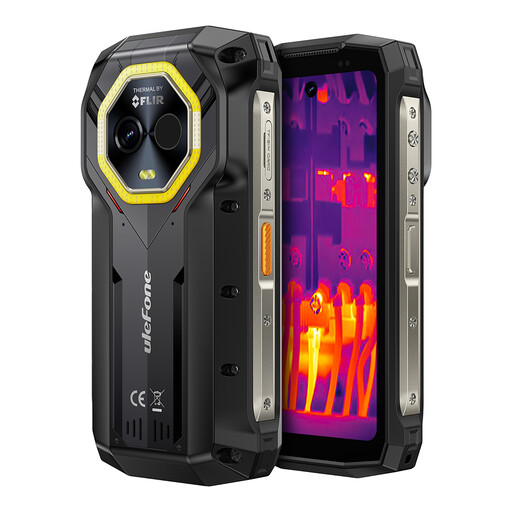
Why this product fits the profile: For outdoor work, construction sites or varying temperatures, this rugged smartphone offers a specialised feature set with 5G, Dual-SIM and a thermal imaging camera.
Instead of just advertising a high battery figure, the model specifies 6,200 mAh, 33 W charging as well as IP68, IP69K and MIL-STD-810H. Actual usage should still remain within the manufacturer's limits.
256 GB storage, microSD support up to 2 TB, 5G Dual-SIM and integrated thermal imaging camera.
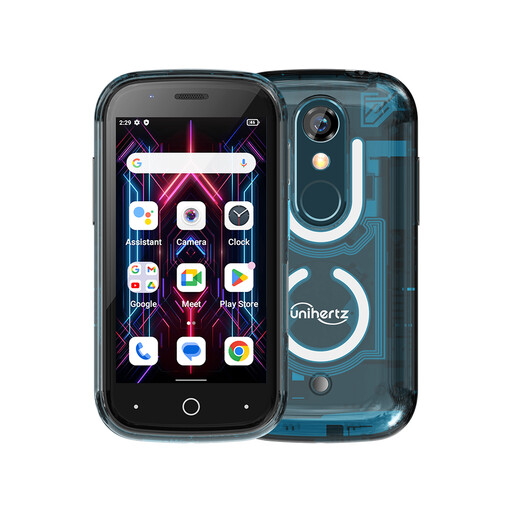
Why this product fits the profile: The compact device is of interest to users looking for a very small secondary phone with Dual-SIM, NFC and 256 GB storage.
The small size is clearly described by a 3-inch LCD with 480 × 854 pixels. This allows you to realistically assess the limited screen area before buying.
116 g weight, 8 GB RAM, 256 GB UFS 2.2 storage, NFC and 48 MP main camera.
We've put together a complete, regularly updated list of products that fully meet these strict selection criteria and the safety regulations in force in the EU.
The price depends on the display, processor, storage, camera, mobile network standard and update period. For a sensible choice, you should first decide on your must-have features: for example, 5G, Dual-SIM, 128 or 256 GB storage and a specific protection rating. A budget smartphone can be sufficient for calls, messaging and streaming, while camera or gaming requirements need additional hardware.
The practical lifespan depends on battery wear, security updates, storage needs and repairability. Before buying, check the manufacturer's information on Android versions and security updates. A longer update period can extend safe usage, but it doesn't replace careful handling of the battery and display.
Pay attention to the exact SIM configuration. Some models support two Nano-SIM cards, while others combine a Nano-SIM with eSIM. With a hybrid slot, storage expansion can occupy the second SIM slot. For a clear decision, you should therefore search not just for "Dual-SIM smartphone" but for the specific slot arrangement.