
Lieferung heute & morgen

Qualitätsgarantie

Willkommens-Angebote freischalten: KOSTENLOSE Lieferung | Bis zu 80 % RABATT | Kostenlose 30-Tage-JoyPlus-Testphase
App herunterladen
Animal figures for children are ideal for imaginative play, collecting and making up creative stories. There’s plenty to choose from, including realistic wildlife figures, horse figures, LEGO building sets and fantasy figures for children. But for parents, grandparents and other family members, the design isn’t the only thing that matters. Age guidance, small parts, materials, how the figure moves and whether it works with toys your child already owns all help determine whether it will be played with for years to come.
A figure marked ‘ages 3+’ won’t necessarily be right for every three-year-old. Small detachable parts, moving elements or delicate accessories may still mean adult supervision is needed. When choosing animal toys for children aged 3 and over, check the warnings on the packaging and the size of each part.
According to the product information, LEGO sets such as the LEGO Creator 31140 Magical Unicorn are designed for children aged 7 and over. Its 145 pieces aren’t intended for younger children, even if the finished unicorn looks like a simple animal figure.
With realistic animal figures, it’s worth checking exactly what you’re getting. Are the details printed on or sculpted in 3D? Are there moving parts? Is the figure a standalone toy, or does it belong to a collection or play system?
Marketing terms such as ‘high quality’ should be backed up by useful product information, including materials, dimensions, number of pieces and the recommended age. Schleich animal figures in the range, for example, list details such as the material, measurements and moving parts like a jaw or wings.
A single farm animal figure may be enough to get started. But children often need several animals, a suitable setting or accessories for more involved role play. Before buying, check whether the figure can be combined with sets you already own and whether other models in the same range are available.
With LEGO Creator 3-in-1, the same set of bricks can be rebuilt into different models. According to the product description, you can’t build all the models at the same time. This is an important difference compared with sets that include several separate figures.
Look out for three things:
The CE mark is a legally required conformity marking for certain product groups, but it isn’t a quality seal or an independent product test. The manufacturer’s information and safe, intended use remain key.
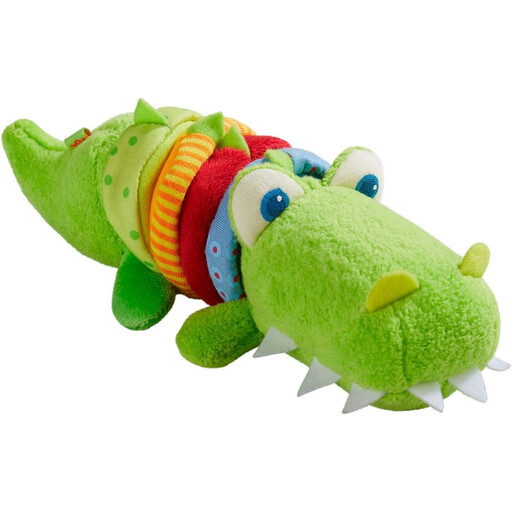
For plastic figures, a smooth surface, a stable base and neatly finished edges are all practical considerations. For plush or fabric elements, follow the care instructions. According to the product information, the HABA Croco figure is made from polyester and should be hand-washed. It’s designed for babies aged 6 months and over, so it isn’t a classic animal toy for children aged 3 and over.
For PVC figures such as the Sylvanian Families Sea Otter Family, the product description recommends cleaning the surface with a soft, damp cloth and storing the figures in a dry place. Check figures regularly for loose parts, chipped paint or cracks.
A realistic dinosaur figure with a moving lower jaw offers different play possibilities from a small, non-moving collectible. These questions can help you choose:
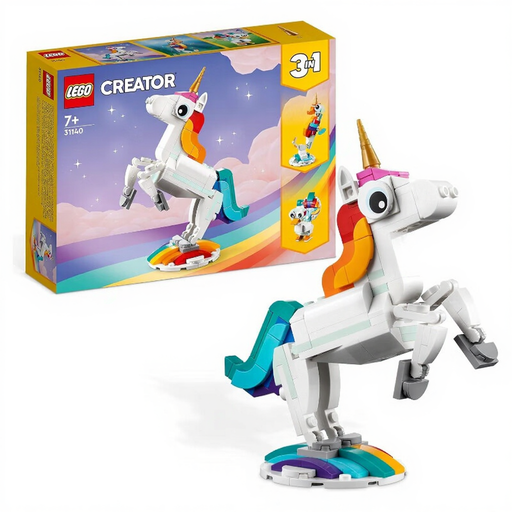
Why it suits this shopper: The set can be built into three different models using 145 pieces. According to the product information, it’s suitable for children aged 7 and over who enjoy building and rebuilding.
Being able to reuse the bricks means you don’t need to buy a separate building set for every animal. Keep the small parts and age guidance in mind.
Three build options, moving elements and a unicorn that stands around 13 cm tall, according to the product description.
Why it suits this shopper: According to the product information, this horse figure is suitable for children aged 3 and over and measures around 16 × 5 × 11 cm.
The product information lists the material, dimensions, recommended age and connection to the Horse Club range, rather than relying on vague marketing claims.
A standalone figure that needs no assembly, made from plastic and part of an established horse figure collection.
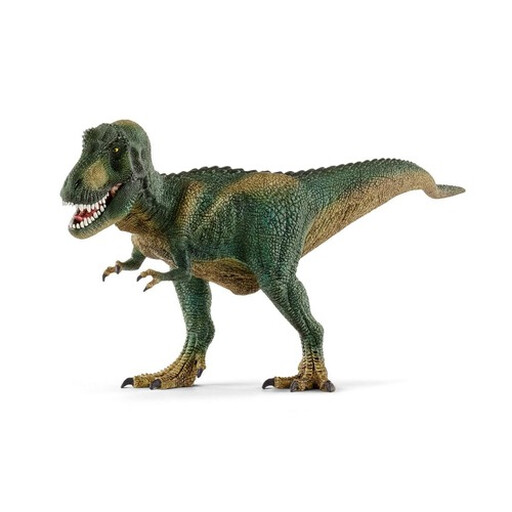
Why it suits this shopper: According to the product information, this dinosaur figure is suitable for children aged 3 and over. Its moving lower jaw makes it a good choice for play scenarios with other wildlife figures.
The specific information about the lower jaw makes it clear exactly how the figure moves. Remember to check the warning about small parts.
Moving jaw, detailed design and compatibility with other dinosaur figures.
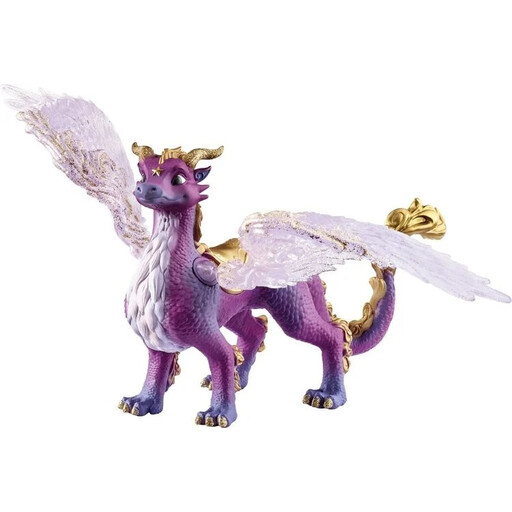
Why it suits this shopper: This fantasy figure for children aged 5 and over combines a dragon with moving, transparent wings and a magnetic area on its back.
The age guidance, moving elements, material and warnings are all clearly listed. This makes it easier to decide whether the figure is right for play or display.
Moving wings, a magnetic feature and a place in the BAYALA world; according to the product information, it measures around 24,2 × 15,1 × 4,8 cm.
We’ve put together a complete, regularly updated list of products that meet these strict selection criteria and fully comply with the safety regulations in force in the EU.
As a general rule, choose products that the manufacturer has marked as suitable from age 3 and whose warnings are appropriate for your child. Schleich horse figures, certain wildlife figures and some dinosaur figures fall into this category. You should also take small accessories, moving parts and your child’s stage of development into account.
It depends on the set. According to the product information, the LEGO Creator 3-in-1 models mentioned are designed for children aged 7 or 8 and over, and contain lots of small pieces. They’re therefore not intended as animal toys for children aged 3 and over.
Sort the figures by theme, such as farm animals, wildlife, horses or fantasy. Storing them somewhere dry and out of direct sunlight helps protect the materials and colours. For sets with small parts, a lidded box is a good option. Check any loose or damaged pieces before using the set again.