A flatshare with changing film tastes
You’re looking for different animated films and want to check first which apps and, if necessary, subscriptions will give you access to the specific titles.


For an animated film night in a flatshare, the app on your TV may be all you need, as long as it plays the film you want reliably. If the app isn’t available, an HDMI stick could be a good option, provided the connection, power supply and Wi-Fi are suitable. Consider a box mainly if you’ll actually use its Ethernet connection or other specific features. Also check separately which films each service offers, which subscriptions you’ll need and whether the device profiles suit your flatshare.
You’re looking for different animated films and want to check first which apps and, if necessary, subscriptions will give you access to the specific titles.
You share a TV but want to keep recommendations and viewing activity separate for each device user. Check the device’s profile features and each service’s account terms separately.
For you, a reliable connection where the TV is set up matters more than extra picture formats. A box with Ethernet will only help if you can connect a network cable there.
First, check whether your TV runs the app you need reliably. Only if it doesn’t should you compare a stick and a box, based on the ports available and the network connection where you’ll set it up.
| What matters to you | What to check | Who is this important to? |
|---|---|---|
| Access to films and apps | Search for the specific film on the service and check whether its app is available for your exact device model. | We’ve already picked an animated film and want to know whether the service and device will give us access to it. Around 28% of consumers may see access to films and apps as their top priority. |
| Separate use | Check whether the operating system offers device profiles; check the account rules for each streaming service separately. | We share a TV but want to keep our recommendations and viewing activity as separate as possible. Around 22% of consumers may prioritise separate use of a shared TV. |
| Connection where the device is set up | Test the Wi-Fi directly by the TV and check whether you can actually connect a network cable there. | The Wi-Fi signal by our TV keeps dropping, so we want to know whether a wired connection is possible. Around 22% of consumers may put the connection where the device is set up first. |
| Subscriptions and accessories | Check in advance whether you’ll need a service package or a separate HDMI cable. | We want to know whether we’ll need a package or accessories in addition to the device. Around 17% of consumers may give particular consideration to these extra requirements. |
| Picture quality and TV compatibility | Check that you have a free HDMI input and compare the formats supported by your TV and the specific film. | If picture quality matters to us, we want to check the streaming device, TV and film together. Around 11% of consumers may prioritise format compatibility. |
An app being available doesn’t mean it offers the specific film in its German catalogue or that you won’t need a subscription to watch it.
First search for the title on the service, then check whether its app is available on your exact device model.
Google TV profiles can separate the interface on the device, but they don’t determine the account terms set by a streaming service.
Check device profiles and sign-ins to film apps as two separate things.
Your TV and the specific film also need to support the format. Roku notes that its Streaming Stick 4K won’t play content in 4K or HDR unless you have a compatible TV.
Check your TV, film and streaming device together before making picture format a deciding factor.
Google says the certified HDMI 2.1 cable for the Google TV Streamer (4K) is sold separately. According to waipu.tv, a waipu.tv package is also required when you buy the stick on its own.
Before deciding, check what’s included and the terms of the service you want to use.
The Google TV Streamer (4K) is a box option if you’ll actually use its profiles or Ethernet connection.
The TV Stick 4K (2nd Gen) and TV Box S (3rd Gen) are different Google TV devices, so check each one individually.
The 2nd-generation stick is most relevant if you want to use waipu.tv’s live TV service as well as film apps.
Apple TV 4K is a box option if you want to use the features and connections available on the specific model.
The LEAP-AIR is another Google TV stick, but its app selection needs to suit the films you want to watch.
An HDMI dongle for a TV or display, listed as having a network media streaming adapter function.
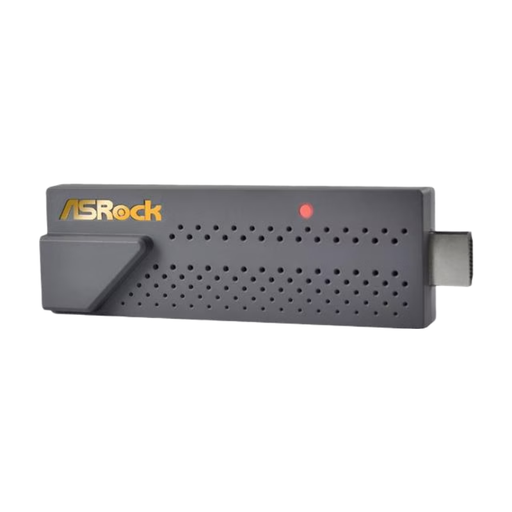 No image available
Could be suitable for connecting to a TV or display if the described network media streaming adapter function meets your needs.
HDMI connection; Wi-Fi 4 (802.11n), 2.4 GHz and speeds of up to 300 Mbit/s are listed.
According to the product description, use only with the power supply recommended by the manufacturer.
Yes, if the app you need is available and runs reliably. First check whether you can watch the specific film there and whether it requires a subscription; you won’t necessarily need an additional streaming device.
Google TV supports multiple user profiles, each with its own Google account. This applies to the device interface. To find out whether and how you can share a particular film subscription, check the service’s separate account terms.
Check for a free HDMI input, enough room around the port and the power requirements of the exact model. Roku notes that some TV USB ports may not supply enough power to the Streaming Stick 4K; if so, Roku recommends using a mains socket.
Film apps may require a subscription. According to waipu.tv, its 2nd-generation stick requires a waipu.tv package even when bought on its own. Google says the certified HDMI 2.1 cable for the Google TV Streamer (4K) is sold separately.
No. The Verbraucherzentrale’s checklist warns about illegal streaming sites offering unlicensed films. The Court of Justice of the European Union has also considered a media player that makes it easy to access films made available unlawfully. So check who provides the specific film separately from the device.