
Lieferung heute & morgen

Qualitätsgarantie

Willkommens-Angebote freischalten: KOSTENLOSE Lieferung | Bis zu 80 % RABATT | Kostenlose 30-Tage-JoyPlus-Testphase
App herunterladen
Choosing the right changing table is one of the most fundamental decisions when setting up a nursery. An anthracite changing table offers a modern and timeless look, but its stylish exterior can hide functional flaws that make daily life more difficult. Many parents invest in a piece of furniture that soon proves to be impractical or even unsafe. This guide highlights the most common pitfalls and explains which criteria truly matter.
Before you make a decision, you should be aware of the typical problems that often only become apparent after the purchase.
To avoid the problems mentioned above, you should check three core parameters. These form the basis for a safe, functional, and long-lasting purchase.
Your child's safety is the top priority. Look for the following features:
A well-organised changing station makes daily life much easier.
The most sustainable and economical solution is a dresser with a changing top. The top can be easily removed after the diapering phase is over, leaving a fully functional piece of furniture that can serve as a regular dresser in a child's or teenager's room for many years. This often justifies a higher initial price and fits seamlessly into an anthracite nursery furniture set that grows with your child.
The right choice depends on your personal priorities. Here are some products tailored to different requirements.
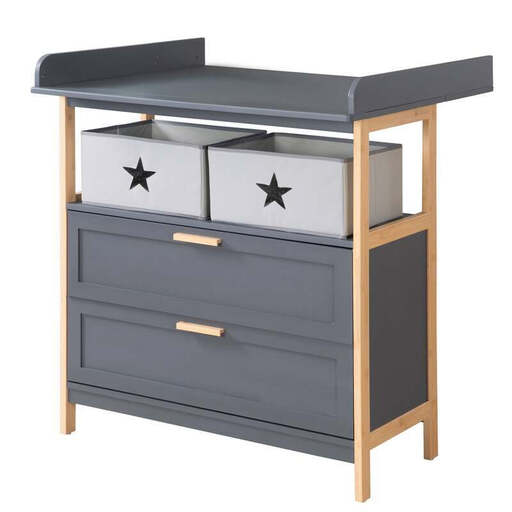
Why This Fits Their Persona: Ideal for parents seeking a long-term investment. This model combines a modern anthracite finish with the sturdiness of solid wood and the flexibility of a convertible design that grows with the child.
The removable changing top solves the problem of a short lifespan. The included wall mount and solid construction directly address safety concerns.
Ergonomic changing height of 92 cm. A combination of two large drawers and one open compartment provides flexible storage.
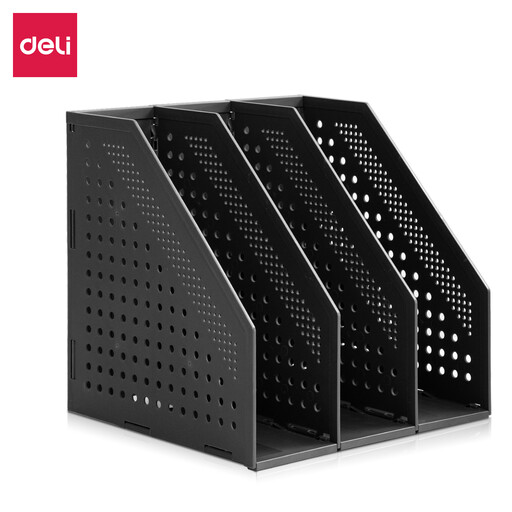
Why This Fits Their Persona: For parents who value order. This organiser is a clever addition to keep important documents like health records, vaccination cards, or appointment reminders sorted and within reach at the changing station.
Prevents the chaos that arises from insufficient or non-specific storage. It creates a dedicated, tidy place for papers that would otherwise lie around loose.
Compact, foldable design that fits on any shelf. The dark grey colour blends harmoniously with the overall look of anthracite furniture.
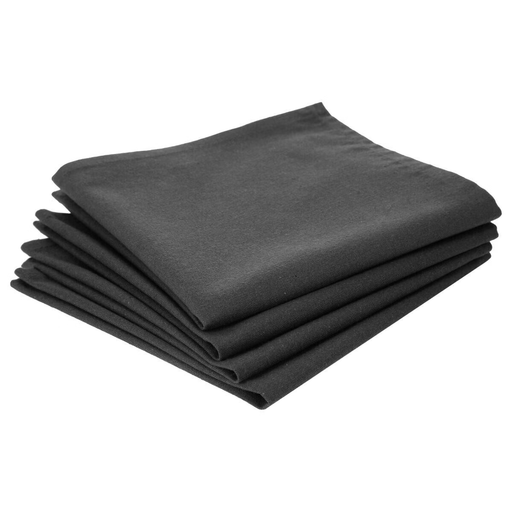
Why This Fits Their Persona: For parents who strive for a perfectly coordinated room concept, down to the last detail. These high-quality cotton cloths can be repurposed as soft, washable liners for drawers or open storage baskets.
Avoids the unappealing sight of cold plastic or wood surfaces in drawers. The cloths create a soft, protective, and aesthetically pleasing surface for delicate baby clothes.
Made from 100% cotton, washable, and available in a timeless dark grey that perfectly complements anthracite furniture.
We've compiled a complete, up-to-date list of products that fully meet these strict selection criteria and rigorous safety standards.
An ergonomically sound height for the changing surface is between 90 cm and 95 cm. This height allows most adults to stand upright, preventing the back pain that can result from frequent bending. Before buying, measure what height is most comfortable for you personally.
A solid wood changing table is often more stable, robust, and durable than models made from particleboard. Its heavier weight contributes to its stability. Additionally, solid wood furniture is often more resistant to scratches and wear. Although it may be more expensive initially, the investment usually pays off due to its longer lifespan.
A convertible changing table is typically used as a changing station for the first 18 to 24 months. After the changing top is removed, the dresser can continue to be used as regular storage furniture in the child's room. With good quality, it can easily accompany the child into their teenage years and beyond.