Joybuy Insights

Anti-Ageing Cream Buying Guide: How to Find the Right Skincare

The search for an effective anti-ageing cream can quickly feel like navigating a labyrinth of marketing promises. The market is saturated with products promising instant results, yet visible success often remains elusive. As your Joybuy Product Recommendation Officer, I'll help you understand the key criteria for making an informed choice and avoiding common purchasing traps.

The 3 Most Common Traps When Buying Anti-Ageing Creams

Before we turn to effective solutions, it's important to recognise the typical pitfalls that often lead to disappointment and unnecessary expense.

  1. The "Active Ingredient Illusion": Many products prominently feature trendy ingredients like retinol or vitamin C. However, a look at the INCI list (list of ingredients) often reveals that these active ingredients are present in such low concentrations that they can have little to no effect. If an active ingredient is at the end of a long list, its concentration is usually negligible.
  2. The Lack of UV Protection: A day cream with SPF is the foundation of any anti-ageing strategy. UV radiation is one of the main causes of premature skin ageing, including wrinkles and dark spots. A day cream labelled "anti-ageing" without adequate sun protection neglects the most crucial preventive aspect.
  3. Luxury Price for Basic Care: A high price and elegant packaging are no guarantee of effectiveness. It's not uncommon for expensive creams to be based on simple moisturising formulas that, while nourishing, offer no specific anti-ageing benefits to justify the price.

What Really Matters: The Decisive Parameters

To find a cream that meets your needs, you should focus on objective, verifiable criteria rather than marketing slogans.

Active Ingredients and Their Formulation

The effectiveness of a cream depends on the right ingredients in the right concentration and formulation. Look for products where the key active ingredients appear high up on the INCI list.

  • Cream with Retinol (and its derivatives): Retinol is a vitamin A derivative that can stimulate cell renewal and support collagen production. It is a proven active ingredient in a cream for wrinkles. For beginners or those with sensitive skin, gentler forms like Retinyl Palmitate or modern alternatives such as Bakuchiol or HPR (Hydroxypinacolone Retinoate) are often better tolerated.
  • Vitamin C Face Cream: Vitamin C (often listed as Ascorbic Acid or Ascorbyl Glucoside) is a powerful antioxidant. It protects the skin from free radicals, can boost collagen production, and, as a brightening cream, helps with uneven skin tone and dark spots.
  • Niacinamide Cream: Niacinamide (Vitamin B3) is a versatile active ingredient. It can strengthen the skin barrier, visually refine pore size, regulate sebum production, and also help to brighten the skin tone. Concentrations between 2% and 5% are considered effective.
  • Hyaluronic Acid Cream: Hyaluronic acid is a moisture magnet that binds water in the skin. It plumps up the skin and can instantly soften fine lines caused by dryness. For a deeper effect, formulations with different sizes of hyaluronic acid molecules are beneficial.

The Right Base for Your Skin Type

The best active ingredient is of little use if the cream's base doesn't suit your skin type.

  • Dry skin benefits from rich oil-in-water emulsions with lipids such as ceramides, shea butter, or plant-based oils.
  • Oily or combination skin is often better served by light, oil-free gel-creams or fluids that absorb quickly and do not clog pores.
  • Sensitive skin requires formulations without fragrances, alcohol, and other potentially irritating ingredients.

Picks for Different Skin Needs

Instead of making a blanket recommendation, we have selected products tailored to specific user profiles and their needs.
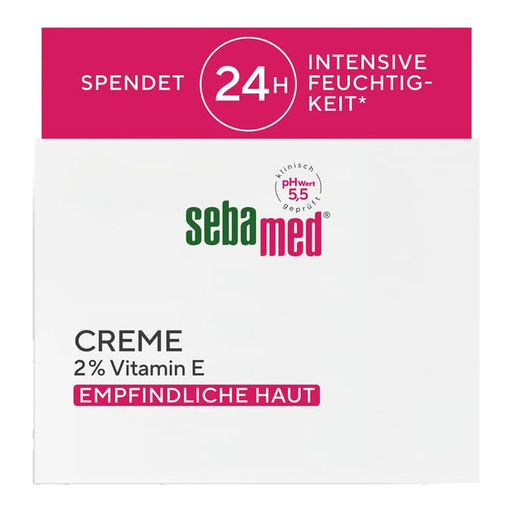
MATCH FOR: PREVENTATIVE CARE BEGINNERS
sebamed Cream with 2% Vitamin E 75 ml

sebamed Cream with 2% Vitamin E 75 ml

Why This Fits Their Persona: Ideal for individuals looking to start a solid, straightforward anti-ageing routine. The focus is on antioxidant protection and moisture, without overwhelming the skin with strong active ingredients. Perfect for skin from age 30 onwards.

How It Avoids the Trap

Instead of vague promises, the formula clearly focuses on 2% Vitamin E as an antioxidant and a pH of 5.5. It bypasses the trap of overpriced luxury creams with a transparent, functional base.

Key Advantage & Pros

Protects against free radicals and prevents premature skin ageing; the pH of 5.5 supports the skin's natural protective barrier.
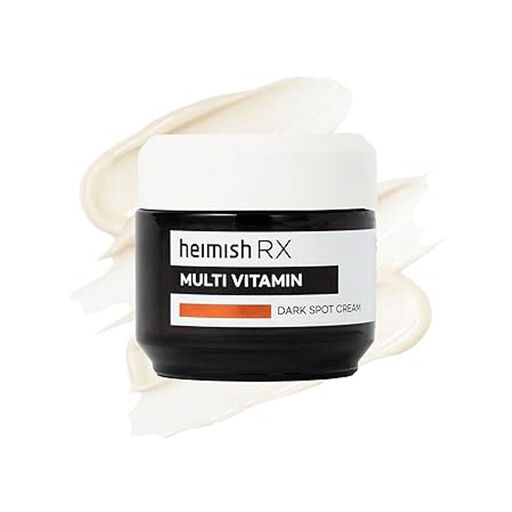
MATCH FOR: AN EVEN, BRIGHTENED COMPLEXION
heimish RX Multi-Vitamin Dark Spot Cream

heimish RX Multi-Vitamin Dark Spot Cream

Why This Fits Their Persona: Perfect for users who want to specifically target dark spots, acne scars, or a dull skin tone. The combination of niacinamide and vitamin C is designed for a visible improvement in the skin's appearance.

How It Avoids the Trap

This product avoids the "active ingredient illusion" with its clear declaration of 5% Niacinamide, a proven effective concentration for improving skin tone and reducing pigmentation issues.

Key Advantage & Pros

Formulated with 5% Niacinamide and Vitamin C for the visible reduction of hyperpigmentation; classified as non-irritating according to the manufacturer.
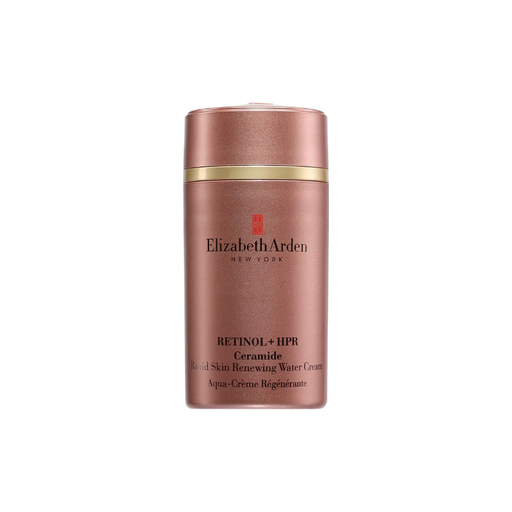
MATCH FOR: EXPERIENCED USERS FOCUSED ON WRINKLES
Elizabeth Arden Retinol+HPR Ceramide Rapid Skin Renewing Water Cream

Elizabeth Arden Retinol+HPR Ceramide Rapid Skin Renewing Water Cream

Why This Fits Their Persona: Suitable for experienced users looking for a high-performance cream for wrinkles. The advanced formula targets visible skin renewal and firming, combining powerful active ingredients with nourishing components.

How It Avoids the Trap

It sidesteps the trap of aggressive active ingredients by combining Retinol and the gentler HPR with skin-barrier-strengthening ceramides. This allows for effective use with reduced potential for irritation.

Key Advantage & Pros

Combines Retinol and HPR for accelerated skin renewal; ceramides strengthen the skin's moisture barrier and ensure good tolerability.


Looking for more options?

We have compiled a complete, up-to-date list of products that fully meet these strict selection criteria and rigorous safety standards.

Frequently Asked Questions (FAQ)

When does it make sense to start using an anti-ageing cream?

There's no fixed age, but many skincare experts recommend starting with preventative measures in your late 20s or early 30s. A daily day cream with SPF is the most important first step. Afterwards, you can integrate products with antioxidants like Vitamin C or E. More targeted active ingredients like retinol often become relevant from your mid-30s, when the first lines and wrinkles become visible.

Can I use a cream with retinol every day?

When using retinol, a gradual introduction is crucial. Start by applying it two to three times a week in the evening. If your skin tolerates the product well, you can slowly increase the frequency. Redness, dryness, or peeling are signs that you should reduce the application. Daily use of a broad-spectrum sunscreen is essential when using retinol, as it can make the skin more sensitive to light.

What does a hyaluronic acid cream do for wrinkles?

A hyaluronic acid cream primarily acts as an intense moisturiser. It binds large amounts of water in the upper layers of the skin. This effect plumps the skin, making fine lines caused by dryness appear instantly smoother and less visible. However, for a long-term reduction of deeper, structural wrinkles, active ingredients like retinol or peptides are required to stimulate the skin's collagen production. Hyaluronic acid is an excellent complement to these active ingredients, as it keeps the skin hydrated and supple.