
Lieferung heute & morgen

Qualitätsgarantie

Willkommens-Angebote freischalten: KOSTENLOSE Lieferung | Bis zu 80 % RABATT | Kostenlose 30-Tage-JoyPlus-Testphase
App herunterladen
An anti-ageing cream is designed to hydrate mature or increasingly demanding skin and to complement your skincare routine in a targeted way. The choice ranges from simple moisturisers for mature skin to formulations containing retinol, peptides, antioxidants or PDRN. However, a high price or a flashy marketing term alone tells you little about whether a product actually suits your needs.
A rich texture can make dry skin appear smoother immediately. This effect is often due to hydration, nourishing lipids or film-forming ingredients. It is not automatically a sign that wrinkles will be reduced permanently. A face cream for wrinkles should therefore be judged on its ingredient list, application and compatibility – not just on product images or advertising claims.
Many night creams and classic anti-wrinkle creams do not contain a stated UV filter. UV radiation can influence skin ageing. For daytime use, an anti-ageing day cream with a suitable SPF or a separate sunscreen product makes sense. The NIVEA Vital Soy Anti-Age Protective Day Care Cream contains SPF 30 and UVA/UVB filters according to the product description. The specific level of protection should always be used in line with the packaging instructions.
Retinol, fragrances, essential oils or alcohol can be unsuitable for some skin types. Even a retinol cream is not automatically suitable for daily use. What matters are the manufacturer's instructions, your personal skin sensitivity and a gradual introduction. If irritation persists, you should stop using it.
An anti-ageing day cream should spread comfortably under sunscreen or make-up. An anti-ageing night cream often focuses on a richer texture and nourishing ingredients. If you want to use the same cream morning and evening, pay attention to the stated use and how it feels on your skin.
The INCI list is an important guide in the European Union. Ingredients are generally listed in descending order of concentration, with exceptions for components present in low doses. Fragrance allergens such as limonene, linalool or geraniol should be noted if they are labelled.
Dry skin may cope better with a rich cream than with a light gel texture. For combination or oily skin, a fast-absorbing, non-greasy formula is often more practical. The fill size also affects price comparison: 20 ml is not directly comparable to 50 ml. If you have sensitive skin, it is advisable to check for fragrances, essential oils and warnings. A patch test on a small area of skin can be useful before regular use.
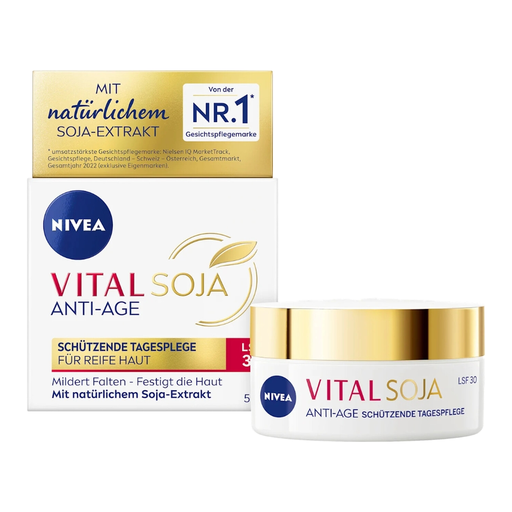
Why this product fits the profile: This day cream combines a rich cream base with SPF 30 and is designed for a straightforward morning routine on the face, neck and décolletage.
The stated sun protection helps prevent you from mistakenly using a day cream as a night cream. The SPF value is clearer to assess than a general anti-ageing term.
50 ml content, SPF 30 and soy extract according to the INCI list; apply in the morning after cleansing.
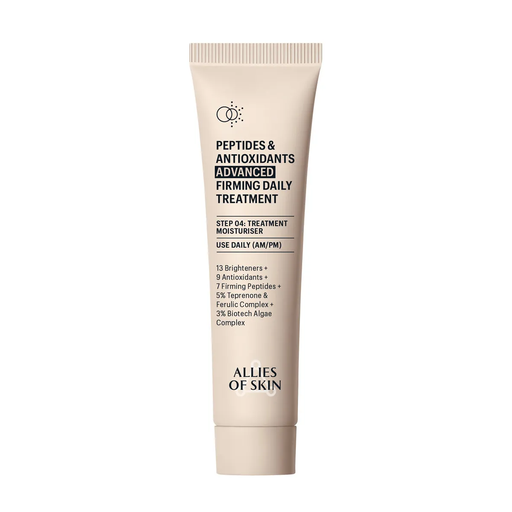
Why this product fits the profile: This compact formulation is aimed at users who want to combine peptides, antioxidants, ceramides and hyaluronic acid in a daily face care product.
The long INCI list allows for a concrete comparison of the advertised active ingredient groups. At the same time, the 20 ml fill size should be considered when evaluating the price.
Stated for use on the face, neck and eye area; contains several peptides, ceramides and antioxidants according to the product information.
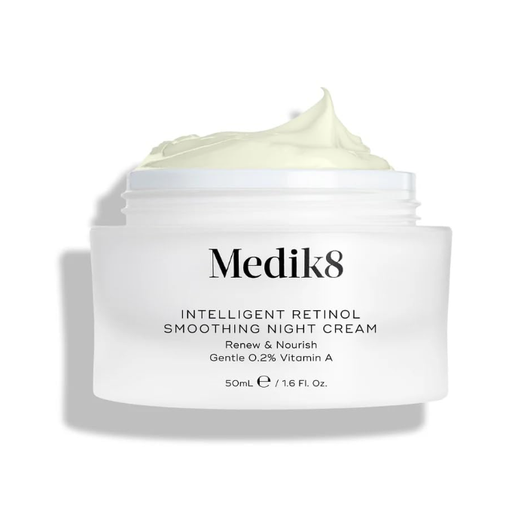
Why this product fits the profile: This night cream contains 0.2% retinol with time-release delivery according to the product information, and is intended for those who want to introduce retinol into their routine gradually.
The concentration and the step-by-step application advice are more specific than a blanket statement about 'vitamin A'. Sun protection is recommended during the day according to the product information.
50 ml content, 0.2% retinol according to the manufacturer's information, plus vitamin E and sodium hyaluronate in the formula.
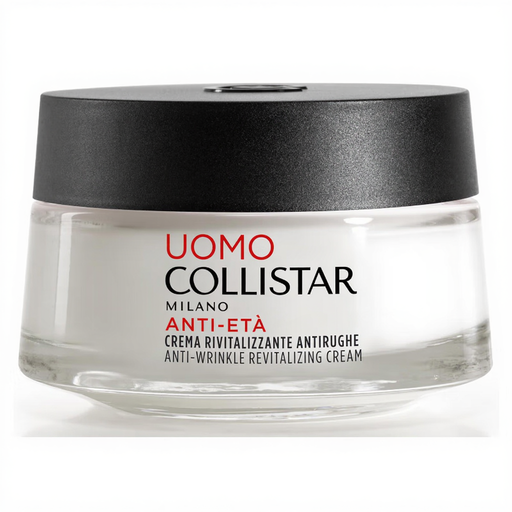
Why this product fits the profile: This cream is intended for use both morning and evening, as well as an after-shave care product, making it suitable for a streamlined, versatile routine.
The stated use and the information about non-comedogenic, dermatologically tested care make it easier to assess. Individual tolerance still remains the deciding factor.
50 ml content; according to the product description, contains hyaluronic acid, vitamin E and peptides, and is stated as suitable for all skin types.
We have put together a complete, regularly updated list of products that fully meet these strict selection criteria and the safety regulations in force in the EU.
The symbol for the period after opening, the best-before date and the information on the packaging are the deciding factors. Changes in smell, colour or consistency may indicate that the product quality is no longer optimal. The cream should be stored in a dry, cool place away from direct sunlight.
A richer moisturiser for mature skin containing glycerin, hyaluronic acid, squalane, oils or shea butter may be suitable if you have a dry feeling skin. For combination skin, a lighter texture is often more practical. Individual tolerance and the full INCI list should be checked before purchase.
That depends on the concentration, formulation and your skin's tolerance. Beginners should increase use slowly and follow the manufacturer's instructions. If you experience irritation, redness or stinging, you should pause or stop using it. A suitable sunscreen should be part of your daytime routine.