
Lieferung heute & morgen

Qualitätsgarantie

Willkommens-Angebote freischalten: KOSTENLOSE Lieferung | Bis zu 80 % RABATT | Kostenlose 30-Tage-JoyPlus-Testphase
App herunterladen
An anti-ageing cream is designed to nourish dry skin, visually smooth fine lines and keep your daily skincare routine manageable. In practice, however, the choice isn’t just about price or a flashy marketing promise. What really matters is your skin type, the ingredients, how you use the product, and a realistic look at what’s actually on the label.
Terms like “collagen”, “PDRN”, “peptides” or “hyaluronic acid” sound impressive. But on their own, they don’t tell you how a formula will work on your skin. A hyaluronic acid cream is mainly about hydration, while a retinol cream requires a gradual introduction. The position of an ingredient on the INCI list can give you a clue about its relative concentration, but it doesn’t replace checking how your own skin reacts.
A day cream with SPF can be a handy way to add UV protection to your morning routine. However, the stated factor is based on using the recommended amount. In strong sun, during long periods outdoors, or if you have sensitive skin, a separate sunscreen with a higher SPF may be a better idea. So a day cream with SPF 15 or SPF 30 isn’t automatically enough for every situation.
A cream might be labelled as suitable for all skin types, yet still contain fragrance, alcohol or rich oils. If you have sensitive, redness-prone or very dry skin, it’s worth checking the full ingredients list. Packaging information can change, so always refer to the current INCI list of the product you’ve bought.
For dry or mature skin, look for moisturising and replenishing ingredients such as glycerin, hyaluronic acid, shea butter or plant oils. A light gel cream can feel more comfortable under make-up, while a richer anti-wrinkle night cream is better for easing tightness in your evening routine.
If you have combination or oily skin, don’t choose a product based solely on the word “anti-ageing”. Lightweight formulas with fast-absorbing silicones or humectants can be more practical for daily use than very rich creams.
Before using a new product all over your face, it’s a good idea to test it on a small area of skin. If you experience stinging, persistent redness or a rash, stop using it. Pay special attention to the eye area, damaged skin and any open wounds. Cosmetics containing vitamin A should be used according to the instructions on the packaging. An anti-ageing face cream is not a substitute for dermatological treatment.
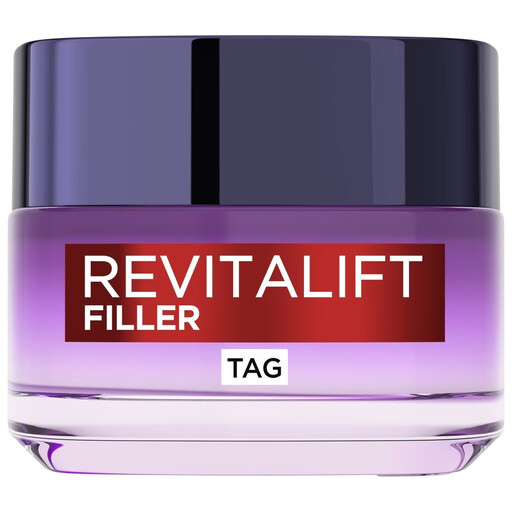
Why this product fits the profile: According to the product information, this day cream contains three forms of hyaluronic acid and is designed for daily use on the face and neck.
The focus is on hydration rather than a vague mix of ingredients. The product description specifies the types of hyaluronic acid and a light cream texture.
50 ml content, daily morning application and hyaluronic acid as the key skincare ingredient.
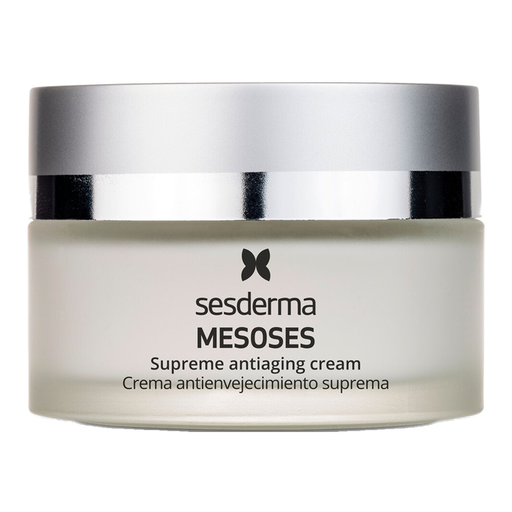
Why this product fits the profile: According to the product information, the formula combines ingredients including glycerin, amino acids, hydrolysed hyaluronic acid, vitamin components and edelweiss extract.
The choice of ingredients is clearly listed in the product description. At the same time, fragrance and declared fragrance allergens are transparently stated.
50 ml, can be used morning and/or evening, and a formula suitable for all skin types according to the product information.
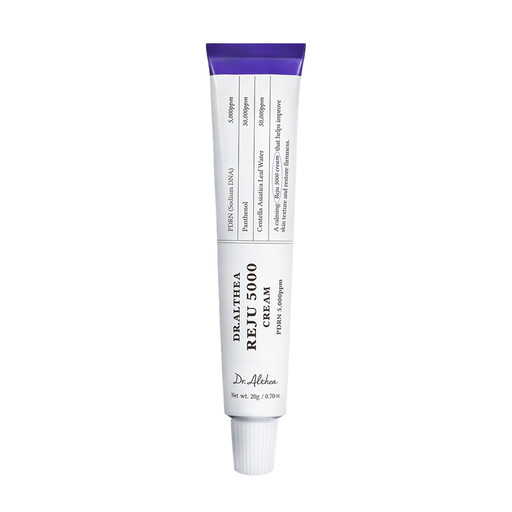
Why this product fits the profile: The compact 20 g size and fast-absorbing, non-sticky texture make it ideal for anyone looking to add a targeted extra cream to their routine.
The formula lists several forms of hyaluronic acid, panthenol and centella asiatica leaf water. This allows you to target your skincare towards specific hydration needs.
Light balm-cream, can be used as the second-to-last or last step in your routine, and can be layered as needed according to the product information.
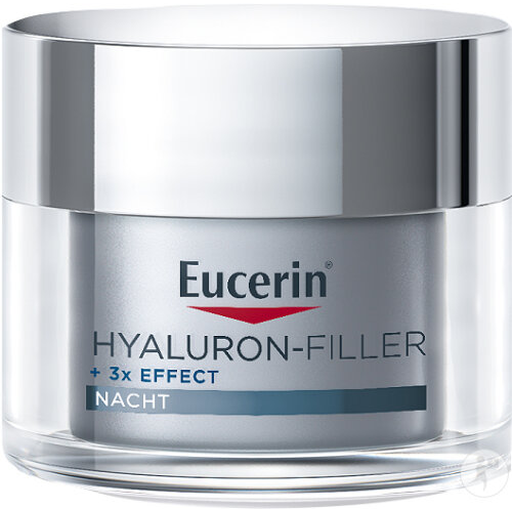
Why this product fits the profile: According to the product information, this night cream combines hyaluronic acid, panthenol, shea butter and dexpanthenol for a richer evening routine.
Use is clearly limited to the evening. This avoids confusing a rich night cream with a light day cream or the need for UV protection.
50 ml content, rich texture and ingredients focused on hydration and evening care.
We’ve put together a full, regularly updated list of products that meet these strict selection criteria and comply with EU safety regulations.
If you’re using a day cream with SPF, make sure you apply enough. An anti-wrinkle night cream, on the other hand, should be applied in the evening as the last or second-to-last step. The shelf life depends on the packaging, the best-before date and the symbol indicating how long the product lasts after opening.
For dry skin, look for formulas containing glycerin, hyaluronic acid, shea butter, panthenol or oils. A richer texture can feel more comfortable than a very light gel cream. If you have sensitive skin, check the INCI list for fragrance or alcohol.
A cautious start is usually two to three applications per week. If your skin tolerates it well, you can gradually increase the frequency according to the product instructions. If irritation occurs, take a break. Using a suitable sunscreen during the day is a good idea.
That depends on the size, how much you use and where you apply it. With daily use, 50 ml often lasts several weeks to a few months. A pea-sized or almond-sized amount is usually enough for your face and neck, depending on the texture. For an accurate estimate, check the manufacturer’s instructions and your own dosage.