
Lieferung heute & morgen

Qualitätsgarantie

Willkommens-Angebote freischalten: KOSTENLOSE Lieferung | Bis zu 80 % RABATT | Kostenlose 30-Tage-JoyPlus-Testphase
App herunterladen
Fine lines, dry skin and a loss of firmness are common reasons to look for an anti-ageing cream. The choice ranges from lightweight day creams to rich night creams for wrinkles. However, a high price or a luxurious brand name says little about whether a formula suits your skin and daily routine.
Terms such as “firming”, “rejuvenating” or “regenerating” initially describe only how a product is positioned. More meaningful are specific details about the formula, such as retinol, niacinamide, glycerin, hyaluronic acid, ceramides, peptides or squalane. The order of ingredients in the INCI list can also provide clues, but it does not replace an individual tolerance check.
A very rich cream can feel pleasant on dry or mature skin. On combination skin or in a warm room, however, it may feel heavy. An hydrating anti-ageing cream should therefore be chosen based not only on the jar, but also on your skin type and how and when you intend to use it.
A retinol cream is not automatically suitable for daily use when you are just starting out. Retinol can initially cause dryness, redness or a feeling of tightness. If you have not used vitamin A products before, begin with a low frequency and monitor how your skin reacts. During the day, a suitable sunscreen should be part of your routine.
For dry, dehydrated skin, humectants such as glycerin, panthenol or hyaluronic acid, as well as replenishing ingredients such as squalane, shea butter or certain oils, are relevant. If fine lines are caused by dryness, a well-hydrating formula can make the skin look temporarily smoother.
If you are specifically looking for a face cream for wrinkles, you will often find retinol, peptides, adenosine or niacinamide in the formulas. These ingredients should not be considered in isolation: concentration, stability, packaging and personal tolerance all influence your choice.
A day cream should work well with sunscreen and make-up. A night cream for wrinkles can be richer, provided it does not feel uncomfortable or comedogenic. Gel creams are often suitable for normal to combination skin, while balm or soft-cream textures tend to be chosen for dry skin and a more comforting feel.
Before buying, it is worth checking for fragrances, essential oils and declared allergens. People with sensitive skin may prefer a fragrance-free formula. With retinol products, the manufacturer's usage instructions are important. The complete ingredients list on the packaging is decisive, as formulas may change.
Cosmetic products in the EU must comply with the requirements of Regulation (EC) No 1223/2009. This does not mean, however, that every cream will suit every person. Stop using the product if irritation persists. During pregnancy or breastfeeding, the use of retinol-containing products should be discussed with a healthcare professional as a precaution.
The following selection does not rank products according to arbitrary league tables, but categorises them by formula, texture and intended use.
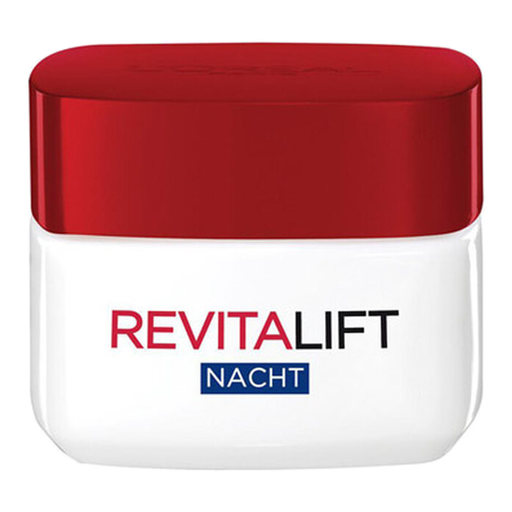
Why this product suits this profile: This night cream combines glycerin with Pro-Retinol A and is designed for a straightforward evening routine. It may appeal to people considering an anti-wrinkle cream with a vitamin A derivative for the first time.
The product description names the key vitamin A ingredient and specifies evening use. This makes it easier to incorporate the cream gradually into your routine.
50 ml size, glycerin and Pro-Retinol A; intended for the face and neck in the evening.
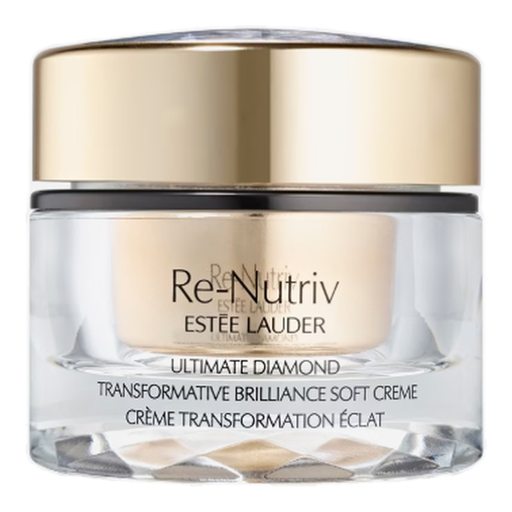
Why this product suits this profile: The soft-cream texture is aimed at customers who prefer luxurious facial skincare with a rich skin feel and an extensive INCI list.
The choice can be assessed by looking at specific ingredients such as shea butter, sodium hyaluronate, ascorbyl glucoside and peptides, rather than relying solely on its luxury positioning.
30 ml; rich soft cream with humectants, shea butter and several peptide and plant-based ingredients.
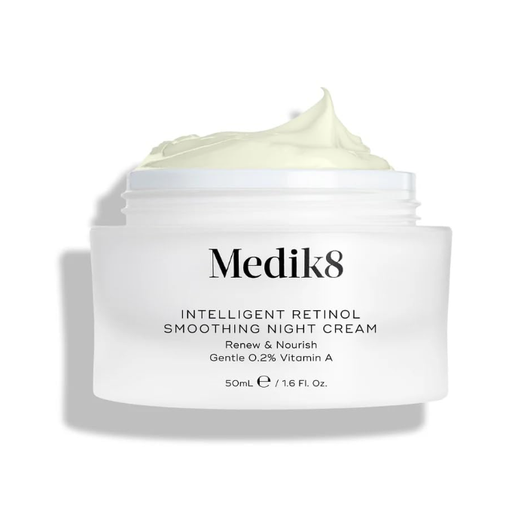
Why this product suits this profile: The stated concentration of 0.2% time-release retinol and a step-by-step usage recommendation make this cream interesting for retinol beginners and regular users.
The amount of retinol is clearly stated. The advice to introduce it gradually and use daily sunscreen is also included, helping to avoid over-intensive use.
0.2% time-release retinol, vitamin E, squalane and sodium hyaluronate; 50 ml contents.
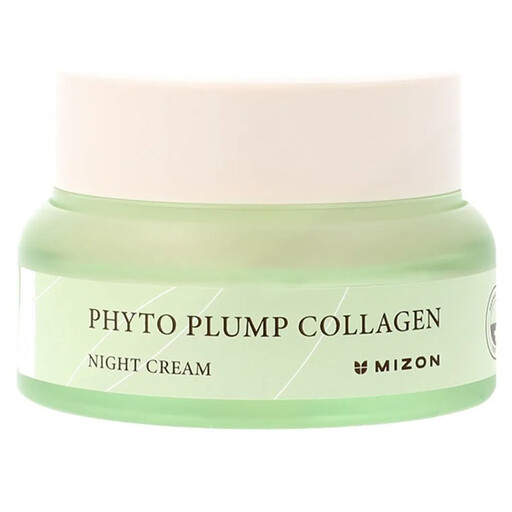
Why this product suits this profile: This night cream combines glycerin, panthenol, niacinamide, squalane and plant extracts. Its rich formula suits an evening routine for dry or dehydrated skin.
The formula should not be judged solely by the term “collagen”: humectants, panthenol, squalane and niacinamide can all be identified specifically in the ingredients list.
50 ml; panthenol, niacinamide, squalane and plant-based collagen and algae ingredients in a night cream.
We have put together a complete, regularly updated list of products that fully meet these strict selection criteria and the safety regulations applicable in the EU.
There is no fixed age at which to start. From around 30, suitable skincare may be particularly worthwhile if you are experiencing dryness, visible fine lines or a change in how your skin feels. Your skin type, preferred texture and tolerance are the key factors.
The expiry date and the open-jar symbol indicating the period of use after opening on the packaging are decisive. Jars should be closed securely and protected from heat and direct sunlight. If the colour, smell or consistency changes, stop using the product.
This depends on the formula and how well your skin tolerates it. When starting out, gradual use is advisable. If you experience redness, stinging or severe dryness, reduce the frequency or pause use. Different retinol products should not be combined without careful consideration.