
Lieferung heute & morgen

Qualitätsgarantie

Willkommens-Angebote freischalten: KOSTENLOSE Lieferung | Bis zu 80 % RABATT | Kostenlose 30-Tage-JoyPlus-Testphase
App herunterladen
The search for an effective anti-ageing day cream can quickly feel overwhelming. The market is filled with products promising impressive results. But not every cream delivers on its advertising claims. Many users invest in products that are unsuitable for their skin type or whose advertised active ingredients are present only in trace amounts.
This guide will help you identify the crucial criteria. We'll show you two common pitfalls that lead to disappointment and unnecessary expense, and explain what to look for to make an informed decision for your skin.
Pitfall 1: The "Miracle Ingredient" Trick Many products prominently advertise ingredients like hyaluronic acid or vitamin C. However, a look at the INCI list (International Nomenclature of Cosmetic Ingredients) often reveals that these substances are listed far down. This indicates a very low concentration, which may not be sufficient to achieve the promised effect.
Pitfall 2: Missing or Inadequate Sun Protection UV radiation is one of the main contributors to premature skin ageing, including wrinkles and dark spots. An anti-wrinkle cream applied during the day that offers no or a very low sun protection factor (SPF) works against its own goals. Without daily protection from UVA and UVB rays, other anti-ageing ingredients are only half as effective.
To avoid a purchase mistake, you should base your choice on objective criteria. The following three parameters are crucial for the functionality and suitability of a firming day cream.
The effectiveness of a cream depends on its active ingredients. Look for formulations that combine proven active ingredients:
For daily use, a day cream with SPF is essential. Broad-spectrum protection defends against both UVA rays (which contribute to skin ageing) and UVB rays (which cause sunburn).
A day cream for mature skin must suit the individual condition of the skin. A rich cream can clog pores on oily or combination skin, while a light gel texture is often not nourishing enough for dry skin.
Based on the criteria mentioned, we have compiled a selection of products suitable for different user profiles and needs.
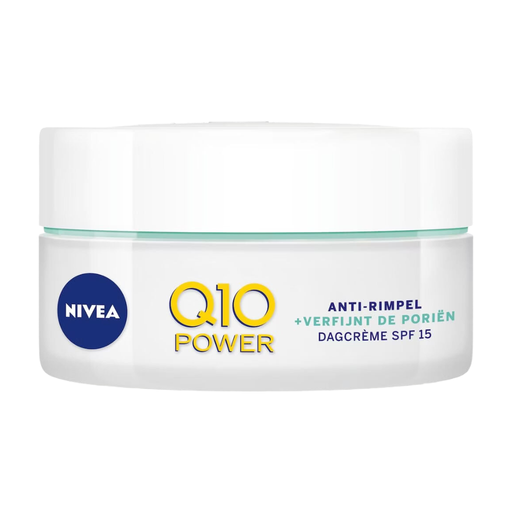
Why this product is a good fit: Ideal for those looking for reliable and affordable anti-ageing care with integrated sun protection for daily use. The formula is specifically designed for combination skin.
The product avoids the pitfall of missing protection with its integrated SPF 15. The active ingredients Q10 and Creatine are a central part of the formula, not just a marketing gimmick.
Offers a combination of anti-wrinkle ingredients and daily sun protection in a lightweight, pore-refining texture suitable for combination skin.
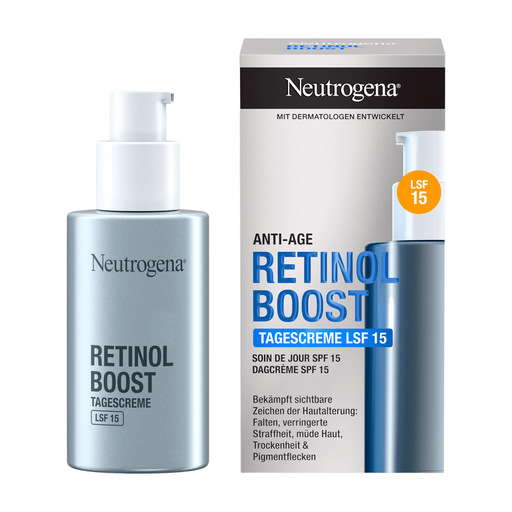
Why this product is a good fit: For users who specifically want to leverage the benefits of retinol. The formula combines this active ingredient with moisturising hyaluronic acid and the necessary sun protection.
This product avoids the pitfall of unclear concentrations by containing 0.1% pure retinol, according to the manufacturer. The integrated SPF 15 counteracts the increased light sensitivity caused by retinol.
Combines the active ingredient retinol with hyaluronic acid and sun protection to simultaneously support cell renewal, provide moisture, and protect against UV damage.
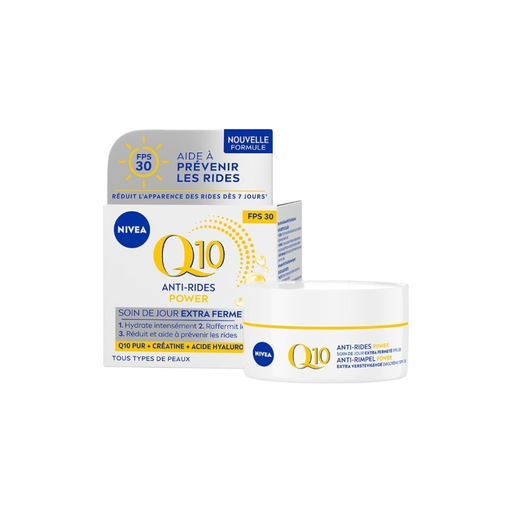
Why this product is a good fit: For anyone who prioritises increased protection against sun-induced skin ageing. This cream offers the proven Q10 active ingredients with a stronger sun protection factor.
Directly addresses the pitfall of inadequate protection with an SPF 30, which provides high protection against UVA and UVB rays for daily use.
Provides enhanced broad-spectrum protection that helps to more effectively prevent the formation of dark spots and sun-induced wrinkles, without sacrificing nourishing anti-ageing ingredients.
We have compiled a complete, up-to-date list of products that fully meet these strict selection criteria and safety standards.
There is no fixed age. Skin ageing is influenced by genetic factors and lifestyle. Many people start using targeted anti-ageing products from their mid-30s, when the first signs, such as fine lines or a loss of elasticity, become visible. However, preventive measures, especially daily sun protection, are advisable even at a younger age.
When using retinol, a gradual introduction is recommended. Start by applying it two to three times a week to observe your skin's reaction. If your skin tolerates the product well, you can slowly increase the frequency to daily use. Always follow the manufacturer's instructions for use.
For normal daily life, such as the commute to work, the SPF included in a day cream (e.g., 15 or 30) is usually sufficient. However, for prolonged and intense sun exposure, such as a day at the beach, in the park, or during outdoor sports activities, a separate sunscreen with a high SPF should be applied and reapplied regularly.