
Lieferung heute & morgen

Qualitätsgarantie

Willkommens-Angebote freischalten: KOSTENLOSE Lieferung | Bis zu 80 % RABATT | Kostenlose 30-Tage-JoyPlus-Testphase
App herunterladen
A daily skincare routine can be a challenge, especially when you want to specifically target the first signs of ageing while simultaneously protecting your skin from sun damage. An anti-ageing day cream with SPF combines these two essential steps into one product. It provides moisture, can support skin firmness, and protects against UV radiation, which is considered one of the main factors in premature skin ageing. This article presents a selection of products and offers a guide to help you make an informed decision for your skincare routine.
To find the right product, it's helpful to know a few basic criteria. Choosing the right ingredients and the appropriate sun protection factor is crucial for the effectiveness of your daily care.
A cream's formulation determines its effect. Look for ingredients that suit your skin's needs.
A face cream with sun protection factor is a fundamental part of daily anti-wrinkle care. The SPF value indicates how well the product protects against UVB rays, which are partly responsible for sunburn and skin ageing.
Here you will find an overview of selected day creams that combine anti-ageing care with a sun protection factor. Each product is distinguished by a specific combination of active ingredients and properties.
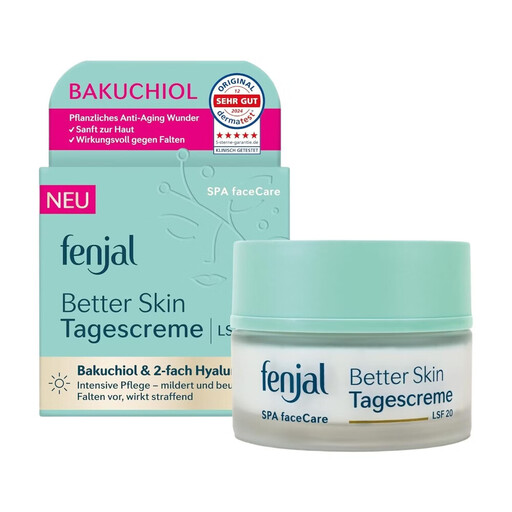
Why It Stands Out This day cream from FENJAL features a vegan formula with Bakuchiol, a plant-based alternative to retinol, combined with a dual hyaluronic acid complex. The integrated SPF 20 provides daily protection against UV-induced skin ageing.
Benefits
Who is it for? Users looking for a vegan firming day cream with a medium sun protection factor and a combination of plant-based active ingredients and hyaluronic acid.
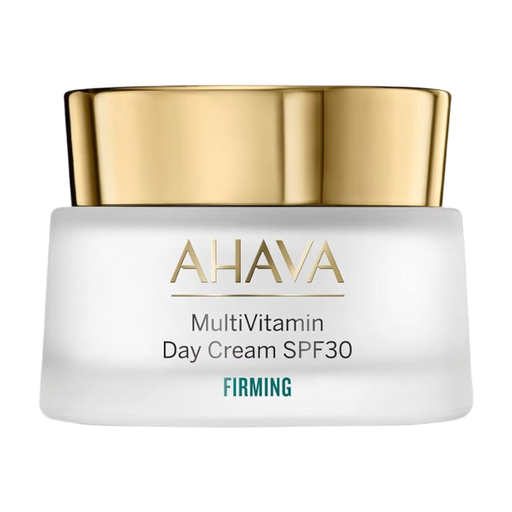
Why It Stands Out The AHAVA MultiVitamin Day Cream combines a broad-spectrum SPF 30 with a vitamin complex (Vitamin C, Pro-Vitamin B5, B3) and the brand's proprietary Osmoter, a blend of minerals from the Dead Sea.
Benefits
Who is it for? Individuals who want a higher level of sun protection for daily use and value a formula enriched with vitamins and minerals.
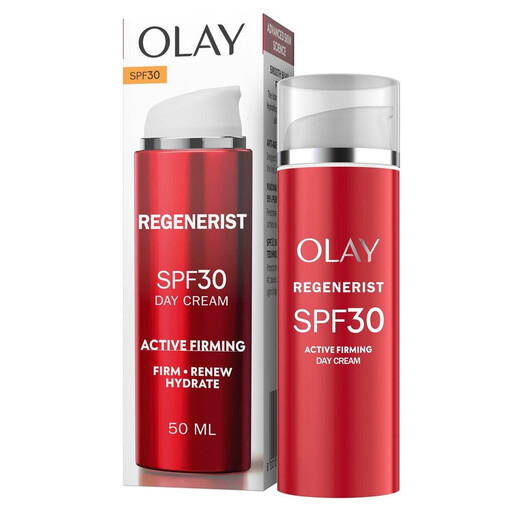
Why It Stands Out This day cream from Olay Regenerist uses a formula with Niacinamide and peptides to firm and moisturise the skin. The Solasheer technology with SPF 30 protects against UV rays without leaving a white cast.
Benefits
Who is it for? Users who prefer a proven active ingredient combination of Niacinamide and peptides in an anti-wrinkle day care with a high sun protection factor.
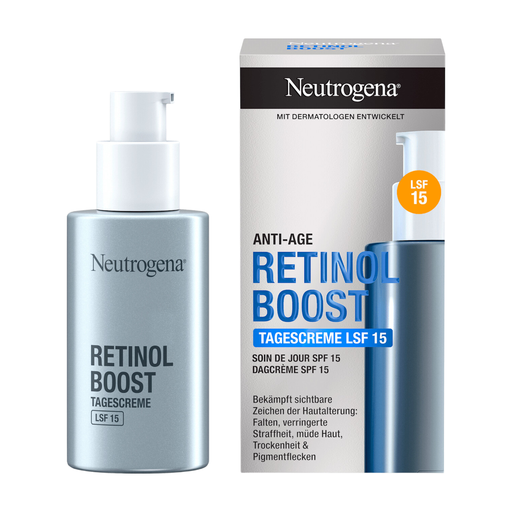
Why It Stands Out This day cream with retinol from Neutrogena contains 0.1% pure retinol, myrtle leaf extract, and hyaluronic acid. It was developed to combat visible signs of ageing while providing basic sun protection with SPF 15.
Benefits
Who is it for? Individuals who want to integrate the effects of retinol into their skincare routine. Due to the active ingredient, it is recommended to introduce the product gradually, especially for first-time retinol users.
If our recommendations don't include the right product for you, you may find other options that meet your specific needs in our broader selection of day creams with sun protection factor.
Discover our full range of SPF day creams here
1. Can a day cream with SPF replace sunscreen? For everyday use with short periods outdoors, a day cream with SPF 15 to 30 offers good basic protection. However, for prolonged and direct sun exposure, such as at the beach or during sports, it is essential to use a dedicated, water-resistant sunscreen with a high SPF that is reapplied regularly.
2. At what age should you start using an anti-ageing day cream? Skin ageing is an individual process. Generally, you can start with preventative care in your late 20s or early 30s, when you notice the first fine lines or a loss of elasticity. However, daily sun protection is an important step at any age to prevent premature, light-induced skin ageing (photoageing).
3. What is the difference between Retinol and Bakuchiol? Retinol is a form of Vitamin A and a well-researched active ingredient that can stimulate the skin's cell renewal. Bakuchiol is a plant-based ingredient often positioned as a gentler alternative to retinol. It is valued for its similar functional properties in reducing the signs of skin ageing and is considered particularly well-tolerated.