
Lieferung heute & morgen

Qualitätsgarantie

Willkommens-Angebote freischalten: KOSTENLOSE Lieferung | Bis zu 80 % RABATT | Kostenlose 30-Tage-JoyPlus-Testphase
App herunterladen
Dark circles, dryness, puffiness and fine lines all have different causes. Yet many products are marketed with similar promises. When buying an anti-ageing eye care product, you shouldn't just look out for terms like "lifting", "glow" or "collagen" – you need to examine the formula, how to use it and what it's actually designed to do.
An eye cream for dark circles moisturises the skin, but it won't automatically change the underlying cause of the discolouration. Dark circles can be caused by pigment, visible blood vessels, shadows or a thin, dry layer of skin, among other things. A concealer for dark circles, on the other hand, provides immediate coverage, but it's no substitute for a hydrating moisturiser.
With retinal, peptides, caffeine or collagen, it's not just about prominent placement on the packaging. What really matters are the INCI list, the concentration – if stated – the product's stability and how well it suits your skin. A retinal eye cream, for example, should be introduced slowly into your routine. What's more, the term "collagen" in a cream doesn't automatically mean a permanent change to your skin's structure.
Using eye patches, eye serum, cream, acid peel and vitamin A products all at once isn't necessarily a good idea. The eye area is often more sensitive than other parts of your face. A clear, simple skincare plan with just a few well-matched steps makes it much easier to assess how your skin is tolerating the products.
For dry skin around the eyes, humectants such as glycerin, hyaluronic acid (or sodium hyaluronate) and hydrating moisturising ingredients are key criteria. A hyaluronic acid serum can be suitable for your whole face, but should only be used near the eye area according to the manufacturer's instructions.
Squalane, certain oils, ceramides and silicones can smooth the skin's feel and make the surface appear more supple. If you're prone to milia, use very rich textures sparingly.
An airless dispenser, a tube or individually packaged ampoules can reduce contact with air and your fingers. With jars, you need to be particularly careful to use clean hands. Eye patches are usually for single or limited use, so they're better suited to an occasional skincare routine.
Before buying, you should also check the fill volume, shelf life, origin, the responsible person in the EU and the full ingredients list on the packaging. Product information can change depending on the batch.
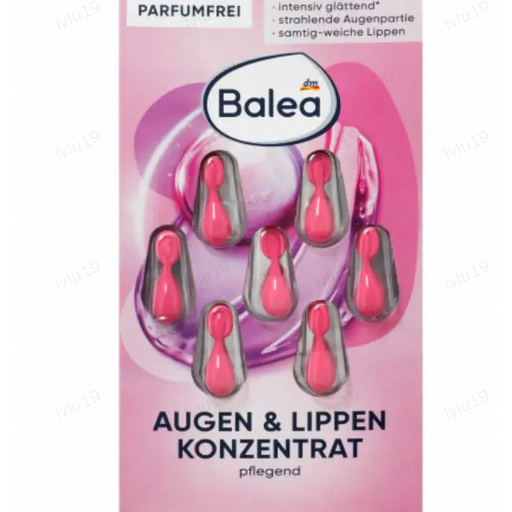
Why this product fits the profile: The seven individually portioned capsules are ideal if you want a clearly dosed, occasional treatment for the eye area and lips.
The portioning prevents unclear dosing. According to the product description, the formula is fragrance-free and contains squalane, vitamin E, evening primrose oil and caffeine, among other ingredients.
Single doses, fragrance-free formula according to the supplier, and application after cleansing.
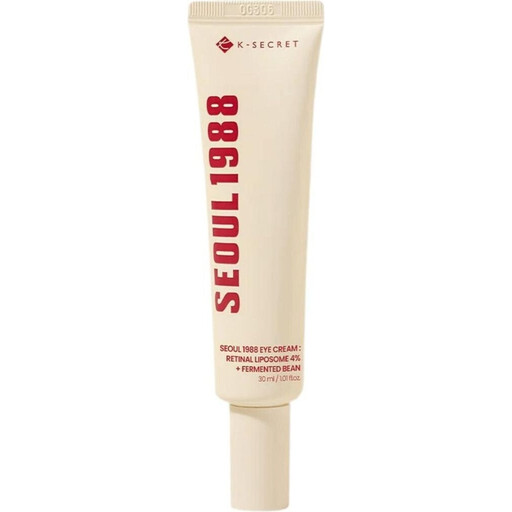
Why this product fits the profile: Suitable if you want a Korean eye care product that combines retinal, niacinamide, adenosine and fermented extracts in one cream.
The ingredients list makes the active ingredient groups clear. Retinal should be introduced in the evening, in small amounts and after a patch test.
30 ml tube, retinal in the INCI list and several nourishing and moisture-binding components.
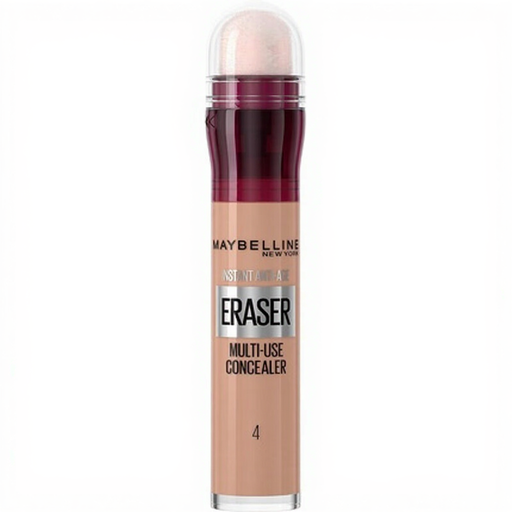
Why this product fits the profile: For work, appointments or travel, when you need to quickly cover dark circles and want a fast application.
The product is clearly used as a concealer and not confused with a nourishing eye cream. The shade 04 Honey should be matched to your own skin tone before buying.
6.8 ml content, integrated sponge applicator and liquid texture according to the product details.
Eye patches can be used for a limited hydration routine. A product like the Beauty of Joseon Ginseng Retinal Revive Under Eye Patch contains ginseng, ceramides, bakuchiol and retinal according to its ingredients list. If you have sensitive skin, it's wise to start cautiously. The patches should not be placed directly on the mucous membrane.
For daily moisturising eye care, a single suitable product is often enough. Supplementary serums such as a peptide serum or a general hyaluronic acid serum shouldn't automatically be added if your eye cream already contains similar humectants.
We've put together a complete, regularly updated list of products that fully meet these strict selection criteria and the safety regulations in force in the EU.
For dryness, formulations with glycerin, sodium hyaluronate, squalane or ceramides are obvious choices. A light texture can be more pleasant in the morning, while a richer cream is better used in the evening. What matters most is how well your skin tolerates it.
The expiry date and the PAO symbol on the packaging are key – for example, "6M" or "12M". Products that have changed colour, smell or consistency should not be used, regardless of the date. With retinal, it's especially important to store the product away from light and keep it tightly closed.
A concealer can immediately cover the visible colour. An eye cream, on the other hand, supports the daily care of dry skin but doesn't guarantee coverage. For a short-term optical effect, a colour-matched concealer for dark circles is therefore more practical; for your routine, the focus should be on how well the skincare suits your skin.