
Lieferung heute & morgen

Qualitätsgarantie

Willkommens-Angebote freischalten: KOSTENLOSE Lieferung | Bis zu 80 % RABATT | Kostenlose 30-Tage-JoyPlus-Testphase
App herunterladen
Fine lines, dry skin, dark circles or morning puffiness are common reasons for seeking out an anti-ageing eye cream. However, the choice can be overwhelming: many products promise visible firming, instant smoothing or a "lifting effect" without clearly explaining their formulation.
As a Joybuy Product Recommendation Officer, I’ve therefore filtered out the most important buying criteria. What matters isn’t a flashy marketing claim, but the combination of suitable active ingredients, a well-tolerated texture, correct application and realistic expectations.
Retinol, retinal, bakuchiol, peptides or hyaluronic acid are no guarantee of a specific outcome. An eye cream for wrinkles can make the skin appear smoother by adding moisture. However, that doesn’t automatically mean deep wrinkles will disappear permanently.
Similarly, an eye cream for dark circles can only help to a limited extent. Dark areas can be caused by pigmentation, visible blood vessels, shadows, lack of sleep or individual anatomy. A skincare product should therefore be chosen based on your specific skin concerns.
Plant extracts and essential oils can be part of a pleasant skincare routine, but some contain fragrance allergens that must be declared. If you have sensitive skin, it’s worth checking the INCI list. Fragrance ingredients such as limonene, linalool or citral can be problematic for some people.
Anyone looking for an eye cream for sensitive skin should also opt for a formulation that is as simple as possible and a fragrance-free alternative.
An eye cream with retinol or a retinal-based product should not automatically be used morning and night. Vitamin A derivatives can irritate the skin and increase sensitivity to light. For beginners especially, a gradual introduction is advisable.
During the day, a suitable sunscreen should be part of your routine. If you are pregnant or breastfeeding, you should seek medical advice before using vitamin A derivatives.
Ingredients are generally listed in descending order of quantity. Individual substances at the end of the list are not automatically ineffective, but their exact amount cannot be determined from this. Pay particular attention to:
For the eye area, a small amount is usually sufficient. The cream should not be applied directly to the moving eyelid or into the eye. Applying it with your ring finger and gently tapping it in reduces mechanical pulling on the skin.
A 15 ml tube or a 20 ml container can last several weeks or longer, depending on the daily amount used. The printed expiry date and the period after opening are what matter. For retinal or retinol products, storage away from light is particularly advisable.
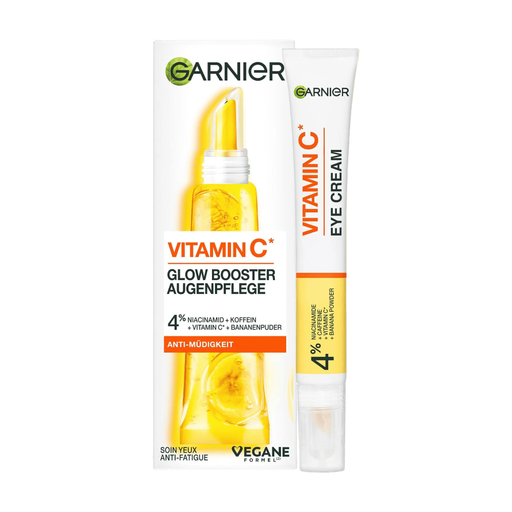
Why this product fits the profile: According to the product information, the formulation combines niacinamide, caffeine, a vitamin C derivative and hyaluronic acid. This makes it suitable for those looking for a light everyday treatment for tired-looking eyes.
The product description specifically names the ingredients used, rather than relying on a vague anti-ageing promise. The full INCI list should still be checked before purchase.
15 ml content; contains niacinamide, caffeine, ascorbyl glucoside and hydrolysed hyaluronic acid according to the manufacturer.
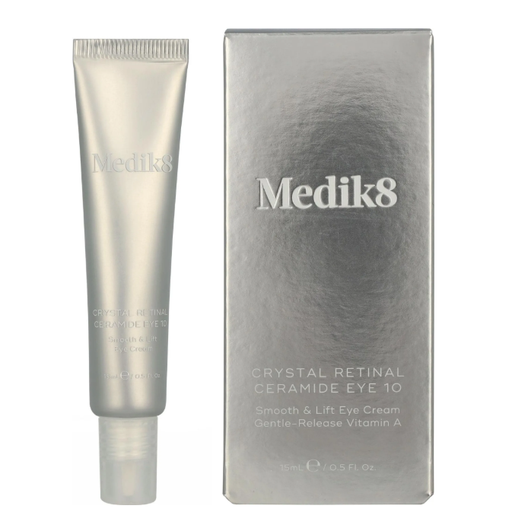
Why this product fits the profile: According to the product description, this night treatment uses encapsulated retinal, ceramides, shea butter, squalane and hyaluronic acid. It is aimed at those who prefer a structured retinal routine.
The application recommends a gradual increase: start with twice a week, then every other evening, and only then more frequently depending on tolerance.
Retinal in encapsulated form; ceramides, squalane and sodium hyaluronate on the INCI list.
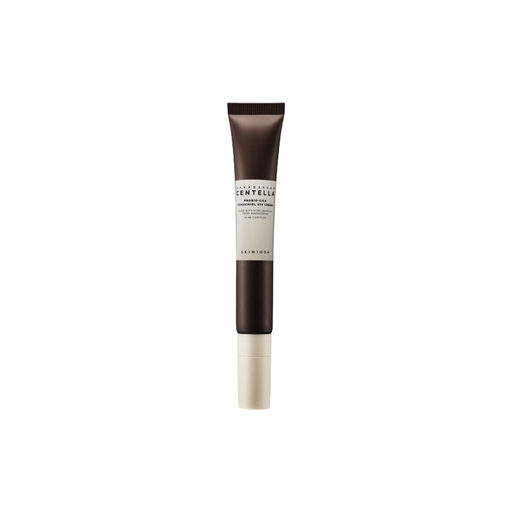
Why this product fits the profile: This gel-based treatment contains centella asiatica extract, bakuchiol, panthenol, glycerin and hyaluronic acid according to the information. It is described as a fragrance-free, lightweight texture suitable for all skin types.
The absence of artificial fragrances reduces a common trigger for skin reactions. A patch test before regular use is still advisable.
20 ml content; no artificial fragrances according to the product description; contains bakuchiol, centella and sodium hyaluronate.
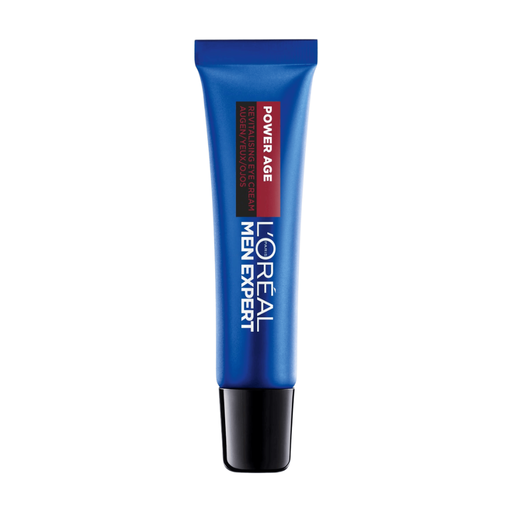
Why this product fits the profile: This treatment is positioned for men and contains, according to the INCI list, glycerin, niacinamide, caffeine and sodium hyaluronate, among others. It suits a straightforward daily routine for dry-looking eye contours.
The selection is based on understandable ingredients and the intended use, not solely on the target audience. The denatured alcohol listed relatively early in the ingredients should be noted if you have dry or very sensitive skin.
15 ml content; contains caffeine, niacinamide, adenosine and hyaluronic acid according to the product information.
We have compiled a complete, regularly updated list of products that fully meet these strict selection criteria and the safety regulations in force in the EU.
Apply a small amount to clean skin and avoid the immediate eye rim. When using a new eye treatment for crow's feet or one containing retinol or retinal, it is advisable to start with application on just a few evenings per week. If you experience burning, redness or persistent irritation, discontinue use.
Cosmetic eye care is not intended to treat medical conditions, severe swelling or sudden changes in the skin. In such cases, it is advisable to consult a doctor.
A fragrance-free formulation that is as simple as possible and contains no active vitamin A derivatives can be a good starting point. Check the INCI list and test the product on a small area of skin first. Even natural fragrance ingredients can trigger reactions in sensitive skin.
Moisturising products without retinol are often used morning and evening, provided your skin tolerates them. An eye cream with retinol or retinal should be introduced more slowly. Always follow the specific manufacturer's instructions and use sunscreen during the day.
This depends on the amount applied and the frequency of use. A small amount is usually sufficient for both eyes. What matters is the period after opening and the expiry date printed on the packaging. If the smell, colour or consistency changes, the product should no longer be used.