
Lieferung heute & morgen

Qualitätsgarantie

Willkommens-Angebote freischalten: KOSTENLOSE Lieferung | Bis zu 80 % RABATT | Kostenlose 30-Tage-JoyPlus-Testphase
App herunterladen
The skin around your eyes is thinner and often reacts more quickly to dryness, friction or unfamiliar ingredients than other areas of your face. So an anti-ageing eye cream shouldn’t be chosen on the basis of brand name, price or marketing claims alone. The formula, how you use it and how well your skin tolerates it all matter.
Terms such as ‘lifting’, ‘rejuvenation’ or ‘instant wrinkle reduction’ don’t necessarily mean you’ll see a lasting change. Cosmetics can improve how your skin feels and temporarily soften the appearance of fine lines with moisture or smoothing textures. However, an eye cream for wrinkles is no substitute for medical treatment.
A retinol eye cream or a product containing retinal may be worth considering for some skin types, but it won’t suit everyone. Redness, dryness or stinging can occur, particularly around the eyes. It’s sensible to use it infrequently at first, test it on a small area of skin and wear suitable sun protection during the day. As a precaution, speak to a healthcare professional about products containing vitamin A derivatives if you’re pregnant or breastfeeding.
An eye cream for dark circles can affect their appearance in different ways, depending on the cause. Pigmentation, visible blood vessels, shadows caused by facial structure and lack of sleep are not the same thing. An eye cream for puffiness can’t diagnose or treat allergic reactions or persistent symptoms either. If changes appear suddenly or last for a long time, seek medical advice.
For dry skin, humectants such as glycerin, hyaluronic acid or certain sugar alcohols can be useful. Squalane, shea butter and plant oils can give a richer texture. A moisturising eye cream is particularly useful if dryness lines and tightness are your main concerns.
Formulas for early visible lines often contain peptides, bakuchiol or vitamin A derivatives. A peptide eye cream may be a suitable option if you prefer a retinoid-free formula. Bakuchiol is often marketed as a plant-based alternative to retinol, but how well your skin tolerates it is still what matters.
If you have sensitive skin, it’s worth checking the INCI list. Parfum, essential oils and fragrance allergens that must be declared, such as limonene, linalool or coumarin, can be problematic for some people. ‘Natural’ doesn’t automatically mean gentle. An eye cream for sensitive skin should ideally have a straightforward formula and be applied without getting it directly into your eyes.
Eye creams usually come in 15 to 20 ml sizes. The amount you use matters just as much as the size: a small amount is usually enough for both eyes. A hygienic pump dispenser or tube can make it easier to dispense the product. For products containing retinol or retinal, it’s especially important to check the advice on sun protection, storage and introducing the product gradually.
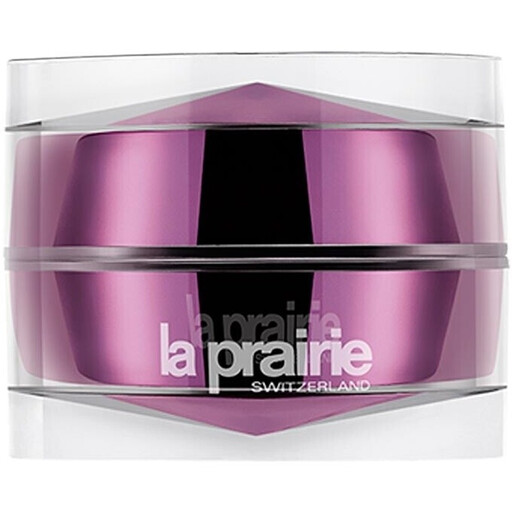
Why it suits this profile: This richer luxury eye cream is designed for buyers who prefer a comprehensive formula with peptides and humectants, and a creamy texture.
The INCI list is available and includes sodium hyaluronate, squalane, shea butter and several peptides. Fragrance is also listed, so bear this in mind if you have sensitive skin.
20 ml size and a formula with several peptides, alongside nourishing and moisture-binding ingredients.
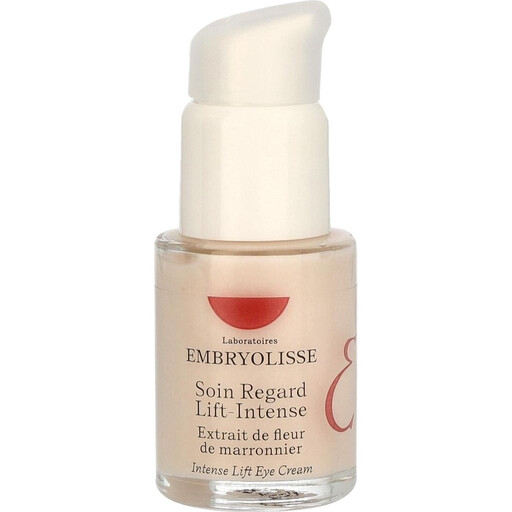
Why it suits this profile: It’s designed for use morning and evening. According to the product description, it can also be applied around the lip contour.
The product details state that the formula is fragrance-free and has been dermatologically and ophthalmologically tested. Even so, check the current packaging details before buying.
Hyaluronic acid, horse chestnut extract and evening primrose oil. According to the product description, it’s also suitable for the lip contour.
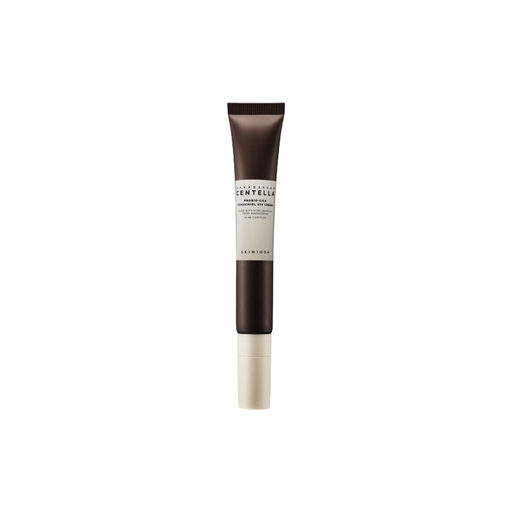
Why it suits this profile: This lightweight gel-cream combines bakuchiol with fermented Centella asiatica extract, panthenol, glycerin and hyaluronic acid.
The product description states that the formula is fragrance-free and suitable for sensitive skin. If your skin is already sensitive, a patch test is still recommended.
20 ml size, lightweight texture and a formula listing bakuchiol, Centella asiatica extract and sodium hyaluronate.
We’ve put together a complete, regularly updated list of products that meet these strict selection criteria and fully comply with the safety regulations in force in the EU.
It depends on the formula. You can usually use moisturising eye care morning and evening, as long as your skin tolerates it. Retinol or retinal products should be applied less often at first. Follow the manufacturer’s instructions and pay attention to how your skin reacts.
Check the packaging, particularly the PAO symbol. If the product’s smell, colour or consistency changes, stop using it. Take products from jars out as hygienically as possible, and keep them away from heat and direct sunlight.
Look for glycerin, hyaluronic acid, panthenol, squalane or skin-conditioning lipids. A fragrance-free formula may make it easier to find a suitable option. Test new products on a small area of skin first. If irritation persists, stop using the product and seek dermatological advice if needed.