
Lieferung heute & morgen

Qualitätsgarantie

Willkommens-Angebote freischalten: KOSTENLOSE Lieferung | Bis zu 80 % RABATT | Kostenlose 30-Tage-JoyPlus-Testphase
App herunterladen
Fine lines, dry skin, dark circles or puffiness can have a variety of causes. An anti-ageing eye cream should therefore not be chosen based solely on brand name, packaging or marketing claims. What really matters are the ingredients, how well they suit your skin, and how the product fits into your daily routine.
A percentage figure may sound impressive at first. However, it is only meaningful if you know which ingredient it refers to and in what form that ingredient is present. With retinol, retinal or bakuchiol, formulation, stability and your personal tolerance are equally important.
A retinol eye cream or a retinal-based product can be appealing for certain skin types, but it should be introduced gradually. Sensitive skin may experience redness, dryness or tightness. The information on the product packaging and the usage instructions are therefore more important than a flashy marketing claim.
Dark circles can be caused by pigmentation, visible blood vessels, shadowing, lack of sleep or a thin skin structure. An eye cream for dark circles can nourish the skin and, depending on its formulation, help create optical effects, but it won't permanently change every underlying cause.
Caffeine, niacinamide, vitamin C derivatives or light-reflecting pigments are commonly used in such products. For visible puffiness, the texture, the amount applied and a gentle application technique are also important.
A very rich cream can be wonderfully nourishing for dry skin. However, for those prone to milia or with an eye area that quickly becomes oily, it may be too heavy. A light, hydrating eye care product with glycerin, hyaluronic acid or sodium hyaluronate may be a better fit for everyday use.
Retinal and retinol are vitamin A derivatives. They are typically used in night care and should be introduced into your routine gradually. When using products with retinoids, it is advisable to apply sun protection during the day. Direct contact with the eyes must be avoided.
A bakuchiol eye cream can be interesting for those seeking an alternative formulation without retinol. However, bakuchiol is not automatically irritation-free. Here too, the manufacturer's instructions and your individual skin tolerance apply.
Cosmetic products for the German market must, among other things, comply with the requirements of the EU Cosmetics Regulation (EC) No. 1223/2009. The packaging should include the full INCI list, the best-before date or the symbol indicating the period after opening, as well as details of the responsible person.
For a night eye cream with retinal or retinol, packaging that protects from light and air is practical. After opening, the product should be used according to the labelling and stored away from direct sunlight.
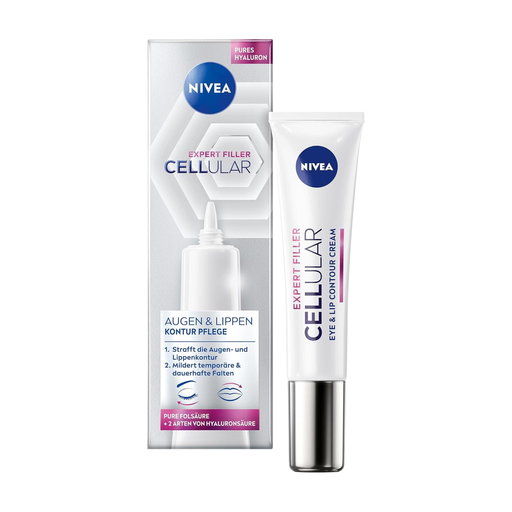
Why this product fits the profile: The formulation contains glycerin, shea butter and sodium hyaluronate, and can be easily integrated into a simple morning and evening skincare routine.
The specified humectants mean the care does not rely on an aggressive active-ingredient routine.
Dual hyaluronic acid, folic acid and shea butter; designed for both the eye and lip contour.
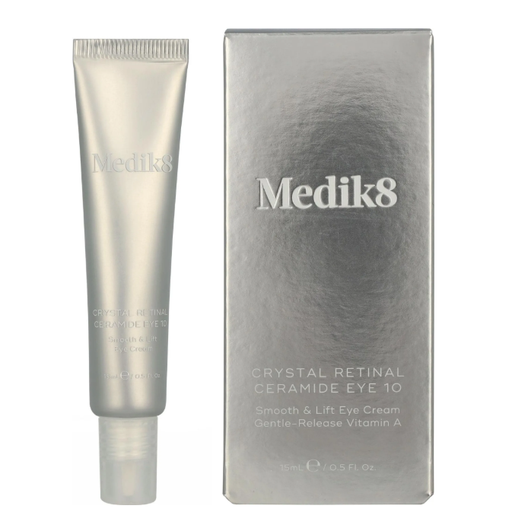
Why this product fits the profile: As a designated night care product, it combines retinal with ceramide NP, shea butter, squalane and sodium hyaluronate.
The product information recommends gradual introduction for new users and advises using sun protection during the day.
Retinal-based night care with ceramide, squalane and hyaluronic acid.
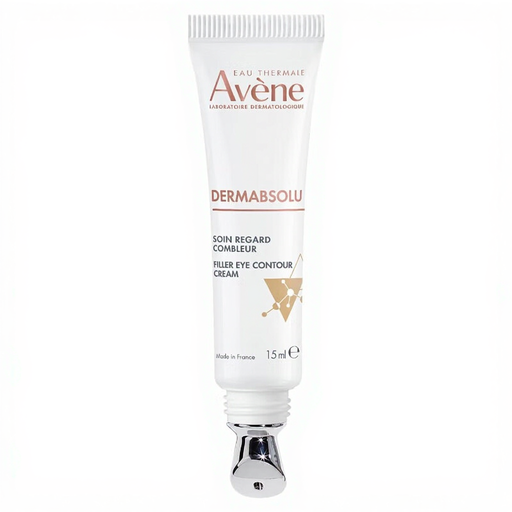
Why this product fits the profile: The cooling metal applicator supports an even, gentle application in the morning or evening.
The applicator reduces the need for rubbing; however, only light pressure should be used.
Bakuchiol, sodium hyaluronate and dextran sulfate; with a cooling metal applicator.
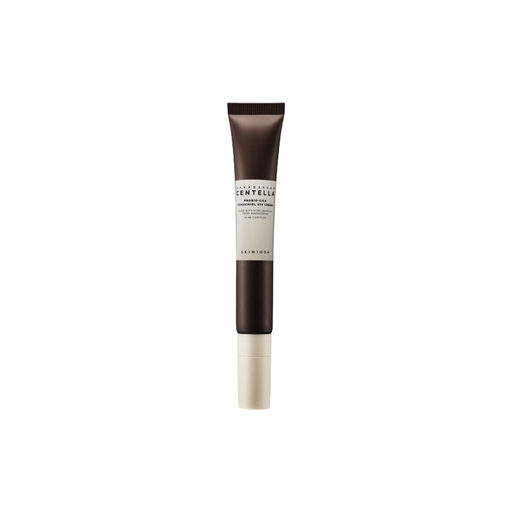
Why this product fits the profile: The product information mentions a light gel texture with no artificial fragrances, as well as centella, bakuchiol and sodium hyaluronate.
The light texture can be an alternative to very rich creams; discontinue use if any intolerance occurs.
Bakuchiol, centella and panthenol; designed for daily use in the morning and evening.
We have compiled a full, regularly updated list of products that fully meet these strict selection criteria and the safety regulations in force in the EU.
If you are pregnant or breastfeeding, products containing retinol or retinal should be discussed with a medical professional as a precaution. Cosmetic eye care is not a substitute for a dermatological consultation.
Hydrating products can be used morning and evening, depending on your skin's tolerance. A retinol or retinal eye cream should be introduced more slowly. The specific frequency depends on the product instructions and how your skin feels.
The key indicator is the symbol of an open jar, for example "6M" or "12M", along with the printed best-before date. Products containing retinoids should be especially protected from heat, light and unnecessary exposure to air.
The price depends on factors such as ingredients, pack size, brand and formulation. A higher price alone does not guarantee a better fit. It is more useful to compare the INCI list, fill quantity, frequency of use, skin tolerance and desired active ingredient.