
Lieferung heute & morgen

Qualitätsgarantie

Willkommens-Angebote freischalten: KOSTENLOSE Lieferung | Bis zu 80 % RABATT | Kostenlose 30-Tage-JoyPlus-Testphase
App herunterladen
Fine lines, dry skin, enlarged pores or tired-looking eyes can quickly lead to an overstuffed bathroom cabinet. Many products promise “glow”, “lifting” or “immediately smoother skin”. However, such claims don’t automatically tell you whether a product suits your skin type, your daily routine or your existing regimen.
The right anti-ageing face care should therefore be chosen according to clear, understandable criteria: ingredients, concentration, skin tolerance, texture and how you apply it. It’s also crucial not to combine several highly active products at the same time.
Retinal, retinol, vitamin C, collagen, PDRN and hyaluronic acid are often promoted together as particularly advanced skincare. However, these terms represent very different product concepts:
Using vitamin C in the morning, an exfoliant at lunchtime and retinal in the evening doesn’t automatically increase the effectiveness of your skincare. For sensitive skin, this can lead to irritation, dryness or redness. Particularly when starting a new retinal serum, it’s best to begin slowly with small amounts and use it only on certain days.
The skin around your eyes is delicate. An eye serum for wrinkles or an eye cream for dark circles should be applied precisely and with minimal pressure. Products containing fragrances, alcohol or strong active ingredients aren’t suitable for everyone. If any product gets into your eyes, rinse thoroughly immediately.
With vitamin A products, the specific form matters. For example, the celimax Booster lists 0.1% retinal in its ingredient description. The product description recommends a gradual introduction period and evening use. These are far more practical details than a vague claim of “highly concentrated skincare”.
Retinal products shouldn’t be combined carelessly with other strong exfoliants or high-strength vitamin C. During pregnancy, if you’re trying to conceive, or while breastfeeding, vitamin A products should only be used after consulting a doctor.
A good routine needs not only active ingredients but also a suitable moisturiser. Glycerin, panthenol, ceramides and various forms of hyaluronic acid are typical components of hydration-focused formulations. For dry or mature skin, a creamier texture can feel more comfortable; for combination skin, a lighter gel-cream is often preferred.
Vitamin A products are typically used in the evening. The next morning, a suitable sunscreen should be part of your routine. According to its product information, the Garnier Skin Active Vitamin C Glow Serum Cream contains UV filters with medium sun protection. However, you should still check the specific SPF on the packaging. A separate sunscreen product may be necessary depending on how long you spend outdoors.
Korean skincare and K-Beauty often follow the principle of applying several thin layers. This only works if each product absorbs properly and your skin doesn’t look over-treated.
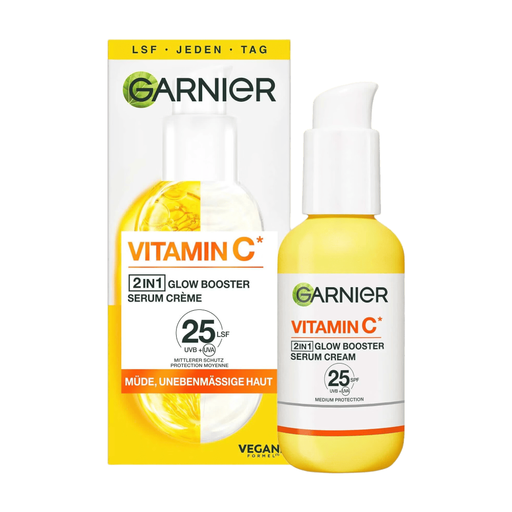
Why this product fits the profile: The combination of serum-cream, glycerin, sodium hyaluronate and a vitamin C derivative makes it an uncomplicated entry point into a morning face care routine.
The ingredient list makes the formulation transparent. Instead of layering several serums, care, hydration and a stated medium UV protection are combined in one product.
50 ml content, glycerin and sodium hyaluronate; ascorbyl glucoside is listed in the ingredients.
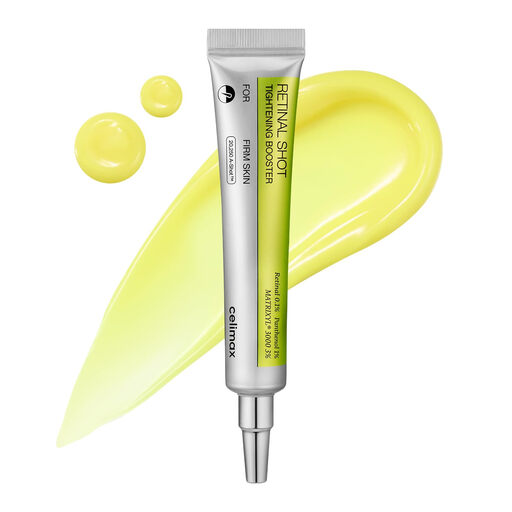
Why this product fits the profile: For users looking for a clearly labelled retinal product with a defined concentration and evening application.
The product details state 0.1% retinal, along with guidance on patch testing, gradual increase and avoiding simultaneous use with strong exfoliants.
Retinal, niacinamide, panthenol and peptide components are included in the stated INCI list; 15 ml content.
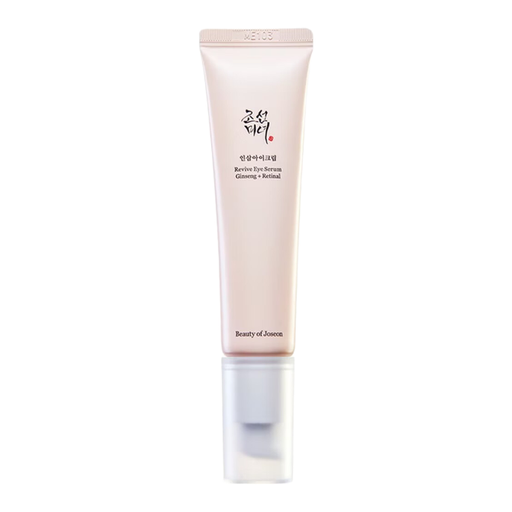
Why this product fits the profile: This eye serum is aimed at those who want to care for their eye area specifically and prefer a product from the Korean skincare or K-Beauty category.
The application is explicitly described for the eye area or the entire face. The manufacturer also advises avoiding broken or irritated skin and contact with the eyes.
30 ml content; ginseng extract, niacinamide, retinal, adenosine and ceramides are listed in the ingredients.
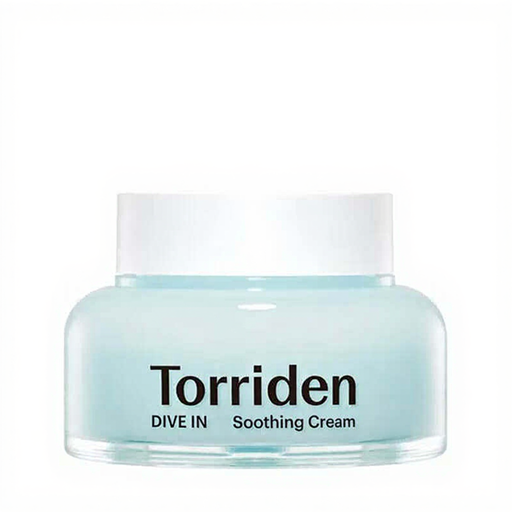
Why this product fits the profile: A larger moisturiser can suit those who want a simple, hydration-focused daily care product for their face and neck.
The formulation uses several hyaluronic acid variants and contains no retinoid. This makes it easier to combine with a separate active ingredient serum.
100 ml content; hydrolysed hyaluronic acid, sodium hyaluronate, panthenol and allantoin are listed in the ingredients.
We’ve put together a complete, regularly updated list of products that fully meet these strict selection criteria and the safety regulations in force in the EU.
After cleansing, apply a light serum first, followed by a moisturiser. In the morning, follow with sunscreen. Retinal or retinol products are usually used in the evening. New active ingredients should be introduced one at a time so you can better identify how your skin reacts.
The printed best-before date and the symbol for the period after opening are what matter. For retinal and vitamin C, the packaging should be closed tightly after each use and protected from heat and direct light. A change in colour, an unusual smell or a noticeably different texture are signs that the product should be replaced.
For skincare for mature skin, hydration and a pleasant texture are important selection criteria. A hyaluronic acid cream, a barrier-strengthening cream with ceramides or a richer anti-wrinkle cream may be more suitable than several highly active serums. If irritation persists, stop using the product and seek dermatological advice.