
Lieferung heute & morgen

Qualitätsgarantie

Willkommens-Angebote freischalten: KOSTENLOSE Lieferung | Bis zu 80 % RABATT | Kostenlose 30-Tage-JoyPlus-Testphase
App herunterladen
Fine lines, dry skin, a dull complexion or enlarged pores can have many causes. So it’s important to choose the right anti-ageing face care based on more than your age or a bold marketing claim. Your skin type, the active ingredients, how often you use the product and how well it fits into your personal skincare routine all matter.
Terms such as retinol, vitamin C, peptides and hyaluronic acid sound impressive. But without details about the concentration, the exact form of the ingredient or how to use it, they don’t tell you much. For example, when choosing a retinol cream, check whether the retinol percentage is stated and whether the product is designed to be introduced gradually.
The texture of a face serum for wrinkles isn’t a reliable guide to how potent its ingredients are, either. A lightweight serum may mainly hydrate, while a richer cream can provide more nourishment to the skin’s surface.
Using a face scrub, vitamin C serum, retinol product and acid-based night cream in the same routine can put unnecessary strain on your skin. Sensitive or blemish-prone skin in particular needs a routine that’s built up gradually.
A simple routine usually includes:
A rich moisturiser for mature skin may feel comfortable on dry skin, but too heavy for oily or acne-prone skin. Conversely, a lightweight gel may not feel moisturising enough for dry skin. If you have sensitive skin, pay particular attention to ingredients such as alcohol, fragrance, essential oils and acids.
Cosmetic products can improve the appearance of your skin, but they don’t replace dermatological treatment. If you have severe acne, persistent redness or strong reactions, it’s a good idea to seek medical advice.
When choosing skincare for sensitive skin, it’s worth checking the full INCI list. Fragrance and ingredients that must be declared as allergens can also be found in plant-based formulas. Before applying a product over a larger area, it’s a good idea to test it on a small patch of skin.
With retinoids and acids, avoid combining several potentially irritating active ingredients on the same evening. Use an acne night treatment containing glycolic acid, mandelic acid, salicylic acid or niacinamide according to the manufacturer’s instructions. When trying new products, it’s sensible to allow rest days between applications.
Jars, pump dispensers and tubes all affect how hygienically a product can be used. Ingredients that are sensitive to light and air often benefit from well-sealed packaging. Also check:
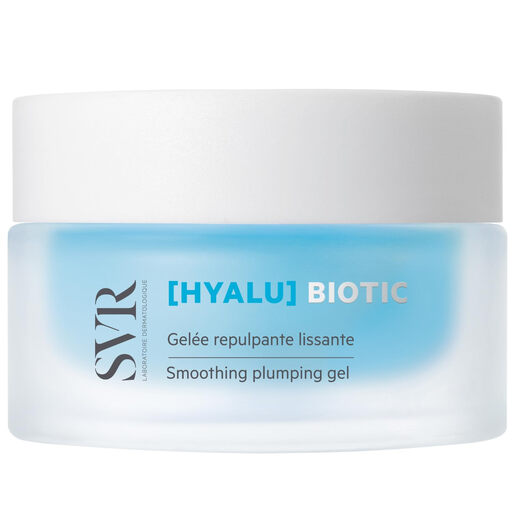
Why this product suits this profile: Its lightweight gel texture is ideal if you’re looking for simple moisturising care for normal, dry or sensitive skin.
The product information highlights double hyaluronic acid, a vitamin C derivative and a hypoallergenic formula. Its straightforward approach makes it easier to get started without combining several active products.
50 ml size, gel texture and suitable for use on the face and neck in the morning and/or evening.
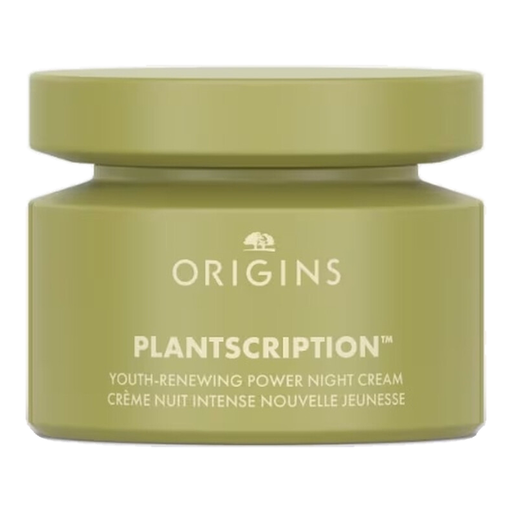
Why this product suits this profile: This rich night cream is aimed at anyone who prefers comfortable, nourishing skincare in the evening.
According to the product description, the formula uses plant extracts and is free from parabens, phthalates, mineral oil and petrolatum. It’s clearly intended for evening use.
50 ml size, rich texture and a formula with no animal-derived ingredients, according to the supplier.
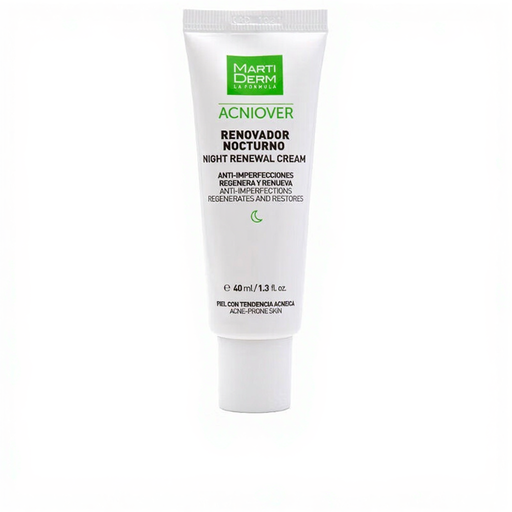
Why this product suits this profile: This acne night treatment is designed for oily, blemish-prone skin and combines several acids with niacinamide.
It’s more clearly targeted at blemish-prone skin than a general anti-wrinkle product. As it contains acids, introduce it gradually and don’t use it alongside other exfoliators.
The product description lists glycolic acid, mandelic acid, salicylic acid and niacinamide as key ingredients.
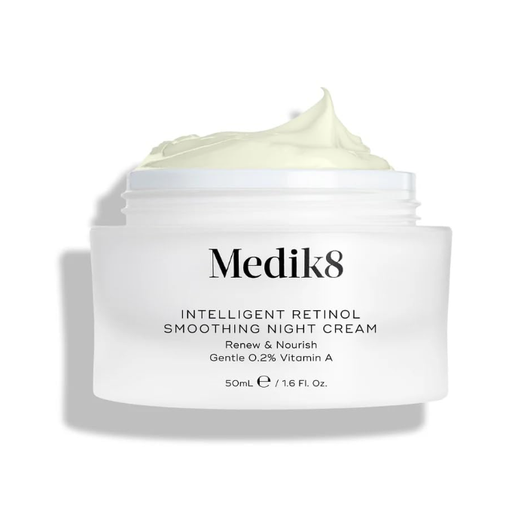
Why this product suits this profile: The stated concentration of 0.2% time-release retinol and a gradual usage plan make it a good choice if you want to introduce retinol to your routine in a controlled way.
The retinol concentration is stated, and the recommendation is to start by using it twice a week. This helps reduce the risk of using it too often too soon.
0.2% time-release retinol, vitamin E and squalane; sun protection is recommended during the day.
It depends on the product and what you want to achieve. Moisturisers can make your skin feel more comfortable straight away. With retinol, vitamin C or exfoliators, regular use over several weeks is worthwhile, as long as your skin tolerates them well. If your skin’s condition worsens noticeably, stop using the product for a while.
A short INCI list without too many active ingredients can make choosing a product easier. Check fragrance, essential oils and acids carefully. A lightweight moisturising gel, such as a hyaluronic acid face care product, may suit some people better than a formula with several highly active ingredients. However, you can’t tell whether a product will suit you just from its name.
No. Price alone doesn’t tell you anything about the concentration, stability or skin compatibility of a product, or whether it suits your skin type. Compare the size, INCI list, ingredient details, packaging and directions for use. This will help you choose anti-wrinkle skincare more objectively and fit it into your daily routine.