
Lieferung heute & morgen

Qualitätsgarantie

Willkommens-Angebote freischalten: KOSTENLOSE Lieferung | Bis zu 80 % RABATT | Kostenlose 30-Tage-JoyPlus-Testphase
App herunterladen
Fine lines, dry skin and an uneven complexion lead many people to choose an anti-ageing face cream. However, the choice is extensive: an anti-wrinkle face cream may contain retinol, peptides, collagen, PDRN or hyaluronic acid – each of these active ingredients takes a different approach to skincare. What matters is therefore not a striking marketing term on the packaging, but the combination of ingredients, skin compatibility, texture and application.
As a Joybuy Product Recommendation Officer, I filter market information according to transparent, verifiable criteria. This helps you avoid common unsuitable purchases and compare products more effectively.
Terms such as “collagen cream”, “PDRN cream” or “firming face cream” initially describe how a product is positioned. They do not automatically guarantee a specific change in the appearance of the skin. With collagen, it is also relevant in what form it is included and where it appears in the INCI list. A cream can care for and moisturise the skin’s surface without demonstrably altering the body’s own collagen production.
Very dry or mature skin can benefit from nourishing lipids, squalane, shea butter or ceramides. On combination or oily skin, however, a particularly rich formula may feel heavy. A lightweight gel cream with glycerin and hyaluronic acid is not inherently less nourishing – it simply takes a different approach to texture and hydration.
Retinol cream is often bought because it is considered suitable for fine lines and uneven skin texture. However, especially when used by those who are not accustomed to it, retinol can cause dryness, redness or flaking. A low concentration such as 0.1% retinol is more suitable for a cautious introduction than a high concentration that is not specified in more detail. During the day, sun protection with a suitable SPF is advisable. If you are pregnant, breastfeeding or have existing skin problems, you should discuss using it with a medical professional.
First, match the cream to your main skincare goal:
PDRN, also known as Sodium DNA, is included in some K-Beauty face creams. The product description should clearly state which ingredient is actually used. In cosmetics, claims relating to “regeneration” or “repair” should not be equated with medical treatment.
The complete list of ingredients according to INCI is more important than the front of the packaging. Ingredients are generally listed in descending order, although components present in low concentrations may be treated separately. If you are sensitive to fragrances, look out for terms such as Parfum, Limonene, Linalool, Citronellol or Geraniol.
The product description may also differ from the actual packaging. You should therefore check the current INCI list on the product before use. With new products, a patch test on a small area of skin is recommended.
A 20-ml tube may be sufficient for targeted retinol use, while 50 or 75 ml may be more practical for daily care of the face and neck. Also check:
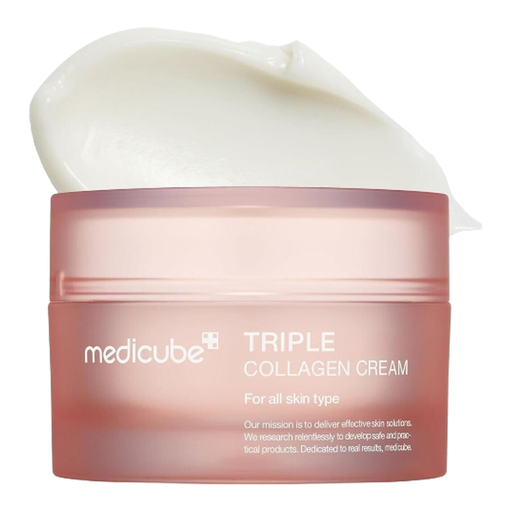
Why this product suits this profile: The cream combines three types of collagen with hydrolysed elastin, niacinamide and hyaluronic acid in a 50-ml size for regular facial skincare.
The formula does not rely solely on the word collagen. It also explicitly identifies humectants, elastin and a fragranced formulation.
According to the product information, it is free from parabens, alcohol and fragrances; however, the published INCI list includes Parfum. The packaging should therefore be checked.
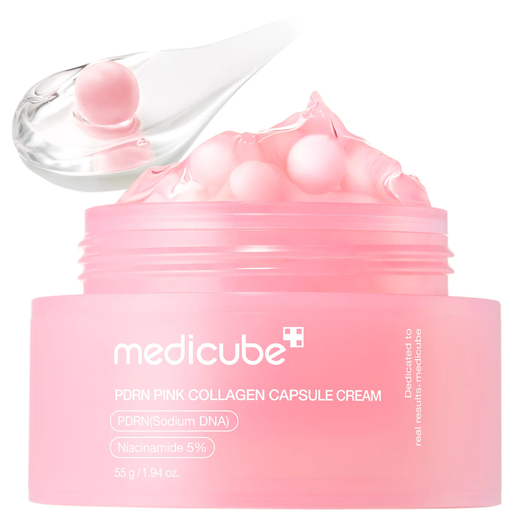
Why this product suits this profile: The gel cream combines PDRN, also known as Sodium DNA, collagen, niacinamide and several forms of hyaluronic acid for a hydration-focused routine.
The product description specifies the texture, size and active ingredient groups included, rather than using only a general anti-ageing term.
Gel cream with capsules, ceramide NP, niacinamide and hyaluronic acid; according to the product information, it can be used morning and evening as the final step in your skincare routine.
We have put together a complete, regularly updated list of products that fully meet these strict selection criteria and the safety regulations applicable in the EU.
Apply the cream after cleansing and, if appropriate, serum. When using active ingredients such as retinol, start with a small amount and apply it only a few times a week. A moisturising anti-ageing cream with hyaluronic acid, glycerin or panthenol can be used morning and evening on dry skin.
When using retinol products:
Formulations containing glycerin, hyaluronic acid, panthenol, ceramides, squalane or shea butter may be suitable. However, a rich cream for mature skin is not automatically the right choice if you do not tolerate fragrances or certain oils. The INCI list and texture should suit your individual skin preferences.
This depends on the amount used, frequency of application and area of use. A 20-ml tube for targeted retinol skincare will last differently from a 50-ml jar intended for the face and neck when used sparingly. The recommended dosage and the open-jar shelf-life symbol are the key factors.
Hyaluronic acid and PDRN, also known as Sodium DNA, can be combined with moisturising skincare in many routines. Retinol should initially be introduced separately and gradually so that you can monitor how well your skin tolerates it. If you are unsure or have sensitive skin, personalised advice from a medical professional is advisable.