
Lieferung heute & morgen

Qualitätsgarantie

Willkommens-Angebote freischalten: KOSTENLOSE Lieferung | Bis zu 80 % RABATT | Kostenlose 30-Tage-JoyPlus-Testphase
App herunterladen
An anti-ageing face cream should nourish dry skin, visibly smooth fine lines and fit comfortably into your daily routine. However, products on the market can vary considerably in texture, ingredients, fragrances and application. A high price tag or terms such as “Lift”, “Renew” and “Collagen” alone say little about whether a cream suits your individual needs.
Terms such as anti-wrinkle cream, “firming face cream” or “face cream for ageing skin” often describe how a product is positioned. They are no substitute for carefully checking the INCI list. Humectants such as glycerin, squalane or hyaluronic acid can improve how the skin feels and temporarily make dehydration lines look less noticeable. This does not automatically mean there has been a lasting change to the skin’s structure.
Retinol, vitamin A derivatives and acids are often promoted as key anti-ageing ingredients. However, they may initially feel uncomfortable on sensitive or irritated skin. A retinol cream should be introduced into your routine gradually. Suitable sun protection should be used during the day. If you are pregnant, breastfeeding or using vitamin A products from other sources, consult a medical professional before use.
A rich moisturiser for mature skin can feel pleasant on dry skin, but may feel heavy on oily or blemish-prone skin. Perfume and fragrance allergens that must be declared, such as Limonene, Linalool or Citronellol, are important points to check if you have sensitive skin. Before applying the product regularly, it is advisable to carry out a tolerance test on a small area of skin.
The order of the INCI list provides a practical indication of which ingredients are present in the largest quantities. For dry skin, ingredients such as glycerin, hyaluronic acid, shea butter, squalane, plant oils and fatty alcohols may be worth looking for. They perform different roles: glycerin binds moisture, while oils and butters can help make the skin’s surface feel softer and smoother.
When choosing a collagen cream, it is important to keep expectations realistic. Collagen in a cream is not automatically proof that the body’s own collagen is being built up in deeper layers of the skin. These products may mainly help the skin feel smoother through hydration and film formation.
Not every product states the concentration of an active ingredient. According to the product description, the Medik8 cream, for example, contains 0.2% slow-release retinol. This is a specific detail that is easier to assess than a general term such as “vitamin A complex”.
For beginners, a gradual introduction may be helpful:
A night cream for wrinkles can have a richer texture because it is usually applied without make-up or sun protection. A lightweight cream is generally more suitable for the morning or for combination skin. For sensitive skin, short, easy-to-understand INCI lists without perfume are often easier to assess. If you are prone to acne, an anti-ageing product should not automatically be considered a substitute for targeted dermatological treatment.
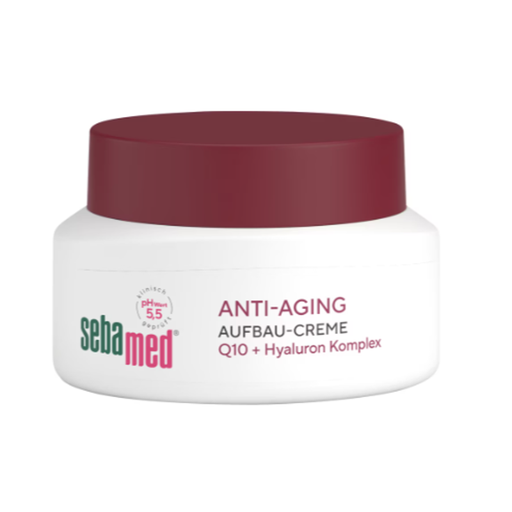
Why this product suits this profile: This cream combines a classic moisturising base with glycerin, almond and avocado oils, shea butter, sodium hyaluronate, Q10 and retinyl palmitate. It may appeal to anyone looking for nourishing daily facial care.
The product description lists specific ingredients rather than relying solely on a “lift” effect. However, the vitamin A ingredient still makes it important to consider skin tolerance and your total daily vitamin A intake.
Nourishing oils and shea butter; Q10, retinyl palmitate and sodium hyaluronate are listed in the INCI list.
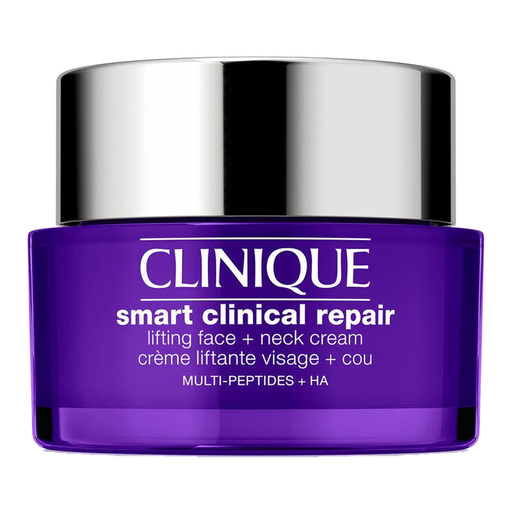
Why this product suits this profile: This cream is designed for the face and neck and contains, among other ingredients, shea butter, jojoba oil, hyaluronate and several peptides. It is well suited to a structured morning and evening routine.
The choice can be assessed using the complete INCI list provided. If you wish to avoid fragrances, you should still check the packaging before buying, as the product list is the definitive source.
Suitable for the face and neck; contains hyaluronate and peptides such as Acetyl Hexapeptide-8 and Palmitoyl Tetrapeptide-1.
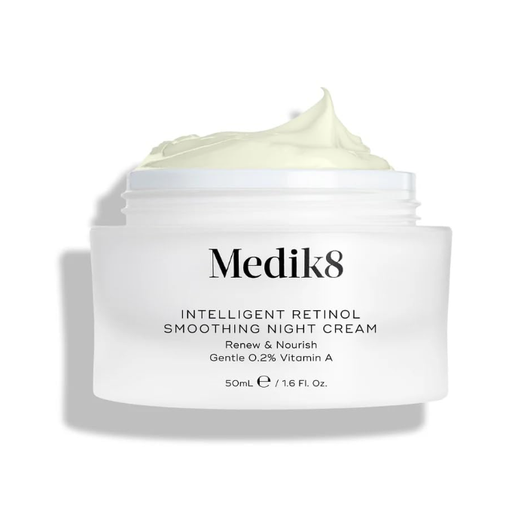
Why this product suits this profile: This night cream is aimed at people who want to introduce retinol into their anti-ageing routine in a targeted, gradual way. According to the product description, it contains 0.2% slow-release retinol.
The stated concentration makes the product easier to assess. The recommended gradual increase helps prevent a retinol cream from being used too frequently or without considering your skin’s tolerance.
Specific retinol concentration; can be applied to the face, neck and décolletage.
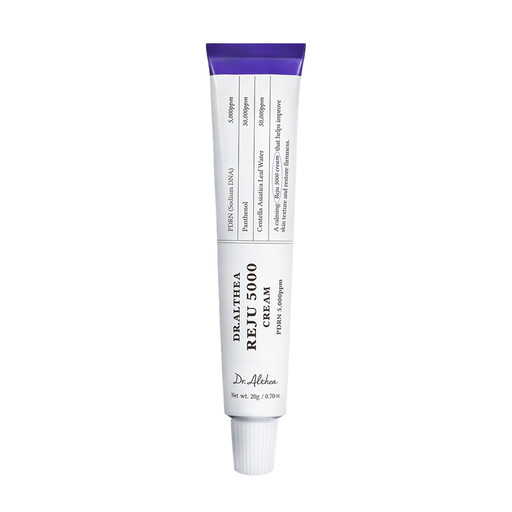
Why this product suits this profile: This lightweight cream contains glycerin, panthenol, Centella Asiatica leaf water and several forms of hyaluronic acid. It may appeal to people who prefer hydrating skincare with a non-sticky texture.
The description provides specific details about the texture, application and warnings. The INCI list should be checked against the packaging again before buying, as changes are possible.
Several forms of hyaluronic acid; panthenol and Centella Asiatica are included in the stated formula.
We have put together a complete, regularly updated list of products that fully meet these strict selection criteria and the safety regulations applicable in the EU.
If your skin is very dry, a cream containing oils or butters may feel more comfortable in the evening. Lighter formulations are often more practical in the morning, beneath sun protection and make-up. A face cream for sensitive skin should ideally be tested on a small area first.
There is no fixed age at which to start. From around 30, a simple routine consisting of cleansing, moisturiser and sun protection may be beneficial. What matters is your skin’s condition, dryness, sensitivity and your personal skincare goals—not simply the age stated on the packaging.
The relevant information is the open-jar symbol showing the number of months, along with the printed best-before or expiry date. Creams should be stored closed, in a dry place and away from direct sunlight. Any change in smell, colour or consistency is a reason to stop using the product.
No. A night cream is normally intended for evening use and generally does not contain sufficient UV protection. Your morning routine requires a separate sun protection product with a suitable SPF, especially when using retinol or acids.