
Lieferung heute & morgen

Qualitätsgarantie

Willkommens-Angebote freischalten: KOSTENLOSE Lieferung | Bis zu 80 % RABATT | Kostenlose 30-Tage-JoyPlus-Testphase
App herunterladen
An anti-ageing face cream needs to suit your skin, your daily routine and your budget. Terms like “lifting”, “youth” or “filler” on the packaging don’t automatically describe a specific effect. What really counts are the ingredients list, the texture, your skin type and a realistic approach to application.
A name like face cream for wrinkles or firming face cream alone tells you very little about the formulation. So check whether verifiable ingredients such as glycerin, sodium hyaluronate, retinol, niacinamide, peptides or plant oils appear on the INCI list. The order gives a rough indication of the amount contained, but it doesn’t replace individual skincare advice.
A rich cream can feel wonderfully nourishing on dry or mature skin, but may leave oily skin feeling heavy. Conversely, a light gel cream may not be sufficient for very dry skin. Fragrances, alcohol or certain active ingredients can also play a role if you have sensitive skin.
A retinol cream or a product with AHA and BHA should be introduced into your routine gradually. Using it too often can lead to tightness or visible irritation. With retinol and exfoliating acids, it’s sensible to use a suitable sunscreen during the day. If redness or discomfort occurs, pause the application.
50 ml is a common size for face creams, while some specialist products contain 20 ml. What matters is how much product you need per application. A cream for both face and neck can fit more easily into a daily routine than a product intended only for the face.
Also pay attention to the shelf life information, batch number and storage instructions. The complete and most up-to-date INCI list is on the packaging. For imported products, product information may be adjusted depending on the batch.
An anti-ageing day cream should spread comfortably under sunscreen or make-up. Some products already contain SPF, but depending on how long you’re out and your UV exposure, this doesn’t automatically replace a separately applied sunscreen.
A richer night cream may be more suitable for dry or mature skin. Active-ingredient products with retinol are often used in the evening. A cream with AHA or BHA should not be combined with several other active products without careful consideration.
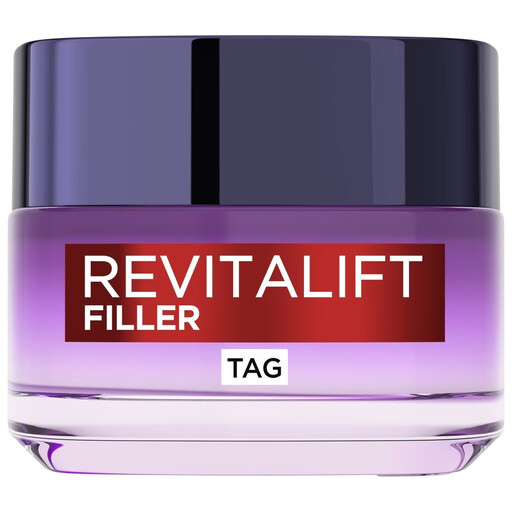
Why this product fits the profile: This day cream contains three forms of hyaluronic acid and is designed for daily use on the face and neck. Its light texture may appeal to those aged around 30 and above who are looking for a straightforward hydrating moisturiser.
The formulation specifically names hyaluronic acid, rather than relying on a vague anti-ageing term. The daytime use is clearly stated.
50 ml content, application areas covering the face and neck, and a hydrating cream base.
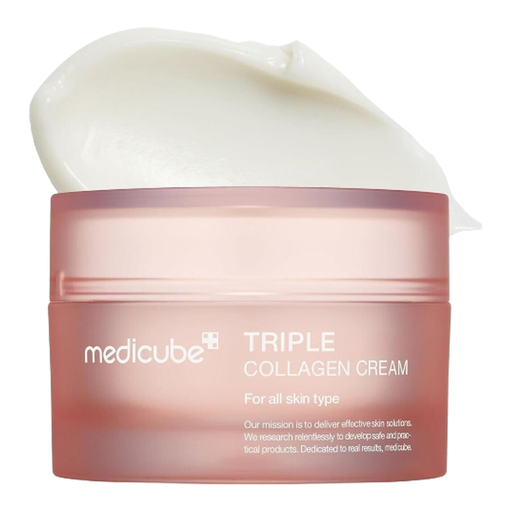
Why this product fits the profile: According to the product details, the formula combines three types of collagen, hydrolysed elastin, niacinamide and hyaluronic acid. It is described as a light cream suitable for normal, dry and mature skin.
The relevant active ingredient groups and the texture are specifically named. This makes it easier to match the choice with your own skincare goals.
50 ml content, hyaluronic acid and niacinamide in the INCI list, and a formulation described as paraben-free, alcohol-free and fragrance-free.
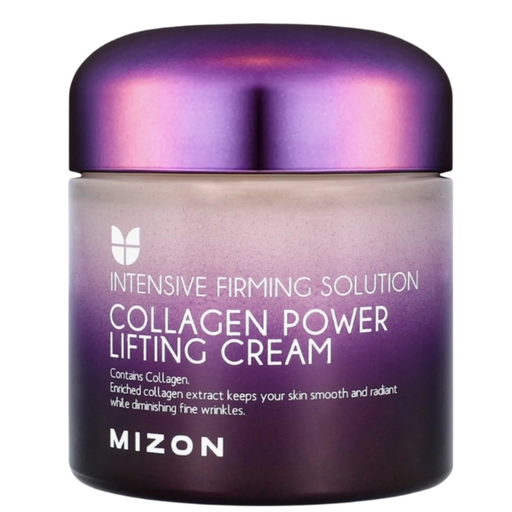
Why this product fits the profile: With 75 ml, this cream offers more product than many 50 ml options. According to the product description, it is intended for use on the face and neck, both in the morning and evening.
The larger volume and the described light texture make it easier to categorise for those who want to use a cream regularly and at multiple skincare times.
75 ml content, hydrolysed collagen and sodium hyaluronate in the stated ingredients list.
We’ve put together a complete, regularly updated list of products that fully meet these strict selection criteria and the safety regulations in force in the EU.
For dry or mature skin, richer formulations with glycerin, hyaluronic acid, shea butter, squalane or plant oils are often a good choice. What matters is whether the cream feels comfortable and doesn’t cause any unwanted reactions. You can test a small amount on a limited area of skin first.
The best-before date or the symbol for the period after opening on the packaging is what counts. Store the cream in a cool, dry place away from direct sunlight. If the colour, smell or consistency changes, it should no longer be used.
That depends on the concentration, formulation and your individual tolerance. With a new product, a slow start is sensible – for example, on individual evenings per week. Use a suitable sunscreen during the day. If irritation persists, stop using it and seek medical advice if necessary.