
Lieferung heute & morgen

Qualitätsgarantie

Willkommens-Angebote freischalten: KOSTENLOSE Lieferung | Bis zu 80 % RABATT | Kostenlose 30-Tage-JoyPlus-Testphase
App herunterladen
An anti-ageing face cream should hydrate the skin and leave it looking well cared for. However, the range includes very different formulations: from a rich night cream to a retinol cream and a light hyaluronic acid cream. If you only look for terms like “lifting”, “collagen” or “rejuvenation”, you might buy a product that doesn’t suit your skin type or daily routine.
This buying guide from the Joybuy Product Recommendation Officer objectively explains the key information and shows what adults over 40, as well as those with dry, mature or sensitive skin, should look out for.
Collagen, PDRN, retinol and hyaluronic acid are common components of an anti-wrinkle cream. However, simply mentioning them says little about the overall formulation, concentration, tolerability or application. A collagen cream, for example, may primarily contain nourishing and moisture-binding ingredients. A retinol cream, on the other hand, usually requires careful acclimatisation.
What matters, therefore, is not the length of the ingredient list, but whether the product suits your skin condition, the time of day and your existing routine.
A day cream with SPF can be practical, but SPF 15 only offers limited protection and does not automatically replace a separately applied sunscreen. If you spend a long time outdoors, you should follow the instructions on the product and, if necessary, use a suitable sunscreen.
Even a product marketed as universal can contain fragrances, essential oils, alcohol or active ingredients. If you have sensitive skin, it’s worth checking the full INCI list. New products should first be tested on a small area of skin. If redness, burning or itching persists, you should stop using the product.
For dry or mature skin, a richer face cream for mature skin can be pleasant. Light gel or balm textures are often better suited for people who want to avoid a sticky feeling. If you have sensitive skin, you should check fragrances and essential oils particularly carefully.
A night cream for wrinkles is usually richer and does not need to contain SPF. A day cream, on the other hand, should spread well under make-up or sunscreen. For retinol products, follow the application instructions given by the manufacturer; do not introduce several new active products at the same time.
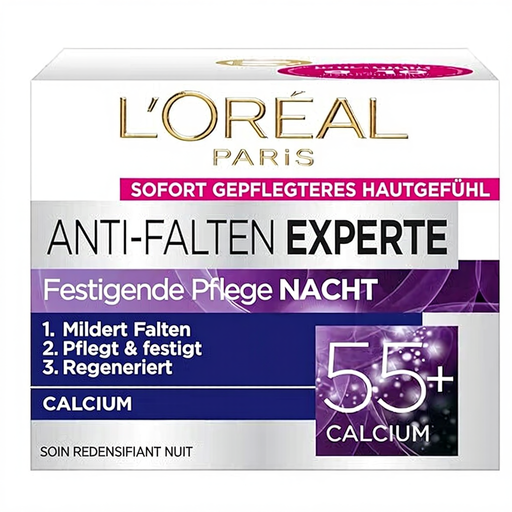
Why this product suits the profile: This rich night cream is designed for mature skin and is applied in the evening after cleansing. The 50 ml size is ideal for a straightforward routine without needing several specialist products.
The product details clearly state its use as a night cream and a rich texture. This makes it easier to distinguish from a day cream with SPF.
50 ml content, calcium according to the product description, and a nourishing consistency intended for the evening routine.
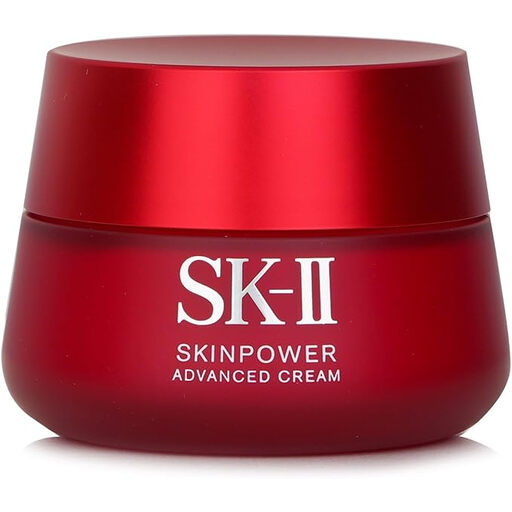
Why this product suits the profile: The 80 g jar is aimed at buyers who prefer a comprehensive cream for both morning and evening use and value a larger fill quantity.
The product description details the application, content and INCI list. However, you should still check the information on the packaging you receive, as formulations can vary by batch.
80 g content, galactomyces ferment according to the INCI list, plus niacinamide and panthenol as listed ingredients.
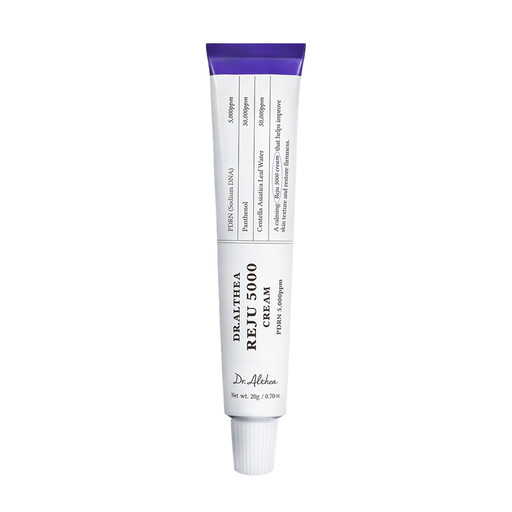
Why this product suits the profile: This light balm cream with 20 ml content is interesting for buyers looking for a compact product with PDRN, panthenol and several forms of hyaluronic acid.
The texture and exact content are clearly stated. Those with sensitive skin should still check the current packaging information and initially use a small amount.
20 ml content, sodium DNA, panthenol and a hyaluronic acid complex according to the product details.
An anti-ageing face cream is applied to cleansed skin. For a retinol cream, it is advisable to start by using it on a few evenings per week. Sunscreen should be part of your daily routine. Rich products can be used in the evening or on dry skin, while lighter textures can be more practical in the morning.
The exact shelf life, batch number and period-after-opening symbol are on the packaging. Jars and tubes should be stored closed, in a dry place and protected from direct sunlight. If the smell, colour or consistency changes, you should stop using the product.
We have compiled a complete, regularly updated list of products that fully meet these strict selection criteria and the safety regulations in force in the EU.
For dry skin, rich formulations with glycerin, shea butter, squalane or hyaluronic acid are often suitable. The key is that the cream does not leave an unpleasant tight feeling and contains no known irritating ingredients.
Beginners should start slowly according to the product instructions, for example on a few evenings per week. If redness, burning or peeling occurs, you should take a break from using it. Using a suitable sunscreen during the day is recommended.
That depends on the content, the amount applied and the frequency of use. A 20 ml product will last less time with sparing use than a 50 ml or 80 ml jar. A small, even amount is usually sufficient; the exact dosage depends on the product instructions.