
Lieferung heute & morgen

Qualitätsgarantie

Willkommens-Angebote freischalten: KOSTENLOSE Lieferung | Bis zu 80 % RABATT | Kostenlose 30-Tage-JoyPlus-Testphase
App herunterladen
An anti-ageing face cream should care for dry skin, visibly smooth fine lines and improve how your skin feels. There’s a wide choice, from classic moisturisers for mature skin to formulas containing retinol, peptides, collagen or hyaluronic acid. What matters most isn’t the length of the ingredients list, but whether the texture, skin compatibility and how you use it suit your needs.
Terms such as ‘collagen cream’, ‘firming face cream’ or ‘cream for more elastic skin’ describe how a product is positioned. They don’t prove that it will have a particular effect for everyone. Collagen in a cream, for example, is a cosmetic skincare ingredient; the formula may primarily help hydrate your skin and leave it feeling smoother.
Many plant extracts, fragrances and essential oils may not suit every skin type. If you’re looking for skincare for sensitive skin, pay particular attention to perfume, fragrance allergens that must be declared and how your skin reacts. It’s a good idea to patch test on a small area of skin.
A cream with retinol or retinal can be a targeted option for early fine lines, but you should introduce it gradually. Redness, dryness or tightness are signs that you should cut back or take a break from your routine. Use a suitable sunscreen during the day. If you’re pregnant or breastfeeding, follow the guidance for the product and seek medical advice.
Dry or mature skin often benefits from richer ingredients such as squalane, shea butter or plant oils. A light gel-cream may feel more comfortable on combination skin. Dry, sensitive skin doesn’t necessarily need the richest formula; a simpler blend that your skin tolerates well may be a better choice.
Compare pack size, shelf life, dosage and how often to apply. A 20 ml jar may run out much faster than a 50 ml tube if you use it every day. For retinol, light-protective packaging and storage in line with the manufacturer’s instructions are particularly important. Always check the current ingredients list on the packaging, as formulas can change.
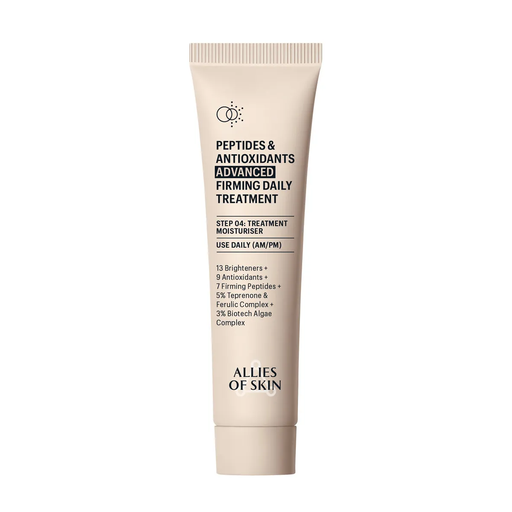
Why this product suits this profile: This face cream combines several peptides, antioxidants, ceramides and hyaluronic acid in a formula for the face, neck and eye area.
The key ingredient groups and 20 ml size are clearly stated, making it easier to compare the contents objectively with larger packs.
Seven peptides, antioxidants, ceramides and hyaluronic acid, according to the INCI and product information.
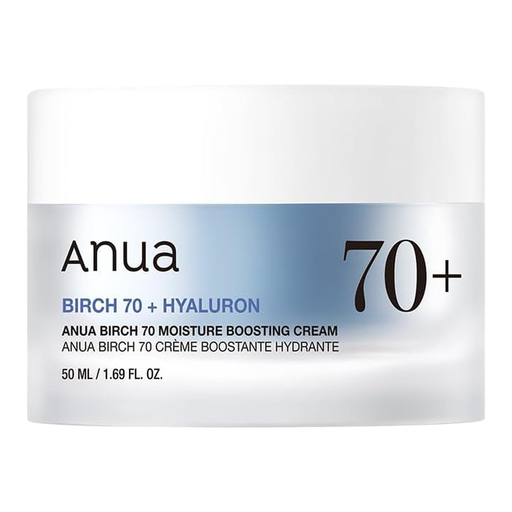
Why this product suits this profile: Its lightweight texture with birch water, panthenol, squalane and betaine is designed for daily hydration of dry or dehydrated skin.
If you’re not looking for an active retinol treatment, this can help you avoid an unnecessarily complicated routine. However, it contains perfume, which is worth bearing in mind if you have sensitive skin.
50 ml size, plus panthenol, squalane and betaine according to the ingredients list.
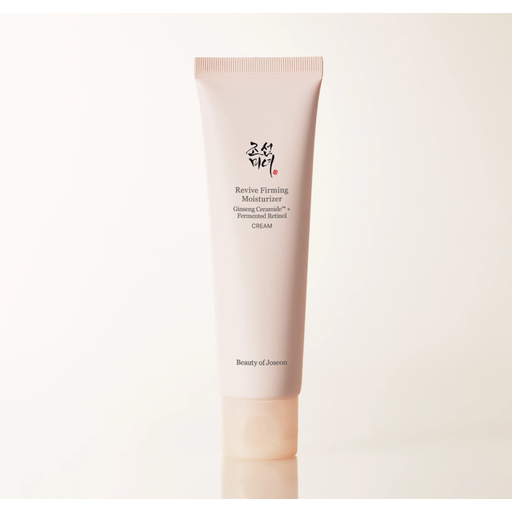
Why this product suits this profile: The combination of fermented retinol, ginseng and ceramides comes in a lightweight gel-cream, designed for people looking for a Korean anti-ageing cream.
The study results cited by the manufacturer are based on 22 people over four weeks. They should therefore be understood as product-specific claims from the manufacturer, not as a general guarantee.
60 ml size, retinol, ginseng and ceramides, according to the product description. Beauty of Joseon reports that its clinical study found changes in elasticity and fine wrinkles after four weeks.
We’ve put together a complete, regularly updated list of products that meet these strict selection criteria and fully comply with the safety regulations in force in the EU.
There’s no one-size-fits-all recommendation. Look for a short INCI list, avoid perfume if needed and test the cream on a small area first. Even products described as gentle can cause individual reactions.
Check the best-before date or the open-jar symbol, along with the storage instructions. Heat, direct sunlight and opening the product frequently can affect its quality. Retinol products need particularly careful storage.
It depends on the concentration, formula and how well your skin tolerates it. Start by leaving longer gaps between applications, and only increase how often you use it if your skin remains calm. Pause use if irritation occurs, and follow the manufacturer’s specific instructions.