
Lieferung heute & morgen

Qualitätsgarantie

Willkommens-Angebote freischalten: KOSTENLOSE Lieferung | Bis zu 80 % RABATT | Kostenlose 30-Tage-JoyPlus-Testphase
App herunterladen
An anti-ageing face cream should hydrate dry skin, visibly smooth fine lines and complement your daily skincare routine. However, choosing one can be tricky: product names such as “Lifting”, “Repair” or “Youth” tell you little about the formula itself. What matters is the ingredients list, the stated sun protection factor and whether the cream is suitable for your skin type.
Ingredients such as hyaluronic acid, collagen and retinol are often given pride of place in product marketing. That doesn’t automatically mean a cream is suitable for every skin type. With a hyaluronic acid face cream, for example, the overall formula and the kind of care you’re looking for are what count. As well as hydration, dry skin often needs nourishing ingredients such as squalane, shea butter or certain oils.
With a retinol face cream, the concentration, frequency of use and packaging are particularly important. Retinol can irritate the skin, so you should introduce it gradually. Always follow the product information and warnings on the packaging.
An anti-ageing cream with SPF can complement your morning routine. However, the stated sun protection factor assumes you apply a sufficient amount. If you’re spending a long time in the sun, sweating or swimming, it’s a good idea to use a separate sun protection product and reapply it. SPF 15 or SPF 30 should not be treated as a complete replacement for sun protection suited to the conditions.
A moisturiser for mature skin can be nourishing without being overly rich. Combination skin may react to heavy textures with a shiny finish or an uncomfortable feel. Dry skin, on the other hand, often benefits from a richer night cream. That’s why the distinction between day cream and night cream can be useful: during the day, texture and UV protection matter; in the evening, nourishing ingredients and comfort can take priority.
An anti-ageing day cream containing niacinamide, hyaluronic acid or Q10 may suit a straightforward daily skincare routine. Retinol products, on the other hand, are generally best used in the evening. Test new active ingredients on a small area of skin first.
When using retinol, pay particular attention to the following:
Ingredients that are sensitive to light and air need suitable packaging. When comparing products, look for tubes, pump dispensers or airtight containers, and check the guidance on how long the product lasts after opening. A large jar isn’t automatically better value if it takes a long time to use up or the formula changes after being opened repeatedly.
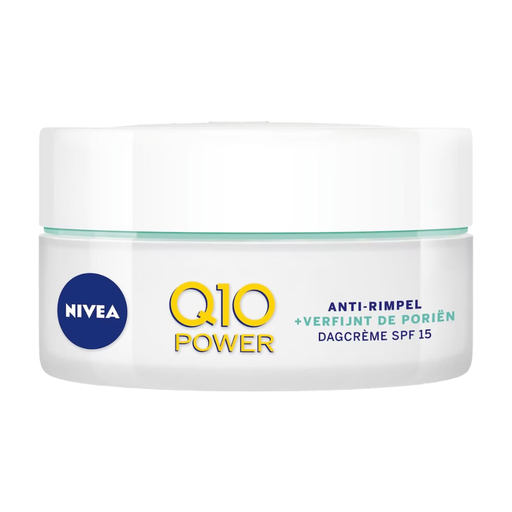
Why this product suits this profile: This day cream combines Q10 and creatine with SPF 15 and, according to the product description, is designed for combination skin. Its lightweight texture may be practical for everyday use.
The stated SPF and suitability for combination skin make the key selection criteria easy to check. In strong sunshine, you’ll need additional sun protection.
50 ml, Q10 and creatine, SPF 15 and a specifically described lightweight texture.
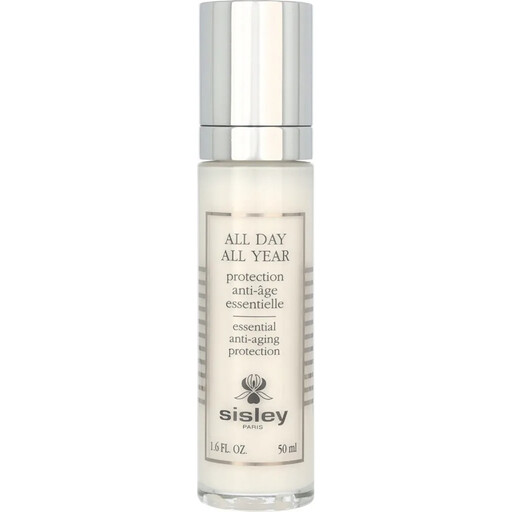
Why this product suits this profile: This day cream is described as suitable for normal skin and contains stated UVA/UVB filters, as well as moisturising ingredients. Its lightweight texture is designed for use in the morning.
The description specifically mentions the UV filters and morning use. Even so, check the INCI list and how your skin responds, and consider using additional sun protection.
Designed for morning use, with glycerin, stated UVA/UVB filters and a fast-absorbing texture according to the product information.
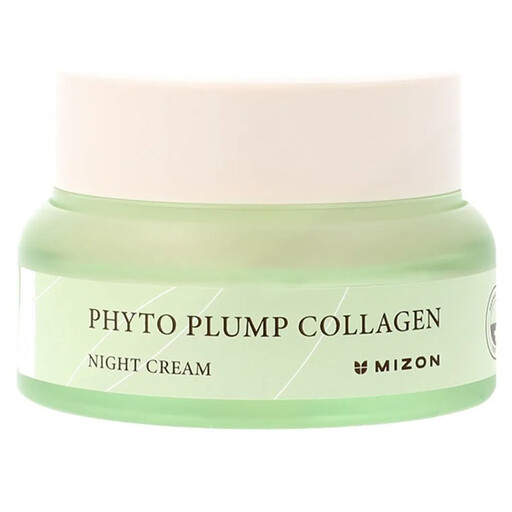
Why this product suits this profile: According to the product description, this night cream contains panthenol, niacinamide, squalane, glycerin and algae extracts. It’s designed to hydrate the skin and leave it feeling cared for in the evening.
The ingredients list includes several humectants and nourishing ingredients. This clearly positions the cream as an evening moisturiser, not a sun protection product.
50 ml, glycerin, panthenol, niacinamide and squalane. Suitable for use on the face and neck.
We’ve put together a complete, regularly updated list of products that meet these strict selection criteria and fully comply with the safety regulations in force in the EU.
Apply face cream to cleansed skin, using the amount specified by the manufacturer. For your morning routine, choose a day cream and, if needed, add a separate sun protection product. An anti-ageing night cream is used in the evening and may have a richer formula.
Avoid introducing new products at the same time as several other products containing active ingredients. This makes it easier to tell whether your skin tolerates a particular formula. If you have a known skin condition, are pregnant or are unsure about using retinol, it’s a good idea to seek individual advice from a medical professional.
For dry skin, consider formulas containing glycerin, hyaluronic acid, panthenol, squalane or nourishing lipids. A richer night cream may feel more comfortable than a lightweight gel cream. Your skin’s individual tolerance remains key.
It depends on the SPF, how much you apply and how much sun you’re exposed to. A day cream with SPF can be practical for short everyday trips. If you’re spending longer outdoors, in strong sunshine or in contact with water, it’s a good idea to use additional sun protection and reapply it.
Check the best-before date and the PAO symbol on the packaging, such as “12M”. Exposure to heat, direct sunlight and frequent contact with your fingers can shorten the product’s shelf life. If its smell, colour or consistency changes, stop using it.