
Lieferung heute & morgen

Qualitätsgarantie

Willkommens-Angebote freischalten: KOSTENLOSE Lieferung | Bis zu 80 % RABATT | Kostenlose 30-Tage-JoyPlus-Testphase
App herunterladen
From the Joybuy Product Recommendation Officer
An anti-ageing face cream should hydrate the skin and help improve the appearance of fine lines, dry patches or an uneven skin tone. However, the choice is vast: face cream for wrinkles, hyaluronic acid cream, collagen cream, retinol cream, as well as day and night creams all take different approaches. What really matters is not just the product name, but the combination of your skin type, ingredients, texture and how you plan to use it.
Terms like "lifting", "rejuvenation" or "filler" often describe a product's positioning. They do not, however, guarantee a specific change to your skin. Cosmetic creams can care for the skin's surface, deliver moisture and temporarily make it appear smoother. How noticeable the effect is for any individual depends on factors such as skin condition, age, routine and frequency of use.
Many ingredients can be beneficial if they match your skin's needs. For dry skin, ingredients like glycerin, panthenol, squalane, shea butter or hyaluronic acid are worth considering. Sensitive skin, on the other hand, may react to fragrances, essential oils or certain preservatives. The full ingredients list on the packaging is therefore more important than individual highlighted marketing terms.
An anti-ageing day cream should sit comfortably under sunscreen and make-up. An anti-ageing night cream can be richer if your skin needs more comfort in the evening. With a retinol cream, a gradual introduction is also advisable. If you apply it too often or too much, your skin may react with dryness or redness.
For a face cream for dry skin, moisture-binding and replenishing ingredients are relevant. Light gel creams often suit dehydrated, normal or combination skin. Rich textures with oils, shea butter or waxes can be more comfortable for dry and mature skin, but may feel heavy on oily skin.
For sensitive skin, it is worth checking for fragrances such as parfum, limonene, linalool or citronellol. A patch test on a small area of skin beforehand can reduce the risk of unwanted reactions. If irritation persists, stop using the product and seek medical advice if necessary.
50 ml is a common fill volume for face creams, while individual products contain 20 ml, 30 ml or 75 ml. A small pot can be useful for an initial tolerance test, but will run out more quickly with daily use. Pay attention to the best-before date or the symbol for shelf life after opening, as well as storage instructions. The ingredients list can change and should be checked directly on the product packaging.
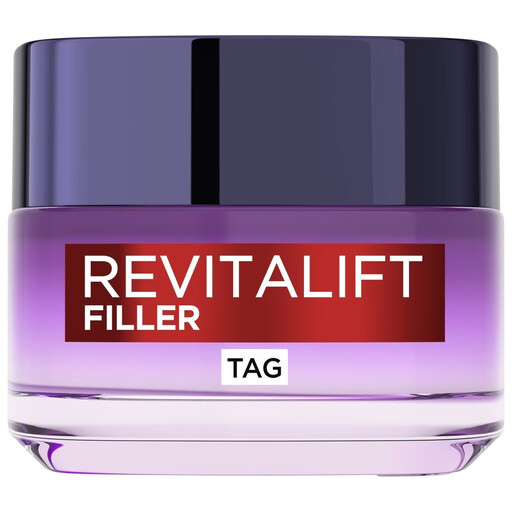
Why this product suits the profile: According to the product description, this day cream contains three forms of pure hyaluronic acid and is intended for daily use on the face and neck.
The product details clearly state the fill volume, area of use and key ingredients, rather than just relying on a general anti-ageing term.
50 ml content, light cream texture and designated morning use.
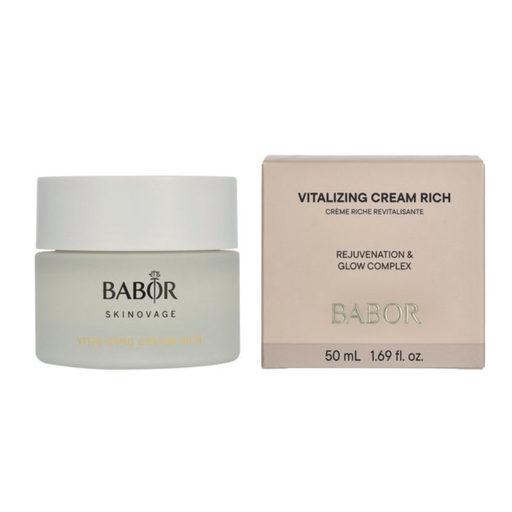
Why this product suits the profile: According to the product description, the rich formulation with glycerin, shea butter and plant oils is particularly aimed at dry and mature skin.
The rich texture is transparently described. This makes it easier to assess whether it suits dry skin and your personal preference.
50 ml content, nourishing oils and use both morning and evening.
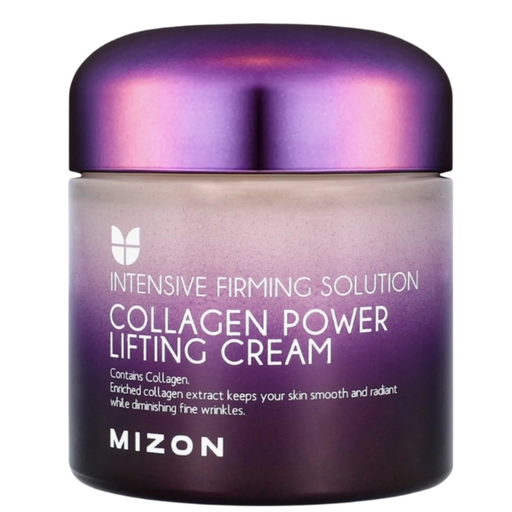
Why this product suits the profile: With 75 ml, this cream is suitable for those who want to care for their face and neck regularly both morning and evening.
The product is not categorised solely by the term "lifting": the ingredients list includes hydrolysed collagen, glycerin and Sodium Hyaluronate, among others.
75 ml content, light texture and designated use in the morning and evening.
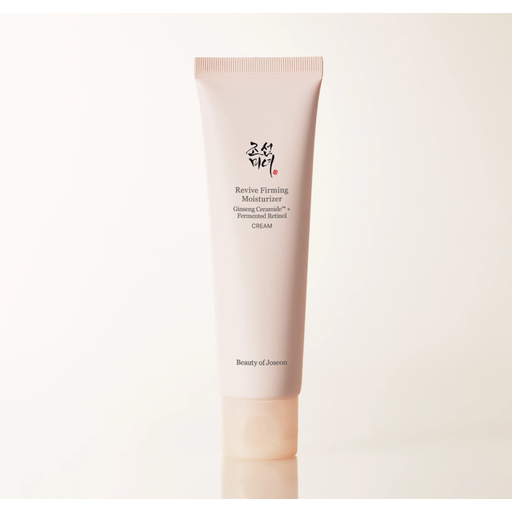
Why this product suits the profile: According to the product description, this Korean anti-ageing cream combines fermented retinol with ginseng and is described as a light gel cream suitable for various skin types.
The retinol focus is clearly identifiable. A gradual introduction and following the manufacturer's instructions help to avoid over-caring for the skin.
60 ml content and a non-sticky gel cream texture according to the product description.
We have put together a complete, regularly updated list of products that fully meet these strict selection criteria and the safety regulations in force in the EU.
For dry skin, richer textures with glycerin, shea butter, oils, panthenol or squalane are often suitable. Personal tolerance is key. A light cream can also work if you use a hydrating serum alongside it.
The shelf life symbol on the packaging, the best-before date and the manufacturer's storage instructions are what matter. Changes in smell, colour or consistency can indicate reduced product quality. Pots should ideally be used with clean hands and stored away from direct sunlight.
Yes, as long as both formulations are well tolerated. In the morning, a pleasant texture followed by sunscreen is usually the priority. In the evening, you can use a richer care product or a targeted retinol cream. However, you should not layer several active products on top of each other without need.