
Lieferung heute & morgen

Qualitätsgarantie

Willkommens-Angebote freischalten: KOSTENLOSE Lieferung | Bis zu 80 % RABATT | Kostenlose 30-Tage-JoyPlus-Testphase
App herunterladen
An anti-ageing face cream should moisturise, help skin look smoother and complement your daily skincare routine as its elasticity decreases. There’s a wide choice, from lightweight Korean face creams to rich luxury formulas. That variety can make comparisons tricky: a high price doesn’t tell you whether the texture is right for you, and a prominently featured ingredient name is no substitute for checking the product as a whole.
Retinol, collagen, PDRN, peptides and vitamin C are often prominently advertised. Their inclusion alone doesn’t show how well a formula will suit your skin. Concentration, position in the INCI list, stability and instructions for use all matter.
A collagen face cream, for example, may primarily be used as a moisturising face cream. Applying collagen to the skin isn’t automatically the same as a proven change in the body’s own collagen production. With PDRN products, buyers should also distinguish between cosmetic skincare and medical claims.
A rich cream can feel comfortable on dry or mature skin, but may feel too heavy on oily skin. Conversely, a very lightweight gel cream might not be enough in dry, centrally heated air. Fragrances, essential oils and certain acids may also be relevant if you have sensitive skin.
Retinol, AHA, BHA and vitamin C can all be part of an anti-ageing routine. If you introduce several products that could cause irritation at the same time, it can be difficult to work out what has caused a reaction. Start by testing new skincare on a small area of skin. If you use retinol or exfoliating acids, it’s also a good idea to wear suitable sun protection during the day.
If you’re new to retinol, a low-concentration retinol face cream can be a manageable option. The Retinol 0.1 Cream, for example, lists 0.1% retinol and recommends introducing it gradually. Retinol products are generally used in the evening; stop using the product for a while if you experience redness, stinging or severe dryness.
AHA and BHA can complement your skincare routine by working on the skin’s surface or helping to care for pores. According to the product information, Lifting AHA BHA Vitamin C Daily Cream contains glycolic acid, betaine salicylate and a vitamin C derivative, among other ingredients. With this combination, patch testing and consistent sun protection are particularly important.
A firming face cream shouldn’t be judged by the word “lifting” alone. Glycerin, hyaluronic acid, panthenol, ceramides, squalane and plant oils are among the ingredients that can help skin feel plumper. Ceramides support the skin barrier, while humectants can help bind water in the upper layer of the skin.
When choosing a face cream for mature skin, texture matters. A cream with shea butter and oils is more suited to dry skin, while a lightweight emulsion or gel cream may be a better fit for combination skin and warmer months.
Check the full ingredients list on the packaging, as formulas can change. If you have sensitive skin, look out for parfum, limonene, linalool and essential oils. Retinol and vitamin C should ideally be stored away from light and heat.
Also consider pack size, price per 10 ml, best-before date or period after opening, and the responsible manufacturer in the EU. A small 20 ml tube may run out much sooner with daily use than a 50 or 80 ml jar.
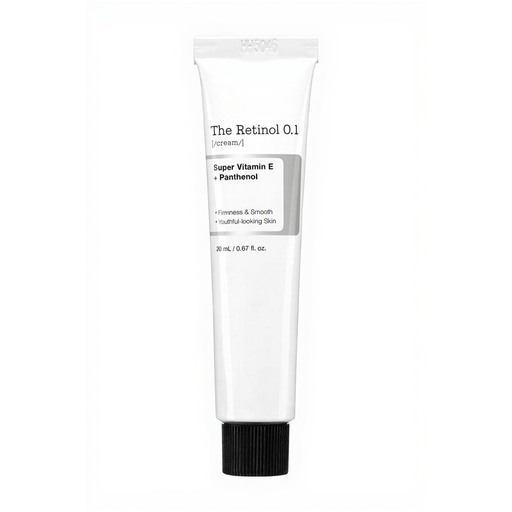
Why this product suits this profile: Its stated retinol concentration of 0.1% and recommendation to introduce it gradually make it easier to start a retinol routine.
A specific concentration is more informative than a general anti-ageing claim.
0.1% retinol, panthenol, adenosine and several forms of hyaluronic acid, according to the product information.
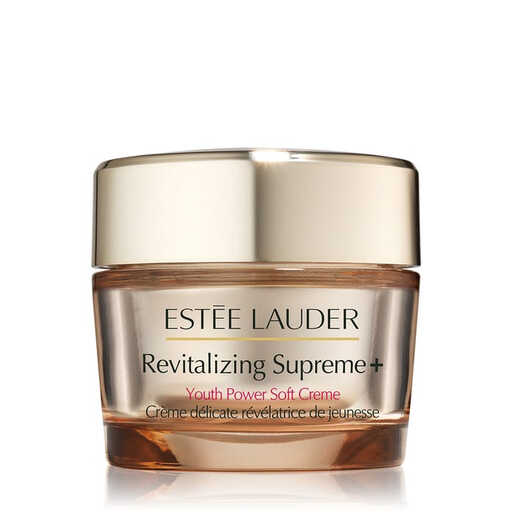
Why this product suits this profile: Its lightweight soft-cream texture may appeal if you prefer skincare that doesn’t leave your skin feeling greasy.
The product description specifies its texture, hyaluronic acid and 30 ml size, making it easier to assess the price and how you’ll use it.
Hyaluronic acid, moringa and hibiscus extracts, and a lightweight texture that absorbs quickly, according to the brand.
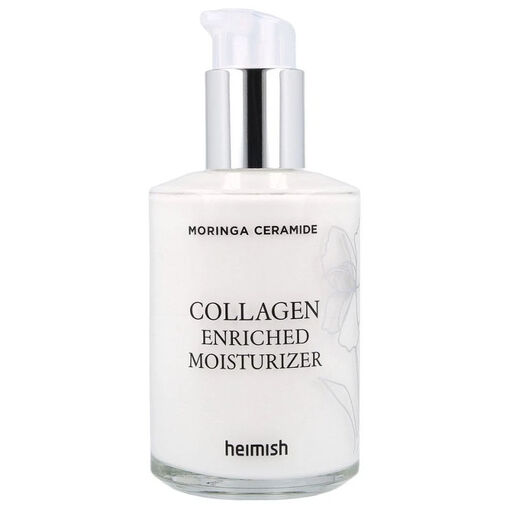
Why this product suits this profile: Its 120 ml size and rich texture may appeal if you have dry, mature or particularly dehydrated skin.
The larger size and clearly listed ceramides make it easier to compare how long it may last and how it supports the skin barrier.
Moringa seed extract, ceramides and collagen, according to the product description; rich texture.
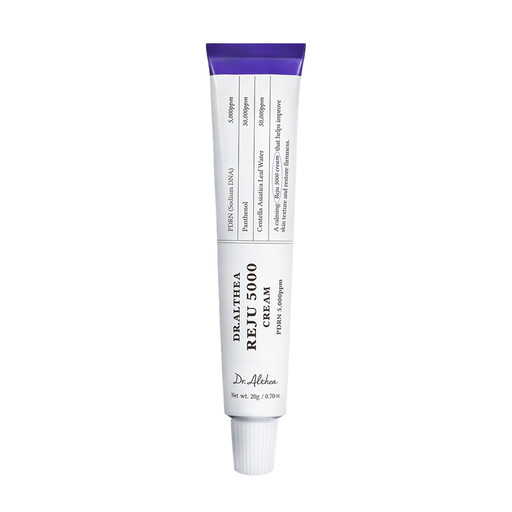
Why this product suits this profile: According to the product information, this lightweight, non-sticky balm cream contains centella, panthenol and several forms of hyaluronic acid.
Its handy 20 ml size lets you try it with care, without having to buy a large jar straight away.
Centella water, panthenol, sodium DNA and a hyaluronic acid complex, according to the INCI information.
We’ve put together a complete, regularly updated list of products that meet these strict selection criteria and fully comply with the safety regulations applicable in the EU.
A moisturising face cream is usually applied after cleansing and, if applicable, after serum or toner. A small amount is often enough for your face and neck. With active formulas, it’s better to build up gradually than to apply a generous amount straight away.
Don’t compare the price per pack alone: check the size and recommended use, too. With daily use, a 20 ml product may run out sooner than a 50 ml cream. Rich formulas often require less per application, while lightweight textures can be spread more generously.
A cream with ceramides, glycerin, hyaluronic acid, panthenol or squalane may suit dry skin. If your skin is very dry, a richer texture such as Heimish Moringa Ceramide Collagen Enriched Moisturizer may be a good choice. However, how well your skin tolerates it is what matters most.
If you’re new to retinol, start by using it on a few evenings a week and only increase the frequency if your skin tolerates it well. Wear sun protection during the day. If irritation, flaking or stinging persists, it’s a good idea to take a break. If you’re pregnant or breastfeeding, speak to a healthcare professional before using products containing retinoids.
Check the best-before date on the packaging and the period-after-opening symbol, such as “12M”. Keep creams closed, dry and away from direct sunlight. If the smell, colour or texture changes noticeably, stop using the product.