
Lieferung heute & morgen

Qualitätsgarantie

Willkommens-Angebote freischalten: KOSTENLOSE Lieferung | Bis zu 80 % RABATT | Kostenlose 30-Tage-JoyPlus-Testphase
App herunterladen
An anti-ageing face cream is designed to hydrate dry skin, visually soften fine lines, or improve the feel of skin that’s losing its elasticity. The options range from a simple hyaluronic acid cream to a targeted retinol cream. Yet it’s precisely this variety that makes buying one so confusing.
Terms like “collagen”, “PDRN”, “lifting” or “firming” initially describe the formula or the intended skincare direction. A collagen cream or PDRN cream can nourish the skin and give it a smoother, more hydrated appearance. However, this does not guarantee a medical or permanent effect.
More important than the product name is the full INCI list. This is where you can see whether ingredients such as glycerin, hyaluronic acid, panthenol, niacinamide or retinol are included, and in what order they appear.
Wrinkle care and sun protection are two different jobs. A day cream with SPF may contain UV filters, but the specific sun protection factor must be stated on the packaging. A regular face cream without SPF does not replace sun protection. Even the Neutrogena Retinol Boost Anti-Ageing Day Cream is listed with SPF 15 according to the product information – this should not be mistaken for comprehensive sun protection for every daily situation.
Dry, mature skin often benefits from a creamier formulation with oils, squalane, shea butter or skin-nourishing lipids. For combination or oily skin, a light emulsion or gel-cream may feel more comfortable. Fragrances, essential oils, alcohol or certain plant extracts can be problematic for sensitive skin. A small patch test is recommended before first use.
With a face cream for wrinkles, the desired skincare approach should be clear:
Retinol products should be introduced slowly into your routine. If redness, stinging or severe dryness occurs, stop using them. During use, a suitable sunscreen is recommended during the day. Pregnancy and breastfeeding should be given special consideration with retinol products, and medical advice sought if in doubt.
For a moisturiser for mature skin, it’s not just the advertised active ingredients that count. Also check:
If you’re looking for a skincare product for dry and sensitive skin, you should favour products with as simple a formula as possible and introduce new active ingredients one at a time.
Retinol is sensitive to light and oxidation. An airtight container and correct storage are therefore practical selection criteria. For every cream, you should check the expiry date, batch number and the symbol for shelf life after opening. The information on the packaging is definitive, as formulations can change from batch to batch.
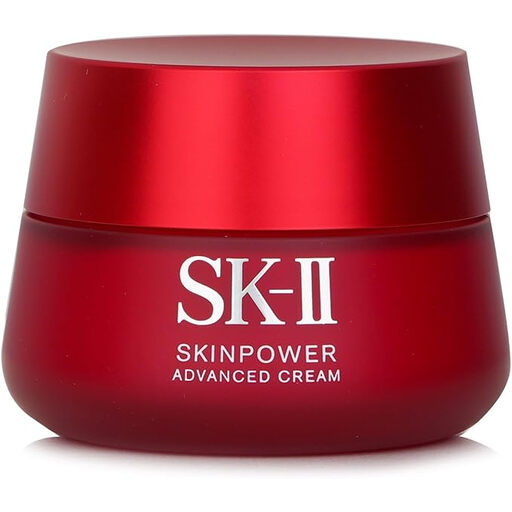
Why this product fits the profile: The 80g size and rich cream formula appeal to buyers looking for a comprehensive face and moisturising care product for both morning and evening.
The full INCI list includes, among other things, fragrances and preservatives. This allows you to assess its suitability more realistically before buying.
80g content plus glycerin, niacinamide, panthenol and dimethicone according to the product information.
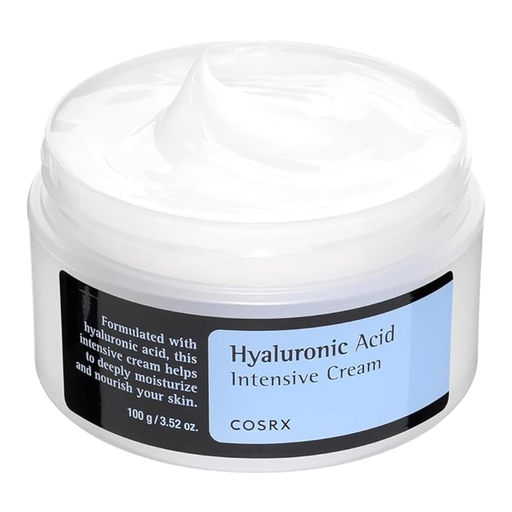
Why this product fits the profile: The light, emulsion-like texture and focus on hydration suit dry skin when a non-greasy moisturiser is desired.
The formula does not rely on retinol or acids. This makes it clearer for a simple hydration routine, but it does not replace targeted retinol care.
Hyaluronic acid and sea buckthorn water according to the product description; light texture with no described greasy feel.
We have put together a complete, regularly updated list of products that fully meet these strict selection criteria and the safety regulations in force in the EU.
A night cream for wrinkles is applied after cleansing and, if applicable, after a serum. With retinol, it is advisable to start by using it on just a few evenings per week. A simple moisturiser can be used morning and evening, unless the manufacturer’s instructions state otherwise.
For dry skin, a thin layer of cream followed by sunscreen in the morning can be beneficial. New products should not be introduced at the same time as several acids, exfoliants or other retinoids. This makes it easier to see which formulation your skin tolerates.
For beginners, a straightforward routine with a gentle moisturiser or a low-concentration retinol cream makes sense. With retinol, you should start with small amounts and longer intervals. A day cream with sun protection can complement the routine.
The symbol for shelf life after opening, the expiry date and the manufacturer’s instructions are what matter. Retinol products may have special storage instructions. If the smell, colour or consistency changes noticeably, the product should no longer be used.
That depends on individual tolerance and the formula. Fragrances, essential oils, alcohol, retinol and acids may require greater caution with sensitive skin. The INCI list should be checked before buying and a patch test carried out. If irritation persists, stop using the product.