
Lieferung heute & morgen

Qualitätsgarantie

Willkommens-Angebote freischalten: KOSTENLOSE Lieferung | Bis zu 80 % RABATT | Kostenlose 30-Tage-JoyPlus-Testphase
App herunterladen
An anti-ageing face cream should hydrate, keep skin supple and help visibly reduce the signs of skin ageing. However, choosing the right one can be tricky, because product names like “firming”, “regenerating” or “24-hour moisture” don’t automatically tell you whether a cream suits your skin type.
Three marketing pitfalls in particular often lead to the wrong purchase:
For dry or mature skin, formulations with glycerin, squalane, shea butter, urea or hyaluronic acid are often a good choice. These ingredients can help moisturise and contribute to a pleasant skin feel. A moisturising face cream shouldn’t be reduced to just one ingredient, though: the entire formula is what matters.
For combination or oily skin, lighter lotions and gel textures are often more practical. Sesderma, for example, offers a gel cream for combination skin. If you have sensitive skin, you should check the full INCI list, particularly for fragrance, essential oils, alcohol and known allergens.
UV radiation is one of the environmental factors that can contribute to premature skin ageing. A day cream with SPF is therefore an interesting option for your morning routine. However, the stated sun protection factor doesn’t automatically describe the level of protection during intense sun, sweating or prolonged time outdoors.
Products with SPF 30, such as those from Eucerin, Clinique, AHAVA, Collistar or NIVEA, offer a higher stated level of sun protection than a cream with SPF 10 or SPF 15. In strong sunlight, you should also use a suitable sunscreen and reapply it regularly. Always follow the instructions on the packaging.
An antioxidant face cream may contain ingredients like tocopherol, vitamin C derivatives, ferulic acid or plant extracts. With a vitamin C face cream, it’s worth looking at the specific form, for example ascorbyl glucoside or tetrahexyldecyl ascorbate.
Retinol-containing products, such as a night cream for wrinkles, should be introduced into your skincare routine gradually. The product from Medik8 contains 0.2% retinol with time-release technology according to the product description, and recommends a step-by-step application. Retinol can make your skin more sensitive to sunlight, so it’s especially important to use a suitable sunscreen during the day. If you’re unsure or have existing skin concerns, it may be wise to seek medical advice.
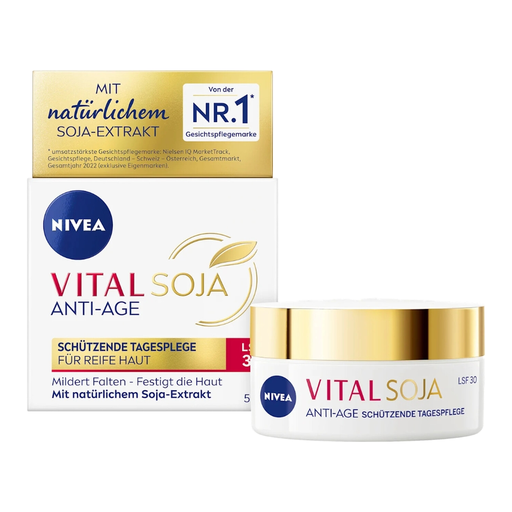
Why this product fits the profile: This day cream combines a richer cream base with SPF 30 and is designed for daily use on the face, neck and décolletage.
The stated SPF 30 makes the UV protection clearer than a moisturiser without any sun protection factor. For longer periods outdoors, you should plan to use additional sunscreen.
SPF 30, soy extract and suitable for face, neck and décolletage; 50 ml content.
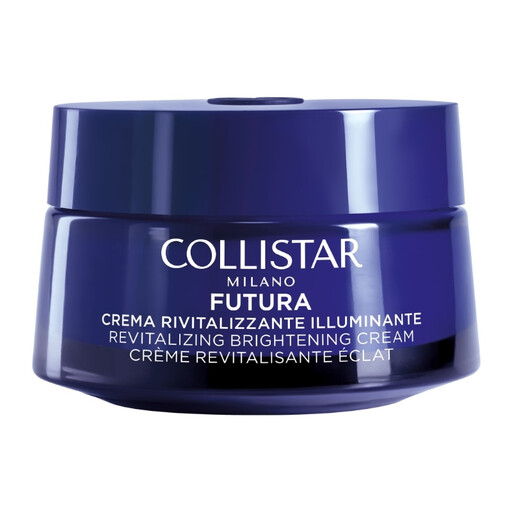
Why this product fits the profile: This silicone-free cream contains, among other things, carnosine, quercetin, centella asiatica extract and rock rose extract.
The product description mentions the silicone-free formulation and its intended use on sensitive skin. You should still check the INCI list before purchasing.
Silicone-free texture, 50 ml content and several stated plant and antioxidant ingredients.
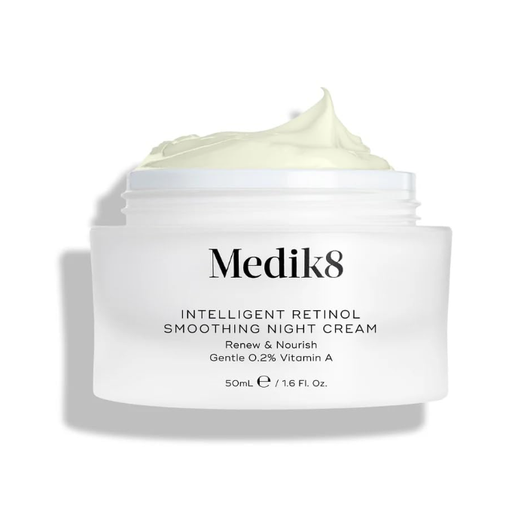
Why this product fits the profile: This night cream is designed for people who want to introduce retinol into their evening routine in a targeted, gradual way.
The stated concentration of 0.2% and a step-by-step application plan make controlled integration easier. If irritation occurs, you should stop using it.
Time-release retinol, vitamin E and sodium hyaluronate; 50 ml content.
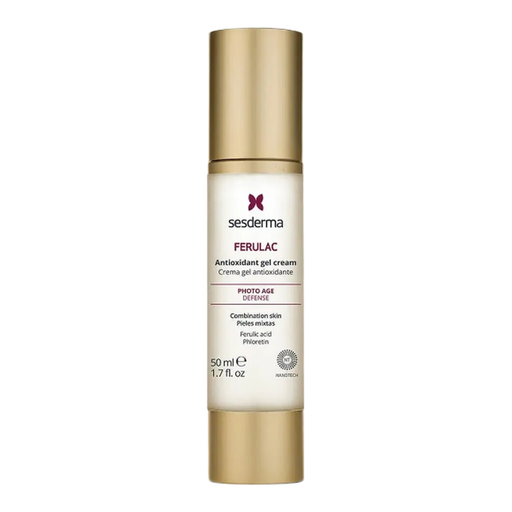
Why this product fits the profile: This gel cream is designed for combination skin according to the product description and absorbs quickly.
The stated gel texture addresses the risk that a rich cream may feel too heavy for combination skin. For dry skin, additional moisturiser may be needed.
Gel texture, 50 ml content and stated antioxidant ingredients; additional sunscreen is recommended.
We’ve put together a full, regularly updated list of products that fully meet these strict selection criteria and the safety regulations in force in the EU.
An anti-ageing day cream is applied to the face and neck after cleansing. When trying a new product, it’s a good idea to do a patch test first, especially if you have sensitive skin. The shelf life depends on the best-before date, batch number and the PAO symbol on the packaging, for example “12M” for twelve months after opening. The smell, colour and consistency shouldn’t change noticeably during use.
A richer face cream for mature skin with glycerin, squalane, urea, oils or shea butter can feel lovely. You should also check whether it contains fragrances or other ingredients that you personally don’t tolerate well.
That depends on your sun exposure and the stated sun protection factor. For daily wear, a day cream with SPF can be practical. In intense or prolonged sun, it’s a good idea to use a separate sunscreen and reapply it regularly.
A simple moisturising night cream can usually be used regularly according to the manufacturer’s instructions. If it contains retinol, you should increase the application gradually – as described with the Medik8 product. If you experience redness, stinging or persistent irritation, you should take a break from using it.