
Lieferung heute & morgen

Qualitätsgarantie

Willkommens-Angebote freischalten: KOSTENLOSE Lieferung | Bis zu 80 % RABATT | Kostenlose 30-Tage-JoyPlus-Testphase
App herunterladen
An anti-ageing face cream is designed to complement your daily skincare routine, lock in moisture and help your skin look smoother or more elastic. The options range from a simple wrinkle cream for the face to a targeted retinol cream or a rich formula for mature skin. What really matters, though, isn't the flashiest marketing claim – it's how well the ingredients, your skin type and the way you use it all work together.
Terms like "Lift", "Collagen" or "Youth" often describe how a product is positioned, not necessarily a proven effect for every person. A collagen cream, for example, may contain collagen as an ingredient and can help nourish or smooth the skin. However, this doesn't provide solid proof that it builds the body's own collagen in the deeper layers of the skin.
Claims such as "instantly rejuvenates" or "wrinkles disappear" should also be taken with a pinch of salt. Cosmetic products can influence how your skin feels, its hydration levels and its overall appearance. They are not a substitute for medical treatment.
An anti-ageing day cream with SPF can be a handy part of your morning routine. However, a sun protection factor of 15, like the one in the Neutrogena Retinol Boost Anti-Ageing Day Cream, isn't automatically enough for prolonged sun exposure. If you're facing intense UV rays or spending a long time outdoors, it's wise to apply a separate, appropriately chosen sunscreen.
A retinol cream isn't automatically suitable for every skin type. If your skin is sensitive or not used to the ingredient, retinol can initially cause dryness, redness or irritation. That's why a gradual introduction, plenty of moisturising care and daily sun protection are all part of a safe routine. If irritation persists, stop using it and seek medical advice.
The packaging should list the full INCI (International Nomenclature of Cosmetic Ingredients). For retinol, details about the concentration or the specific form of retinol used are particularly helpful. The Medik8 Intelligent Retinol Smoothing Night Cream, according to the product description, contains 0.2% time-released retinol. The Neutrogena Retinol Boost Day Cream lists 0.1% pure retinol.
Other common groups of ingredients include:
The order of ingredients gives you a rough idea of how much is in there. But it doesn't replace a full product evaluation.
A light, fast-absorbing cream often works well for normal or combination skin and sits nicely under make-up. Richer formulas with shea butter, oils or squalane can be more comfortable for dry skin and work well as a night cream for wrinkles.
If you're prone to breakouts, be cautious with very rich textures and heavily occlusive formulas – test them gently first. For sensitive skin, fragrances, essential oils and denatured alcohol are important things to check. A patch test on a small area of skin can help you gauge your personal tolerance.
20 ml and 50 ml are not the same in everyday use. With daily application, a smaller pot can run out much faster. A jar gives you easy access but requires clean hands. Pump dispensers or tubes reduce direct contact with the product.
Always check the best-before date, batch number and PAO (Period After Opening) symbol on the packaging. The actual shelf life after opening can vary from product to product. If the colour, smell or consistency changes, stop using the cream.
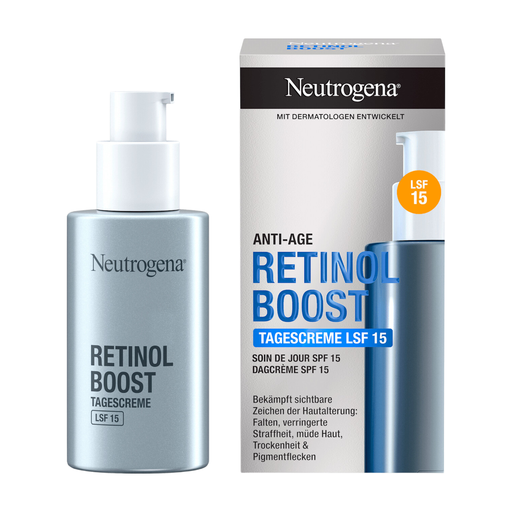
Why this product fits the profile: The combination of a day cream, hyaluronic acid and an SPF 15 rating is ideal for anyone who prefers a straightforward morning routine. Retinol beginners should start by increasing use gradually.
The product description states 0.1% retinol and recommends a gradual introduction. The SPF is not presented as a complete replacement for additional sun protection.
50 ml content, hyaluronic acid and a gel-like texture according to the product details.
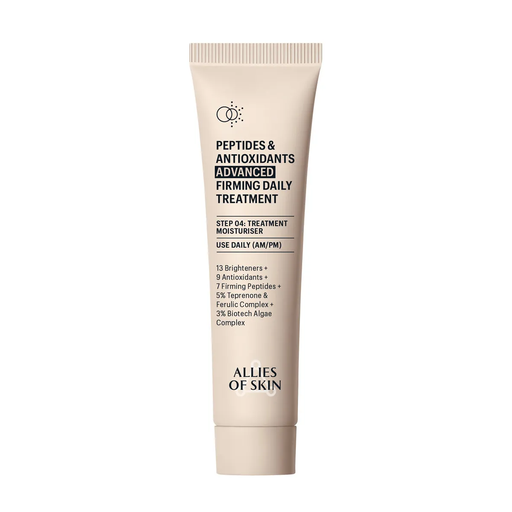
Why this product fits the profile: The formula is aimed at users who want to combine several active ingredient groups in one facial skincare product.
The product description lists specific complexes, peptides and antioxidants, rather than just using a general anti-ageing term.
According to the product details, the 20 ml cream contains seven firming peptides, nine antioxidants and hyaluronic acid.
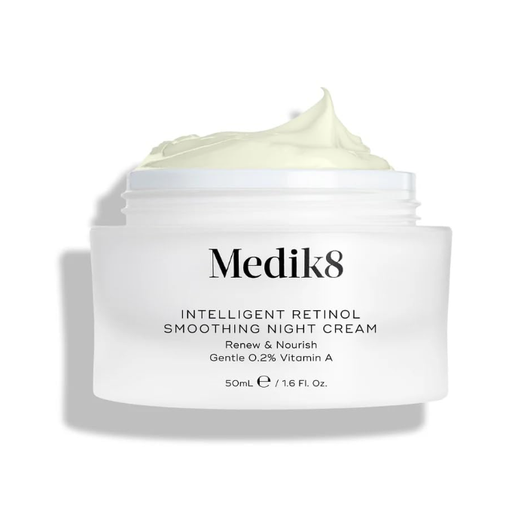
Why this product fits the profile: This night cream is ideal for anyone who wants to use retinol specifically in the evening and build up their routine step by step.
According to the product details, the instructions recommend starting with twice-weekly use. This reduces the risk of using retinol too frequently from the outset.
0.2% time-released retinol, vitamin E and 50 ml content according to the product description.
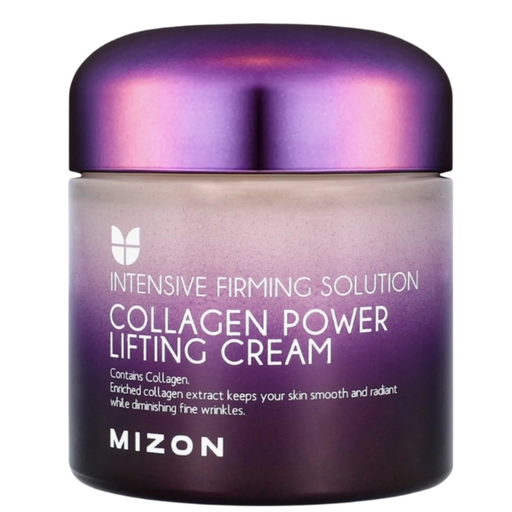
Why this product fits the profile: The 75 ml cream is designed for daily use and combines collagen-enriched care with glycerin and sodium hyaluronate.
The selection is based on the actual moisturising care and fill size, not just the word "Lifting".
75 ml content, plus glycerin, hydrolysed collagen and sodium hyaluronate according to the INCI list.
We've put together a full, regularly updated list of products that meet these strict selection criteria and fully comply with EU safety regulations.
Only apply the product around your eyes if it is specifically designed for that area. Fragrances, honey, essential oils or certain preservatives can be relevant for sensitive individuals. Always check the ingredients list on the original packaging before buying and before use.
From around 30, a simple hydrating anti-ageing cream with glycerin, hyaluronic acid, niacinamide or peptides can be enough for daily care. Retinol is a possible option, but it should be introduced slowly. Your skin type, tolerance and UV protection are more important than any specific age label.
This depends on the product, packaging and storage conditions. The best-before date and the PAO symbol on the packaging are the key indicators. Products stored in a cool, dry place away from direct sunlight will remain usable most reliably within the manufacturer's guidelines.
Yes. A light day cream can be used in the morning with sunscreen, while a richer night cream for wrinkles is applied in the evening. However, be careful not to double up on active ingredients without thinking. With retinol in particular, a gradual build-up is a sensible approach.