
Lieferung heute & morgen

Qualitätsgarantie

Willkommens-Angebote freischalten: KOSTENLOSE Lieferung | Bis zu 80 % RABATT | Kostenlose 30-Tage-JoyPlus-Testphase
App herunterladen
An anti-ageing face cream should moisturise dry skin, improve how it feels and help soften the appearance of fine lines. But there’s plenty of choice, from luxurious face creams packed with plant extracts to retinol creams and lightweight peptide formulations. Products can vary considerably in their ingredients, texture and how they should be used.
If you focus only on terms such as ‘lifting’, ‘youth’ or ‘firming’, you may miss important details. What matters is the full INCI list, how well your skin tolerates the product and having realistic expectations about cosmetic effects.
One ingredient alone doesn’t make a face cream suitable for wrinkles. Hyaluronic acid, peptides, retinol and fruit acids can support different skincare goals. But moisturising ingredients such as glycerin, nourishing lipids, silicones and plant oils also play an important role.
The order of ingredients on the INCI list gives you a rough idea of what a product contains. However, it doesn’t tell you the exact concentration of each active ingredient. Claims such as ‘firming’ or ‘lifting face cream’ should therefore be understood as cosmetic positioning, not as a guaranteed result.
A rich cream may feel comfortable on dry or mature skin, but could feel too heavy on oily or blemish-prone skin. Conversely, a lightweight texture may not provide enough moisture for very dry skin.
Fragrance is also worth checking. Several of the luxurious formulations in our selection contain parfum. If your skin is sensitive to fragrance or you prefer fragrance-free skincare, check the product description and packaging before you buy.
A retinol cream or an AHA night cream isn’t necessarily suitable for everyday use when you’re just starting out. According to the product information, retinol may initially cause redness, tightness or flaking. A cream with 15% glycolic acid may make your skin more sensitive to the sun.
For both types of active ingredient, start by using them sparingly, avoid combining several intensive products at once and wear suitable sun protection during the day. Stop using the product if irritation persists.
For a moisturising face cream, common ingredients include glycerin, Sodium Hyaluronate, Sodium PCA and urea. Peptides such as Acetyl Hexapeptide-8 or Palmitoyl Tripeptide may feature in formulations for mature skin. Their presence, however, doesn’t guarantee a lifting effect.
If you’re looking for a face cream for mature skin, also check for nourishing ingredients such as shea butter, squalane, jojoba oil and other plant oils. How a cream feels on your skin depends heavily on the overall formulation.
Always check the packaging, as INCI lists can change. Before applying a product over a larger area for the first time, it’s a good idea to test it on a small patch of skin. Products are for external use only and should not get into your eyes.
Directions are particularly important for retinol and AHA products. According to the product information, MartiDerm Pro-Reg 15 Cream contains 15% glycolic acid and is intended for evening use. Clinique Smart Repair Treatment is described as a fragrance-free retinol formulation and recommends introducing it gradually.
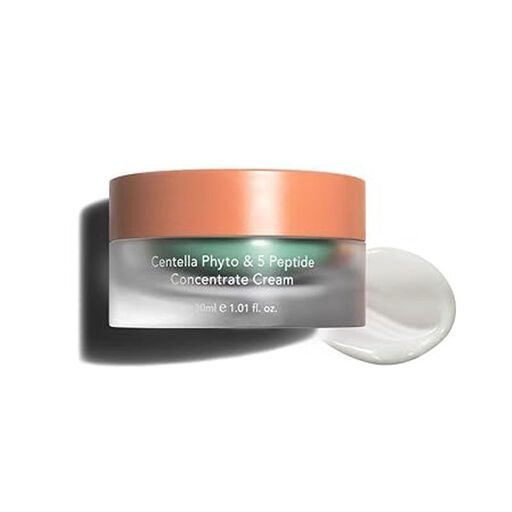
Why it suits this profile: According to the product description, this compact cream is vegan, cruelty-free and free from artificial fragrance. It’s a straightforward moisturiser with a focus on peptides.
The product description highlights specific skincare benefits without using fragrance claims as a selling point. It’s still worth checking the current INCI list before you buy.
The listed ingredients include glycerin, squalane, shea butter and plant proteins. It’s designed for use in the morning and evening.
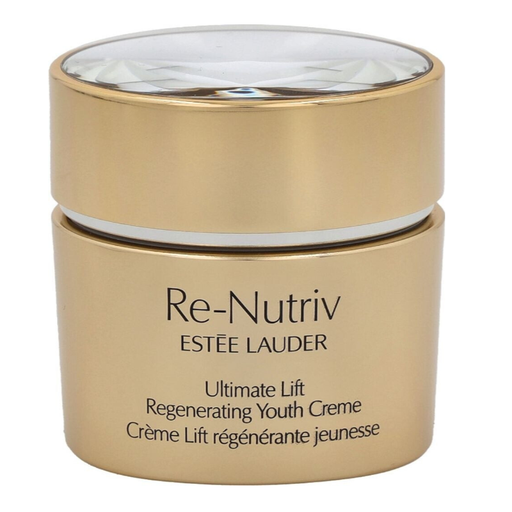
Why it suits this profile: This rich formulation is for anyone who prefers luxurious skincare with nourishing ingredients and a classic cream texture.
The product information lists several specific ingredients, including shea butter, glycerin, Sodium Hyaluronate and Acetyl Hexapeptide-8. Fragrance and allergens are also listed.
A 50 ml size, for morning and evening use, with a formula containing nourishing lipids, moisturising ingredients and several extracts.
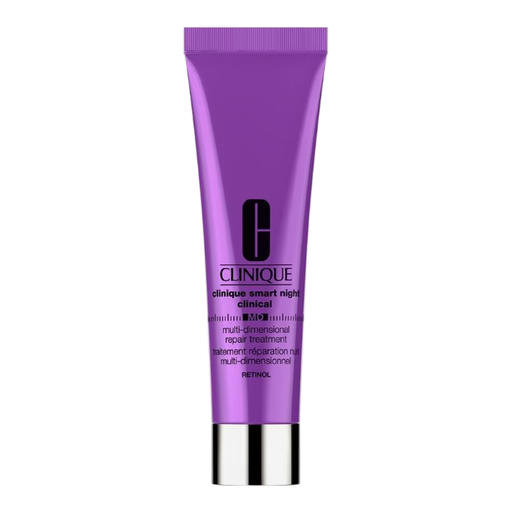
Why it suits this profile: For anyone looking specifically for a retinol cream and able to introduce it gradually into their evening routine.
The product information specifically recommends introducing it gradually, notes possible initial reactions and advises against using other retinol products at the same time.
Described as fragrance-free, with retinol, niacinamide, Sodium Hyaluronate and squalane in the listed INCI ingredients.
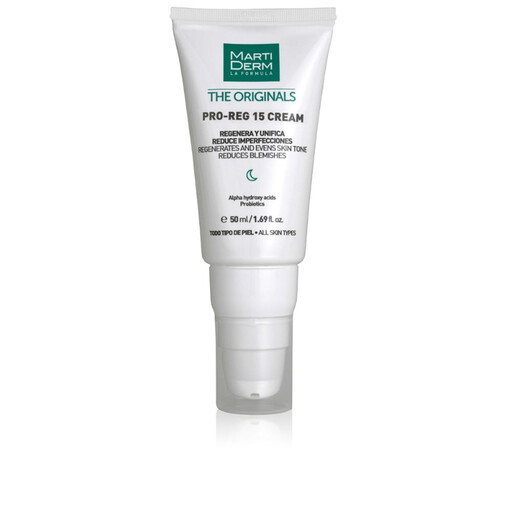
Why it suits this profile: This cream is for shoppers looking for a clearly specified AHA night treatment with a stated active ingredient concentration, and who are prepared to adjust their routine accordingly.
The stated 15% glycolic acid concentration makes the product’s intensity clearer than general claims such as ‘renewing’. It is specifically intended for evening use.
A stated AHA concentration, 50 ml size and additional ingredients such as collagen and tocopherol, according to the product information.
We’ve put together a complete, regularly updated list of products that meet these strict selection criteria and the safety regulations in force in the EU.
For dry skin, formulations containing glycerin, hyaluronic acid, squalane, shea butter or plant oils are often a good choice. A rich cream may feel more comfortable in the evening. If your skin is also sensitive, check the INCI list for fragrance and potentially irritating combinations of active ingredients.
If you’re new to retinol, using it every other evening is a cautious way to see how your skin responds. Always follow the manufacturer’s specific recommendations. Retinol shouldn’t be combined with other retinol products without careful consideration. Suitable sun protection is important during the day.
Check the best-before date and the period-after-opening symbol, usually shown as an open jar with a number of months. Store the cream in a cool, dry place away from direct sunlight. If its smell, colour or consistency changes noticeably, stop using it.