
Lieferung heute & morgen

Qualitätsgarantie

Willkommens-Angebote freischalten: KOSTENLOSE Lieferung | Bis zu 80 % RABATT | Kostenlose 30-Tage-JoyPlus-Testphase
App herunterladen
Fine lines, dry skin and loss of elasticity lead many people from around the age of 35 to reach for an anti-ageing face cream. However, the choice can be overwhelming: terms like "Lift", "Repair" or "Wrinkle Correcting" often describe a brand’s positioning, but on their own they say little about whether the product is right for your skin. What really matters are the INCI list, how you use it, and how well your skin tolerates it.
Retinol, retinal, peptides, hyaluronic acid or fruit acids are often promoted very prominently. But what really counts is whether the entire formulation suits your skin type. A face cream with retinol can be a good option for your evening routine, while sensitive or dry skin may need a slower period of adjustment. A cream with glycerin and ceramides, on the other hand, may focus more on hydration and supporting the skin barrier.
A firming face cream can make the skin’s surface appear smoother thanks to nourishing lipids, humectants or film-forming agents. That is not the same as a permanent change to the skin’s structure. Claims about visible results should therefore always be considered in relation to how long you use the product, the formula itself, and the evidence provided by the brand.
Perfume and fragrance ingredients that must be declared can be relevant for people with sensitivities. Acids and retinoids can also irritate the skin or make it more sensitive to the sun. With an anti-ageing cream for mature skin, you should therefore check not just the product name, but the full ingredients list on the packaging.
With an anti-wrinkle cream, the specific ingredients listed are more important than general marketing terms. According to the product information, the Martiderm Pro-Reg 15 Cream contains 15% glycolic acid (AHA) as well as collagen and tocopherol. Such an acid formula is intended for evening use. Because of the potential increase in light sensitivity, a suitable sunscreen is needed during the day; the product information also recommends this for one week after use.
With a face cream with peptides like the Peptide 11 Elasticity Cream, a peptide complex and glycerin are the focus. However, the INCI list and the position of an ingredient alone do not tell you about its actual effect. Consumers should therefore not expect results that are not supported by the product information.
A moisturising cream for wrinkles should not only make dry skin feel supple in the short term, but should ideally fit your daily skincare needs. Glycerin, sodium hyaluronate, squalane, shea butter or dimethicone are examples of ingredients that appear in the formulations provided. For dry skin, richer textures can feel comfortable; for combination or oily skin, a lighter, faster-absorbing cream is often preferred.
Check whether the product is intended for the face, neck and possibly the décolletage. A cream for face and neck can simplify your skincare routine. Also pay attention to instructions such as "for external use only", avoiding contact with the eyes, and the recommended time of day.
Retinoid-containing products like the Elizabeth Arden Retinol+HPR Ceramide Rapid Skin Renewing Water Cream are used in the evening according to the product information. Sunscreen is recommended during the day. With acids or retinoids, it is sensible to start with small amounts and a lower frequency of use. If you experience redness, burning, peeling or persistent irritation, stop using the product.
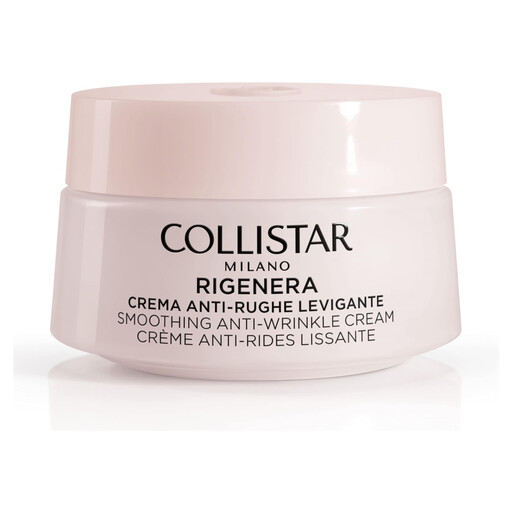
Why this product fits the profile: Using it morning and evening on the face and neck is straightforward, making it suitable for anyone looking for a classic daily skincare product.
The information provided lists specific ingredients such as glycerin, hydrolysed hyaluronic acid and tocopherol, rather than just vague "lift" terms.
50 ml content, suitable for face and neck, and a formulation with humectants and nourishing components.
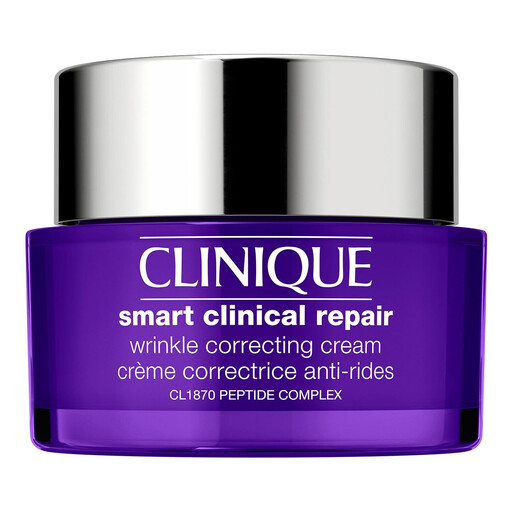
Why this product fits the profile: According to the product information, the fragrance-free, allergy-tested and dermatologically tested formulation is aimed at buyers who pay particular attention to product information about tolerance.
The product description explicitly states that it is fragrance-free, making it easier to pre-select for sensitive skin.
50 ml, a light texture according to the supplier, and ingredients such as glycerin, sodium hyaluronate and several peptides.
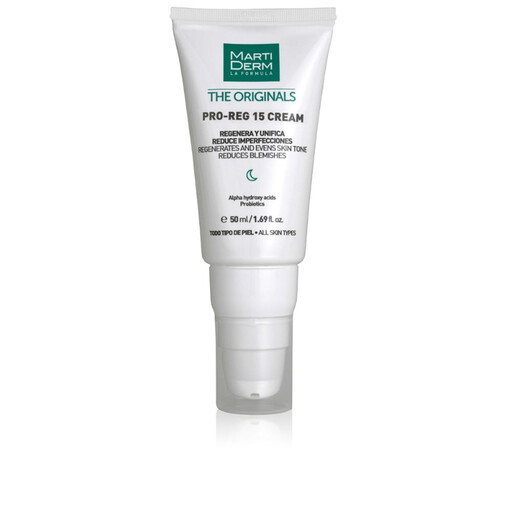
Why this product fits the profile: The clearly defined evening use appeals to those who want to incorporate an intensive regenerating night cream into their routine.
The concentration of 15% glycolic acid is clearly stated. In addition, sunscreen use and specific instructions on when to stop using the product are provided.
50 ml, a stated AHA concentration, and clear instructions for evening use on cleansed, dry skin.
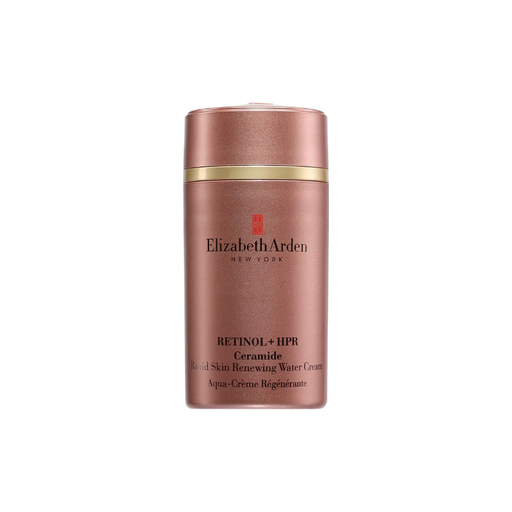
Why this product fits the profile: This light water cream is designed for those who want to combine retinol and HPR with an evening skincare routine.
The product information explicitly mentions possible sun sensitivity and evening use.
50 ml, a combination of retinol, HPR and ceramides according to the product description; the full INCI list should be checked on the packaging.
For skincare around the mouth area, you can also take a look at our selection of cream for lip wrinkles.
We have put together a complete, regularly updated list of products that fully meet these strict selection criteria and the safety regulations in force in the EU.
The best-before date and the symbol for the period after opening on the packaging are what matter. For products with active ingredients, you should follow storage instructions such as protecting them from heat and direct sunlight.
That depends on the formulation. Classic moisturising or peptide creams can be used both morning and evening according to the manufacturer’s instructions. AHA and retinoid products are often used in the evening. Always follow the specific instructions for use.
For dry skin, formulations with glycerin, hyaluronic acid, squalane, ceramides or rich lipids may be suitable. For sensitive skin, fragrances, acids and retinoids should be checked particularly carefully and used sparingly at first. A small patch test is not a substitute for individual dermatological advice.