
Lieferung heute & morgen

Qualitätsgarantie

Willkommens-Angebote freischalten: KOSTENLOSE Lieferung | Bis zu 80 % RABATT | Kostenlose 30-Tage-JoyPlus-Testphase
App herunterladen
Fine lines, dry skin and reduced elasticity change the requirements of your daily facial skincare routine. An anti-ageing face cream should therefore not be chosen solely based on its brand name, packaging or marketing claims. The ingredient list, intended use and compatibility with your own skin are what really matter.
Terms such as hyaluronic acid, peptides and retinol sound meaningful. However, without a stated concentration or a clear position in the INCI list, it can be difficult to assess the actual amount used. With a retinol cream, it is also important to check whether it contains retinol, a retinol derivative or a brand term such as “Pro-Retinol”.
A day cream with SPF can simplify your morning routine. However, the stated sun protection factor only applies when a sufficient amount is applied. During longer periods outdoors, in strong sunlight, when sweating or after drying yourself, using a separate sunscreen and reapplying it may be advisable.
A firming face cream containing plenty of oils and butters can feel pleasant on dry, mature skin. For combination skin or skin prone to blemishes, a lightweight emulsion may be more suitable. Fragrances, essential oils and denatured alcohol are not equally well tolerated by every skin type. You should therefore check the full ingredient list on the packaging before buying.
Different groups of active ingredients may be suitable for an anti-wrinkle face cream:
Cosmetic products do not permanently alter the structure of your skin and are not a substitute for dermatological advice. If your skin is sensitive, irritated or affected by a skin condition, it is advisable to seek individual professional guidance.
Your day cream should suit your daily routine: a lightweight texture, good compatibility with make-up and, where applicable, stated UV protection are practical criteria. At night, richer formulas containing shea butter, squalane or nourishing oils may feel more comfortable.
If you are using retinol for the first time, avoid introducing several potentially irritating active ingredients at once. A small patch test on an inconspicuous area of skin may be advisable before applying the product more widely. Stop using it if redness, stinging or itching occurs.
Look out for:
The following recommendations categorise products according to specific usage situations. The details are based on the product information provided. Before use, check the manufacturer's instructions and the current packaging.
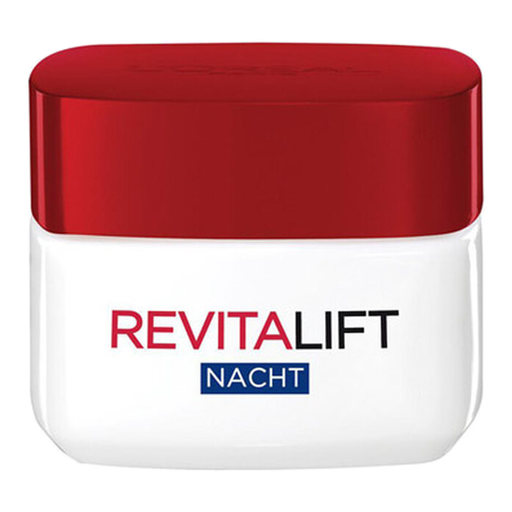
Why this product suits this profile: This night cream is designed for evening use and, according to the product description, contains glycerine, Pro-Retinol A and Fibrelastyl. It offers a straightforward introduction to anti-ageing skincare without the need for an additional SPF step in the evening.
Using it in the evening helps prevent a night cream from being mistakenly understood as a daytime product with sun protection. The full ingredient list should be checked against the packaging before purchase.
50 ml; evening use on the face and neck; retinol derivative according to the product details.
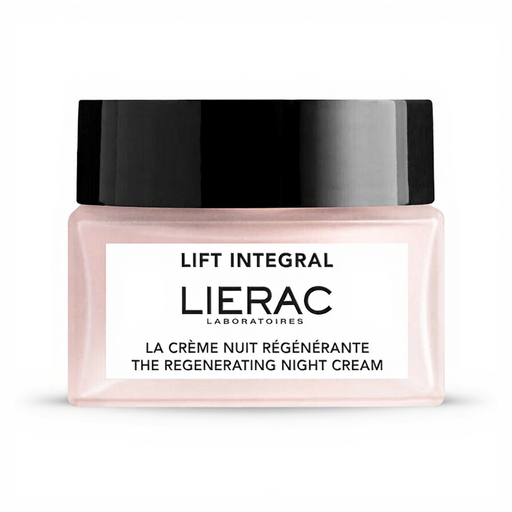
Why this product suits this profile: According to the product description, this rich night cream is intended for the face and neck. It contains 97% ingredients of natural origin and is described as vegan and silicone-free.
Details about the texture, area of use and formula make it easier to choose based on how the product feels rather than broad promises. If you are sensitive to fragrance, checking the INCI list is still essential.
50 ml; evening use; suitable for all skin types according to the product details.
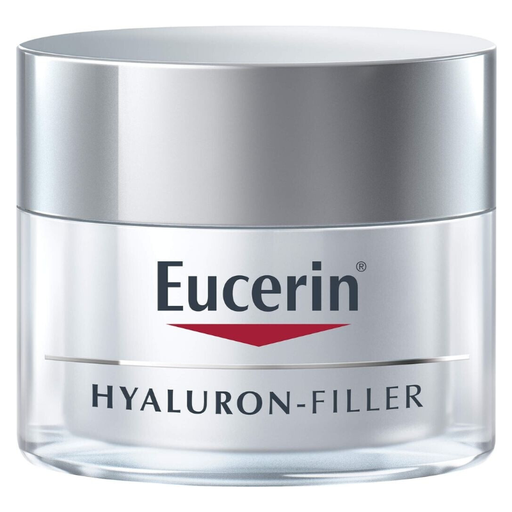
Why this product suits this profile: This day cream combines hyaluronic acid with a stated SPF 30 and, according to the product description, is intended for the face, neck and décolleté. It is a good fit for a simple morning routine.
The SPF is clearly stated, but in intense sunlight it does not automatically replace applying a sufficient amount or reapplying. The product details also list fragrance and denatured alcohol, which should be taken into account if you have sensitive skin.
50 ml; SPF 30; hyaluronic acid; lightweight texture according to the product description.
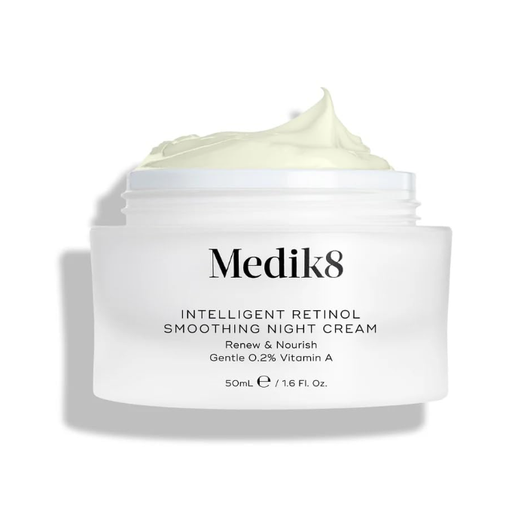
Why this product suits this profile: According to the product details, the formula contains 0.2% time-release retinol, as well as vitamin E and sodium hyaluronate. The manufacturer recommends introducing it gradually, which is relevant if you are following a planned routine.
The concentration of 0.2% is clearly stated. The usage instructions recommend starting with two evenings per week; sun protection is advised during the day.
50 ml; clearly stated retinol concentration; gradual-use instructions.
We have put together a complete, regularly updated list of products that fully meet these strict selection criteria and the safety regulations applicable in the EU.
For dry or mature skin, creamy formulas containing glycerine, hyaluronic acid, shea butter, squalane or nourishing oils are often worth considering. What matters is whether the texture feels comfortable and does not contain any known fragrances or other ingredients that you cannot tolerate. A moisturiser for mature skin can be used in the morning or evening; when using retinol, it is advisable to introduce it gradually.
This depends on the concentration, formula and your individual skin tolerance. A cautious start with a few applications per week is standard. If redness, stinging or flaking persists, stop using the product for a while. Suitable sun protection should be part of your daytime routine. During pregnancy and breastfeeding, seek medical advice before using products containing retinol.
The PAO symbol on the packaging is the key reference, for example “12M”. Products containing sensitive active ingredients may also have specific storage instructions. Close the jar or tube after every use and stop using the product if its smell, colour or consistency changes noticeably.