
Lieferung heute & morgen

Qualitätsgarantie

Willkommens-Angebote freischalten: KOSTENLOSE Lieferung | Bis zu 80 % RABATT | Kostenlose 30-Tage-JoyPlus-Testphase
App herunterladen
An anti-ageing face cream is designed to hydrate dry skin and improve the visible appearance of fine lines. However, the choice is vast: retinol cream, hyaluronic acid cream, PDRN cream, ceramides or collagen are all promoted with different promises. As Joybuy Product Recommendation Officer, I have therefore filtered out the most important product features and typical buying mistakes for you.
A high concentration of a single active ingredient is not automatically suitable for every skin type. Retinol, for example, can require gradual acclimatisation, while dry or sensitive skin also needs soothing and hydrating components. When choosing a face cream for wrinkles, you should always consider the full INCI list, the usage instructions and skin compatibility.
Hyaluronic acid, glycerin and plant oils can hydrate the skin's surface, making it appear temporarily smoother. This is not the same as a proven change in deep wrinkles. A moisturising face cream is therefore particularly useful for feelings of tightness and dryness, but should not promise a medical effect.
With retinol products, concentration, frequency and storage are important parameters. The shelf life after opening can also vary. With international products, you should check before purchase whether the packaging includes a best-before date, a batch number and a PAO symbol. The specific packaging information is decisive, as formulations or product details can change.
For a cream for dry and sensitive skin, fragrance-free formulations, ceramides, panthenol or squalane are often easier to assess than heavily fragranced recipes with many essential oils. Rich textures are better suited to dry skin, while light gel creams can be more comfortable for combination skin or under make-up.
New products should first be tested on a small area of skin. With retinol, a slow start is recommended, for example every other evening. During the day, a suitable sunscreen should be part of your routine. Retinol products should not be used during pregnancy or breastfeeding without consulting a doctor. If redness, burning, itching or severe peeling occurs, stop using the product.
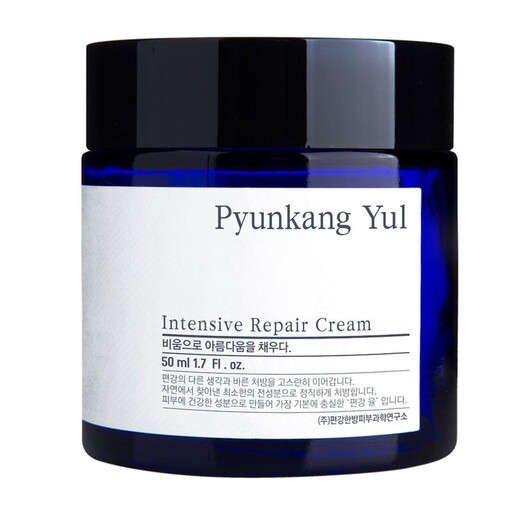
Why this product fits the profile: The formulation is aimed at dry skin and contains ceramides, shea butter, macadamia oil and copper tripeptide-1. It is interesting for buyers looking for a rich barrier care product without retinol.
The focus is not on a single anti-ageing promise, but on understandable lipids and humectants for daily care.
Ceramide NP, shea butter, squalane-like lipids and 50 ml content.
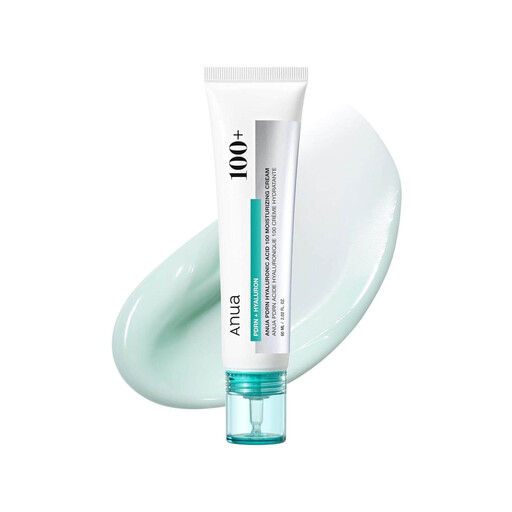
Why this product fits the profile: The combination of PDRN, a hyaluronic acid complex, panthenol and centella asiatica is suitable for buyers looking for a versatile moisturising care product for morning and evening.
The product description lists specific ingredients and daily use. A patch test is still advisable for sensitive skin.
60 ml, PDRN, hyaluronic acid, ceramides and soothing care ingredients.
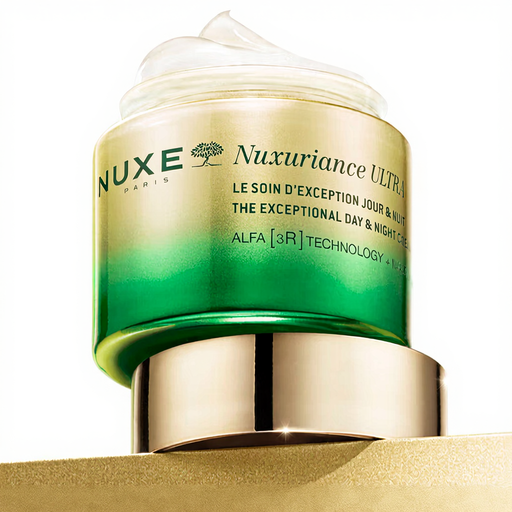
Why this product fits the profile: The cream is intended for use in the morning and evening and contains, among other things, glycerin, niacinamide, shea butter, jojoba oil, squalane and sodium hyaluronate.
The product information lists the key ingredients and application steps. If you are sensitive to fragrance, pay particular attention to the INCI list.
75 ml content, day-and-night concept and several re-fatting ingredients.
We have compiled a complete, regularly updated list of products that fully meet these strict selection criteria and the safety regulations in force in the EU.
For dry skin, glycerin, hyaluronic acid, ceramides, squalane, shea butter or plant oils are suitable selection criteria. A richer cream can be more comfortable than a light gel texture. If you also have sensitive skin, you should critically assess fragrances and many essential oils.
This depends on the concentration and your individual tolerance. A cautious start with one to three applications per week is common. The manufacturer's instructions take priority. If irritation occurs, stop using the product. Sunscreen is important during the day.
The printed expiry date and the PAO symbol, for example "12M", are decisive. For sensitive ingredients such as retinol, additional storage instructions may apply. Keep the batch number and packaging information before purchase and during use.