
Lieferung heute & morgen

Qualitätsgarantie

Willkommens-Angebote freischalten: KOSTENLOSE Lieferung | Bis zu 80 % RABATT | Kostenlose 30-Tage-JoyPlus-Testphase
App herunterladen
Fine lines, dry skin and loss of elasticity are among the most common reasons for searching for an anti-ageing face cream. The choice is vast: anti-wrinkle face cream, firming face cream, lifting cream for the face or K-beauty anti-ageing cream are all marketed with similar promises. What really matters, however, is not the product name, but the formulation, how you use it and whether it suits your skin type.
Labels such as “lifting”, “rejuvenation” or “firming” initially describe a product’s positioning. They do not guarantee a specific change in your skin. Far more telling are the specific ingredients listed, such as retinol, niacinamide, glycerin, hyaluronic acid, peptides or collagen.
A face cream with retinol can be interesting for certain routines, but it isn’t equally suitable for every skin type. If you have sensitive or inexperienced skin, retinol should be introduced gradually. Products containing AHA or BHA can also increase skin sensitivity. A common mistake is using several intensive active-ingredient products at the same time.
An anti-wrinkle cream with SPF can be convenient, but it doesn’t necessarily replace a separate sunscreen with an appropriate SPF for prolonged sun exposure. Especially with retinol or acid-based products, consistent UV protection is an essential part of a sensible skincare routine.
For dry or mature skin, humectants such as glycerin and sodium hyaluronate are important. A face cream with hyaluronic acid can bind water in the upper layers of the skin, helping to create a smoother feel. Rich lipids, shea butter, oils or silicones can also help protect the skin’s surface from moisture loss.
A face cream with collagen contains collagen as a cosmetic skincare ingredient. With a face cream containing peptides, you should check the full INCI list, as “peptides” covers a range of different compounds. Niacinamide is often used in formulas aiming for a more even complexion and a supported skin barrier. Such claims are cosmetic product descriptions, not medical promises.
Look out for indications such as fragrance-free, alcohol content or declared fragrance allergens. If you have sensitive skin, a straightforward formulation with few active components can make selection easier. A patch test on a small area of skin is advisable before the first full application.
Retinol products are usually best used in the evening and introduced slowly into your routine. Always follow the specific manufacturer’s instructions. If irritation, redness or stinging occurs, stop using the product. Do not apply products to broken or severely irritated skin.
Don’t just compare the price; also compare the contents in millilitres or grams, the recommended frequency of use and the type of packaging. Light- and air-sensitive ingredients need suitable packaging and storage. You’ll find the best-before date, batch number and the open-jar symbol on the product or its packaging. Always check the current ingredients list directly on the packaging, as formulations can change.
The following products differ in their active ingredient profile, texture, quantity and application. This classification is intended as a practical guide and does not replace individual dermatological advice.
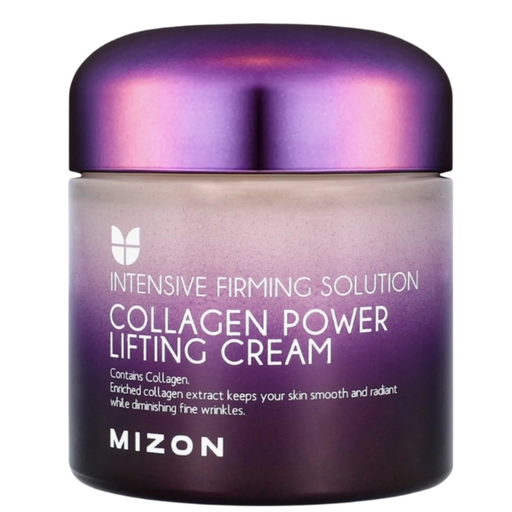
Why this product fits the profile: The 75ml jar is designed for daily use, both morning and evening. The lightweight texture and its focus on dry and mature skin make it easy to start a regular skincare routine.
The product information specifically lists ingredients such as glycerin, hydrolysed collagen and sodium hyaluronate, rather than just using a general anti-ageing term.
75ml content, daily application and a formulation with collagen, glycerin and hyaluronate.
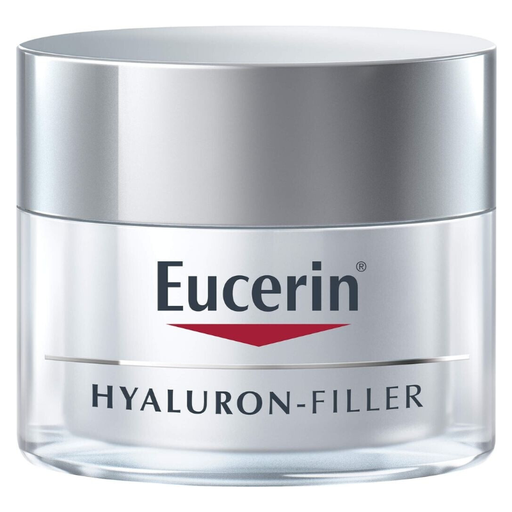
Why this product fits the profile: This day cream combines hyaluronic acid with a stated SPF 30 and, according to the product description, can be worn under make-up.
The SPF is clearly stated. At the same time, it advises using additional higher sun protection in strong sunlight.
50ml content, sodium hyaluronate and SPF 30 for a straightforward daytime routine.
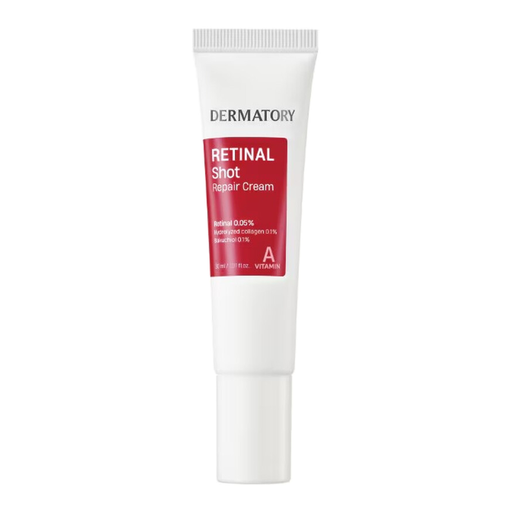
Why this product fits the profile: This cream is aimed at those who want to incorporate retinal or retinol into a targeted evening skincare routine and prefer a richer texture.
The product description lists glycerin, dimethicone, niacinamide and sodium hyaluronate alongside the retinal active ingredient. This allows you to assess the care profile based on the INCI details.
30ml content and a combination of retinal, humectants and niacinamide.
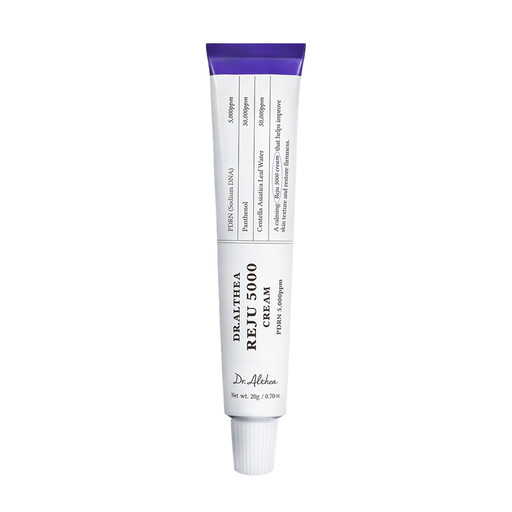
Why this product fits the profile: The lightweight, non-sticky texture and the combination of panthenol, centella asiatica leaf water and several forms of hyaluronic acid suit a minimal, hydration-focused routine.
The product data lists the ingredients and explicitly advises checking the current ingredients list on the packaging. This reduces the risk of buying the wrong product due to outdated online information.
20ml content, several forms of hyaluronic acid and application as the second-to-last or last step in your skincare routine.
We’ve put together a full, regularly updated list of products that fully meet these strict selection criteria and the safety regulations in force in the EU.
For dry skin, formulations with glycerin, hyaluronic acid, shea butter, oils or dimethicone are worth considering. A pleasant texture and good tolerance are also crucial. If your skin is very dry or irritated, focus on hydration and barrier repair first.
This depends on the formulation and your personal tolerance. A slow start with a few applications per week is common; you can then adjust the frequency according to the manufacturer’s instructions. Using a suitable sunscreen during the day is advisable. If you are pregnant or have specific skin concerns, discuss your choice with a medical professional.
Follow the open-jar symbol, the best-before date and the manufacturer’s storage instructions. Changes in smell, colour or consistency may indicate the product has deteriorated. Light, heat and frequent opening can also affect sensitive formulations.