
Lieferung heute & morgen

Qualitätsgarantie

Willkommens-Angebote freischalten: KOSTENLOSE Lieferung | Bis zu 80 % RABATT | Kostenlose 30-Tage-JoyPlus-Testphase
App herunterladen
An anti-ageing face cream should deliver moisture, make the skin’s surface appear smoother, and suit your individual skincare needs. The choice ranges from classic face cream for wrinkles to lightweight gel textures and retinol cream for your evening routine. What really matters, however, isn’t the flashiest advertising claim, but the combination of ingredients, skin tolerance, usage and packaging.
Retinol, niacinamide, hyaluronic acid, collagen and centella are often prominently advertised. But the concentration alone doesn’t tell you much about how suitable it is for daily use. A retinol cream can cause dryness or irritation if you’re not used to it. For beginners, a lower concentration with gradual application is often more practical than switching straight to a stronger formula.
The term firming face cream is often just a product positioning in the cosmetics world. Well-moisturised skin can temporarily look smoother and plumper thanks to hydration. That’s not the same as a medical treatment or a permanent change to the skin’s structure. So look for specific details such as the active ingredients included, skin type, texture and usage instructions.
Some products contain a sun protection factor, for example SPF 15. This value is a specific product feature, but it doesn’t automatically replace a suitable sunscreen for longer periods outdoors. An anti-ageing face cream with retinol is usually used in the evening; the next morning, appropriate sun protection is especially important. Always follow the instructions on the packaging.
When choosing a face cream for mature skin or dry skin, you should check the INCI list:
Dry skin often benefits from richer textures with glycerin, squalane, oils or shea butter. For combination skin, a gel cream can feel more pleasant. If you’re prone to sensitivity, look for a face cream for sensitive skin without added fragrance and check the full ingredients list.
Fragrances such as limonene, linalool, citronellol or parfum aren’t necessarily problematic, but they can be a deal-breaker for people with known sensitivities. A patch test on a small area of skin can be sensible before applying it more widely.
Retinol is sensitive to light and air. A well-sealed container and storage according to the manufacturer’s instructions are therefore relevant buying criteria. For products with vitamin A, you should also follow the guidance on gradual introduction. If you experience redness, burning or persistent irritation, stop using the product.
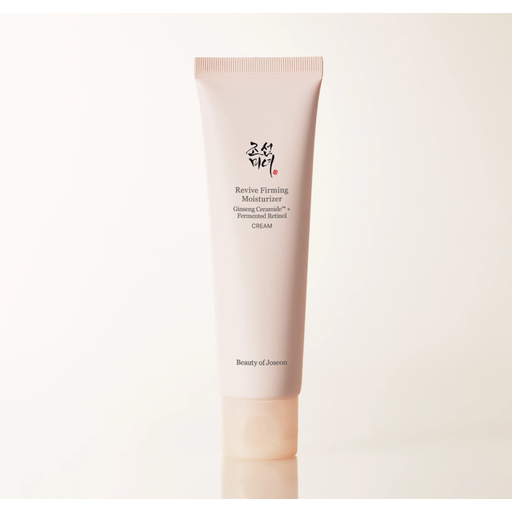
Why this product suits the profile: This gel cream combines retinol with ginseng and, according to the product description, a lightweight, non-sticky texture for regular evening skincare.
The product description specifically mentions usage, texture and target audience, rather than just using a general anti-ageing term.
Fermented retinol, ginseng ceramides and a non-comedogenic gel cream format according to the manufacturer’s details.
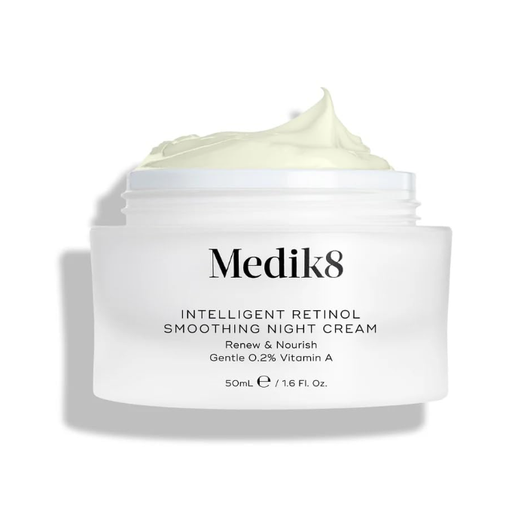
Why this product suits the profile: This night cream contains, according to the product details, 0.2% retinol with time-release technology and is aimed at those who prefer a clearly defined evening routine.
The dosage and a step-by-step usage plan are provided. This makes it easier to tailor use to your individual tolerance.
0.2% time-release retinol, vitamin E, squalane and sodium hyaluronate according to the ingredients list.
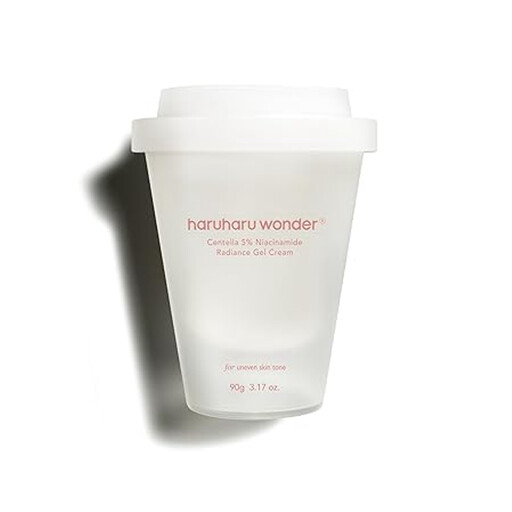
Why this product suits the profile: This fragrance-free gel cream contains 5% niacinamide, centella asiatica leaf water and 2% squalane. The lightweight format is ideal for those who don’t prefer a rich cream.
The formulation is labelled as fragrance-free. This reduces a common deal-breaker for sensitive skin, but doesn’t replace an individual patch test.
5% niacinamide, centella, squalane and a lightweight gel cream texture according to the product description.
We’ve put together a full, regularly updated list of products that fully meet these strict selection criteria and the safety regulations in force in the EU.
A simple routine is often easier to stick with long-term than several products you keep swapping:
For beginners, a formulation with a clearly stated, low retinol concentration can be a sensible choice. Alternatively, products without retinol are an option, such as a lightweight niacinamide, centella or hyaluronic acid cream. What matters most are your skin type, fragrance tolerance and willingness to introduce it slowly.
The best-before date and the PAO symbol on the packaging are what matter, for example “12M”. For retinol products, you should also pay attention to storage instructions, light protection of the packaging and any changes in colour, smell or consistency. If you notice any unusual changes, stop using the product.
That depends on the product labelling. A night cream for wrinkles with retinol is typically intended for your evening routine. Products without light-sensitive active ingredients can, according to the usage instructions, potentially be used morning and evening. The specific manufacturer’s guidance is what counts; for day care, you should also consider sun protection.