
Lieferung heute & morgen

Qualitätsgarantie

Willkommens-Angebote freischalten: KOSTENLOSE Lieferung | Bis zu 80 % RABATT | Kostenlose 30-Tage-JoyPlus-Testphase
App herunterladen
An anti-ageing face cream should hydrate dry skin, visibly reduce the appearance of fine lines and fit into your daily skincare routine. The choice ranges from lightweight gel creams to rich balms. However, it is not eye-catching packaging that matters, but the combination of ingredients, skin type, texture and application.
Names such as retinol, collagen or “lifting” initially describe only an ingredient or the intended skincare focus. They do not prove that everyone will experience the same effect. An anti-wrinkle face cream should therefore be assessed based on its complete INCI list and intended use.
Plant-based collagen should not automatically be equated with collagen produced by the body. In cosmetic formulations, it may primarily be used as part of a nourishing, hydrating texture.
A rich firming face cream can feel comfortable on dry skin, but may feel heavy on oily or blemish-prone skin. Conversely, a lightweight water cream may not be sufficient for very dry skin. The texture needs to suit your skin and the time of year.
An anti-wrinkle night cream is applied in the evening and generally does not contain sufficient UV protection. A separate sun protection product remains important during the day. With retinol products, it is particularly important to use adequate sun protection, as retinoids can increase sensitivity to light.
The order of the INCI list provides a practical indication of which ingredients play a greater role in the formulation. However, it does not offer a direct indication of individual skin tolerance.
For a face cream for dry skin, formulations containing glycerin, squalane, shea butter, plant oils or ceramides are often suitable. Lightweight humectants can be useful for dehydrated skin, while a final balm layer can help limit moisture loss.
Sensitive skin often benefits from a straightforward routine. Fragrances, essential oils and certain preservatives should be assessed based on your individual tolerance. If you have a known allergy, the current ingredients list on the packaging is the deciding factor.
Retinol products are usually used in the evening and not every day at first. A possible starting plan is to apply the product on two evenings per week. If your skin tolerates it well, you can gradually increase the frequency. Do not introduce several highly active products into your routine at the same time.
Before using the product regularly, a patch test on a small area of skin is recommended. If redness, burning, swelling or persistent irritation occurs, discontinue use. Cosmetic creams are not intended to treat skin conditions.
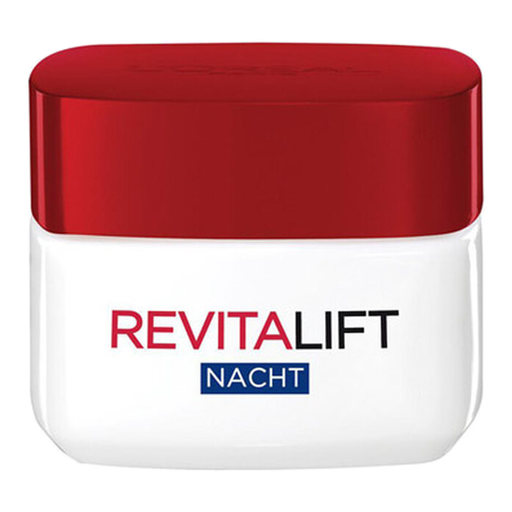
Why this product suits the profile: This cream is designed for evening use and contains Pro-Retinol A and glycerin, making it easy to incorporate into a simple routine.
The product description specifies evening use and notes that the ingredients list is updated regularly. The packaging should therefore be checked before purchase.
50ml night cream with glycerin and Pro-Retinol A; suitable for a clearly structured evening routine.
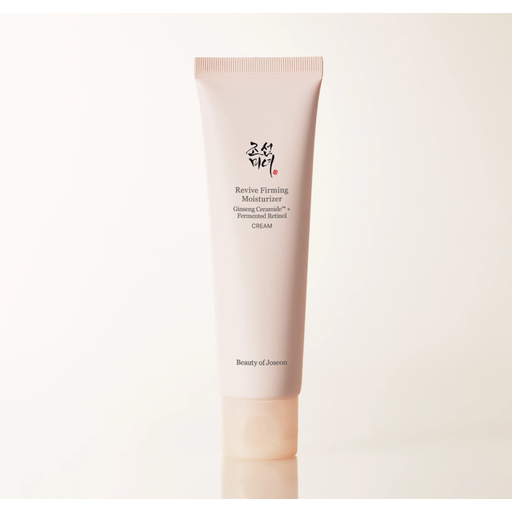
Why this product suits the profile: This lightweight gel cream combines fermented retinol with Ginseng Ceramide and is designed for easy, non-sticky application.
The texture is lighter than a traditional balm. This may suit people who want retinol skincare but prefer to avoid a heavy feeling on the skin.
60 ml contents, lightweight gel cream and ceramide component; according to a Beauty of Joseon clinical study, changes in skin elasticity and fine lines were recorded after four weeks in 22 people.
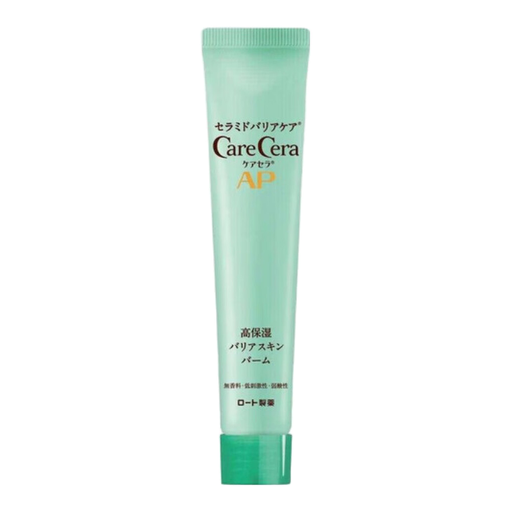
Why this product suits the profile: This balm is aimed at people who want to add a final barrier layer to their skincare routine for dry or sensitive skin.
Its intended use is clearly described as the final skincare step. This makes it possible to target the richer consistency specifically to dry areas.
24 g balm with several types of ceramide, glycerin, squalane and panthenol; designed for facial skincare for dry skin.
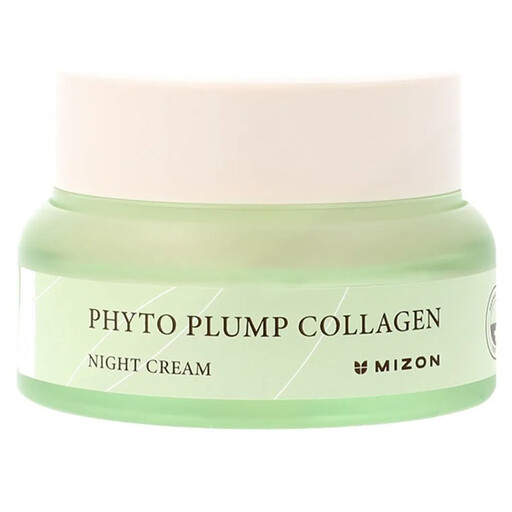
Why this product suits the profile: This richer night cream combines glycerin, panthenol, niacinamide, squalane and plant extracts for evening care of dry or dehydrated skin.
The product information specifically names dry and dehydrated skin as suitable areas of use. For oily skin, the rich texture should initially be tested sparingly.
50 ml contents, plant-based collagen complex, panthenol and niacinamide; designed for use after your evening skincare routine.
We have put together a complete, regularly updated list of products that fully meet these strict selection criteria and the safety regulations applicable in the EU.
For dry skin, formulations containing glycerin, squalane, panthenol, shea butter or ceramides are often a suitable starting point. A rich night cream may feel more comfortable than a lightweight gel cream. For sensitive skin, you should also check the fragrance and allergen list.
The printed best-before date, batch number and open-jar symbol on the packaging are the key points to check. Shelf life can vary depending on the product and how it is stored. Creams should be kept in a dry, cool place away from direct sunlight. If the colour, smell or consistency changes, it is best not to continue using the product.
Not all skin can tolerate daily use straight away. Retinol should initially be used in small amounts and at longer intervals. Pause use if irritation occurs. Suitable sun protection is an essential part of your daytime routine. If you are pregnant, breastfeeding or undergoing dermatological treatment, seek medical advice before using retinoids.