
Lieferung heute & morgen

Qualitätsgarantie

Willkommens-Angebote freischalten: KOSTENLOSE Lieferung | Bis zu 80 % RABATT | Kostenlose 30-Tage-JoyPlus-Testphase
App herunterladen
Fine lines, dry skin or a less elastic skin feel do not automatically point to the right anti-ageing face cream. Many products advertise lifting, collagen or instant effects, yet differ considerably in their ingredients, texture and application. A considered choice can help you avoid unnecessary purchases.
An anti-wrinkle face cream can temporarily make the skin’s surface appear smoother, for example through moisture, film-forming agents or light-reflecting ingredients. This does not mean that wrinkles or loss of elasticity have been permanently changed. Terms such as “lifting” or “volumising care” should therefore be understood as product positioning rather than medical claims.
Hyaluronic acid, collagen, peptides and retinol are often given particular prominence. However, the overall formulation is what matters. A hyaluronic acid cream may be especially appealing when the skin lacks moisture, while a retinol-based product requires different usage instructions and a cautious introduction. Fragrances, alcohol and essential oils may also be relevant for sensitive skin.
An anti-ageing day cream should work well with sun protection and make-up. By contrast, a rich anti-wrinkle night cream may be formulated to provide more intensive nourishment and be suitable for an evening routine. Choosing a cream solely by its label often means overlooking its texture, skin feel and the time of day it is actually intended for.
For dry or mature skin, richer formulations containing glycerine, shea butter, squalane, plant oils or silicones are often worth considering. A lightweight gel cream may feel more comfortable on combination or oily skin. An anti-ageing cream for all skin types may be positioned as versatile, but it will not automatically suit every individual skin sensitivity.
Sensitive skin often benefits from a straightforward formulation. In particular, check for:
Glycerine, panthenol and hyaluronic acid support the skin’s moisture levels. Niacinamide is found in many skincare products and is used to help promote a more even-looking complexion. Peptides and collagen are common ingredients in firming face creams; however, the ingredients list alone cannot guarantee a specific cosmetic effect.
For products containing retinol or Retinyl Palmitate, follow the usage instructions on the packaging. The sebamed Anti-Ageing Rebuilding Cream, for example, contains Retinyl Palmitate and highlights vitamin A. If you are in a particular stage of life or are unsure about using a product, it is sensible to seek advice from a healthcare professional.
50 ml is a common fill volume for face creams. Smaller sizes such as 15 or 20 ml can be useful if you want to try a product first or take it travelling. Tubes often reduce direct contact with the product, while jars require hygienic use with clean hands or a spatula.
Also look out for:
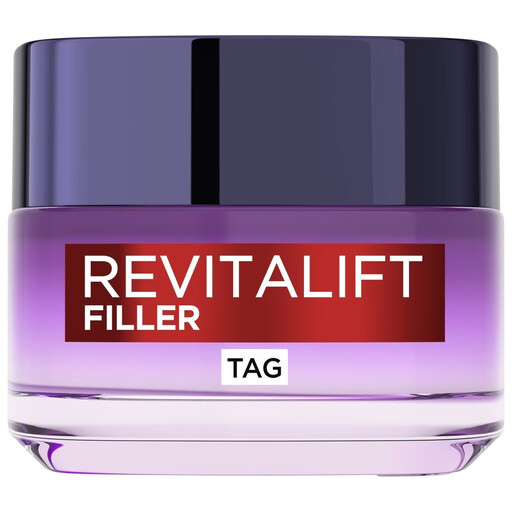
Why this product suits the profile: This day cream, with three forms of pure hyaluronic acid, is designed for daily use and is stated to be suitable for all skin types.
The product description identifies the key ingredients and the intended morning use. This makes it easier to assess how the cream fits with sun protection and the rest of your routine.
50 ml, lightweight cream texture, hyaluronic acid and suitability for the face and neck.
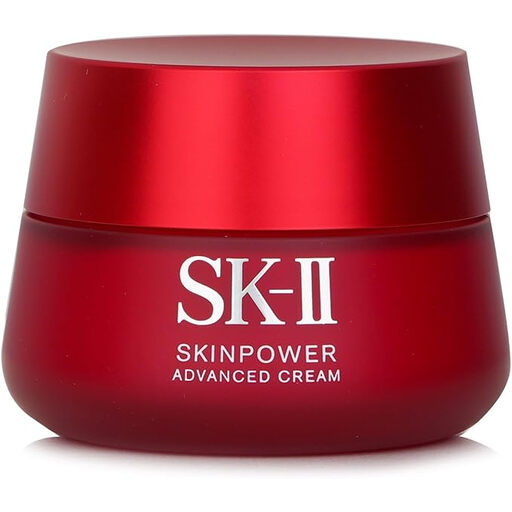
Why this product suits the profile: This richer 80-g cream is aimed at people who prefer a comprehensive routine with a luxurious texture for use both morning and evening.
The complete INCI list includes, among other ingredients, fragrances, niacinamide, panthenol and Tocopheryl Acetate. If you are prone to reactions, you can check these details carefully before buying.
80 g contents, creamy texture, plus PITERA, niacinamide and panthenol according to the product description.
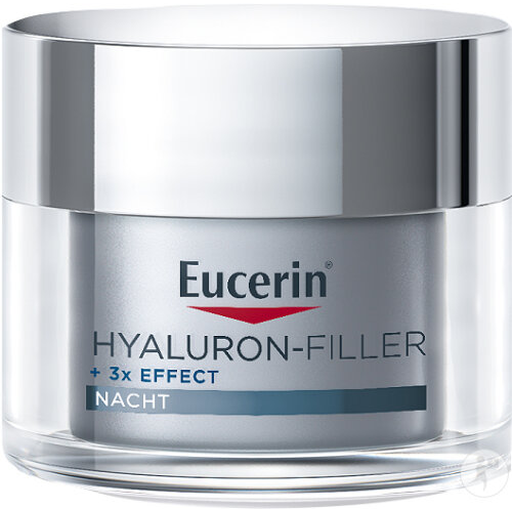
Why this product suits the profile: This night cream is intended for the face, neck and décolletage, making it suitable for people who want to focus their anti-ageing routine specifically on the evening.
Its evening use and stated ingredients—hyaluronic acid, panthenol and shea butter—make its function clearer than a general lifting claim.
50 ml, night cream stated to be suitable for all skin types, plus hyaluronic acid and dexpanthenol.
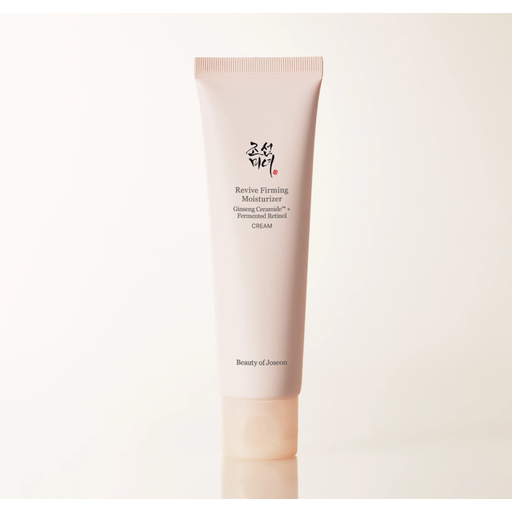
Why this product suits the profile: According to the product description, this lightweight gel cream combines fermented retinol with Ginseng Ceramide and is an interesting option for a gradual routine.
The retinol component is not presented as a risk-free instant solution. Gradual introduction, a patch test and daytime sun protection remain advisable.
60 ml, lightweight gel cream, stated non-comedogenic properties and retinol according to the product information.
We have put together a complete, regularly updated list of products that fully meet these strict selection criteria and the safety regulations applicable in the EU.
A firming face cream can only deliver its skincare benefits as part of a regular routine. Stop using the product if persistent irritation, redness or burning occurs.
There is no single ideal age to start. From around the age of 30, many people pay closer attention to moisture, fine lines or a duller complexion. However, your choice should be based on your skin’s condition rather than age alone.
A day cream is generally designed to feel lightweight on the skin and work well with sun protection or make-up. A night cream may have a richer formulation. If you have dry or mature skin, you can combine both textures according to the time of day.
This depends on the amount used, how often it is applied and the size of the packaging. With daily use, 50 ml will often last for several weeks to a few months. The recommended dosage, the printed expiry date and the open-jar symbol indicating the period after opening are the key factors.