
Lieferung heute & morgen

Qualitätsgarantie

Willkommens-Angebote freischalten: KOSTENLOSE Lieferung | Bis zu 80 % RABATT | Kostenlose 30-Tage-JoyPlus-Testphase
App herunterladen
Fine lines, dry skin or a less elastic feel to the skin can be reasons to introduce an anti-ageing face mask into your skincare routine. The choice ranges from classic sheet masks and hydrogel masks to those containing collagen, hyaluronic acid, peptides or retinol. However, a high concentration of active ingredients alone is not a reliable selection criterion.
As a Joybuy Product Recommendation Officer, I filter market information according to verifiable characteristics. What really matters are the ingredient list, frequency of use, fit and compatibility with your individual skin type.
Terms like "lifting", "regeneration" or "repairing" often describe a product's positioning. They are not automatically proof of a specific cosmetic effect. A mask can temporarily supply the skin with moisture and make it appear smoother. That does not mean wrinkles are permanently altered.
With a collagen face mask or hyaluronic acid face mask, it is therefore worth looking at the full INCI list. Glycerin, Sodium Hyaluronate, Panthenol or Ceramides are more concrete than a general reference to "anti-ageing".
Many sheet masks are designed for around 10 to 20 minutes. If a damp mask is worn for significantly longer, it can dry out and feel uncomfortable on the skin. A hydrogel mask with a specific application method may differ from this. Always follow the instructions on the packaging.
A retinol face mask should not be used on the same evening alongside highly concentrated acids or a strong exfoliant without careful consideration. For sensitive skin, a gradual introduction may be sensible. Products containing retinol generally belong in your evening routine; suitable sun protection is important during the day. Pregnant and breastfeeding individuals should seek medical advice before using retinol and retinal products.
A thin cellulose, microfiber or bio-cellulose mask can mould closely to the contours of your face. It is essential that the eye and mouth areas are left uncovered and the mask does not slip. Hydrogel masks often feel different to classic sheet masks and are sometimes available in two pieces.
With a Japanese face mask or Korean face mask, the country of origin alone should not be the deciding factor. Instead, check the material, application time, packaging information and the responsible person within the EU.
Single masks are ideal for trying out or for occasional use. Bulk packs such as 30, 46 or 50 pieces reduce the cost per application, but require regular use. With pots or multi-use packaging, it is also important that the lid seals tightly after each use and the mask does not dry out.
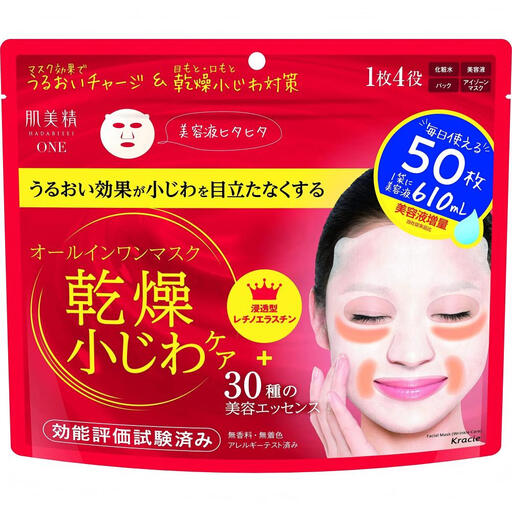
Why this product fits the profile: The pack contains 50 masks and, according to the product description, is intended for use two to three times a week. This suits those who prefer a regular, straightforward routine.
The large quantity makes the cost per application transparent. Hyaluronic acid and collagen are explicitly mentioned in the product description.
50 individual masks; stated application time of 15–20 minutes; additionally lists ginseng and aloe vera extracts.
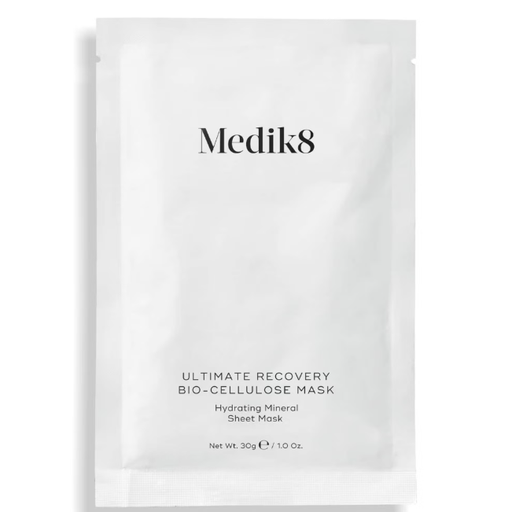
Why this product fits the profile: The bio-cellulose version is designed to fit closely to the contours of the face and, according to the product description, contains hyaluronic acid, fucoidan extract and zinc.
The material, ingredients and application time of 20–30 minutes are clearly described. The formula is stated to be free from alcohol, parabens, phthalates and artificial fragrances.
Bio-cellulose material; six masks per pack; vegan formulation according to the product information.
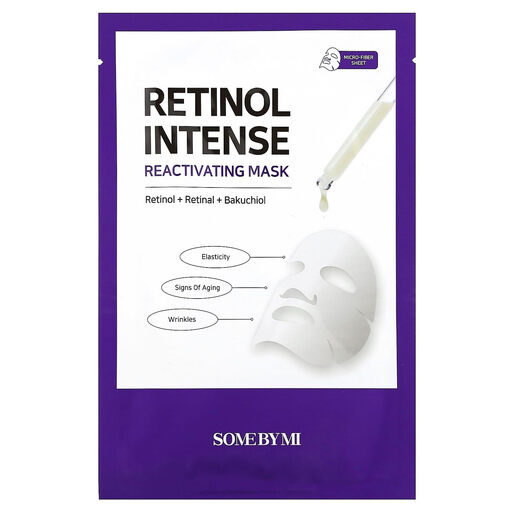
Why this product fits the profile: The pack contains 30 sheet masks and is aimed at those who want to incorporate retinol into a structured evening routine.
The product information states retinol at 0.1 per cent as well as retinal, and advises gradual acclimatisation. This makes controlled use easier.
30 individual masks; centella asiatica and panthenol are listed in the ingredients; guidance on sun protection and ingredient combinations is provided.
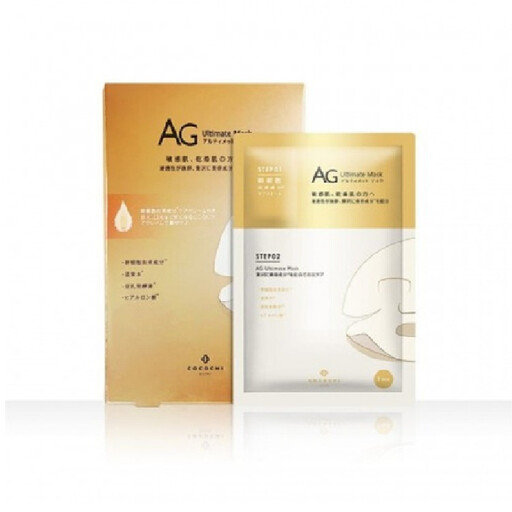
Why this product fits the profile: The two-part application combines a sheet mask with a treatment for the eye and mouth area. According to the product description, it is intended for dry and sensitive skin.
The application steps and the recommended application time of around 15 minutes are clearly stated. If irritation occurs, use should be discontinued.
Two-step format; sodium hyaluronate, panthenol and allantoin are listed in the INCI list.
We have compiled a complete, regularly updated list of products that fully meet these strict selection criteria and the safety regulations in force in the EU.
Before the first use, it may be sensible to do a small patch test on an inconspicuous area of skin. If you have known allergies, skin conditions or are unsure about retinol, check the ingredient list and, if necessary, seek dermatological advice.
This depends on the product and the active ingredient. Hydrating masks are often used two to three times a week. A retinol mask should initially be used less frequently so that your skin's reaction can be observed. The manufacturer's instructions take priority.
The best-before date, batch number and, where applicable, the symbol for shelf life after opening are on the packaging. Individual sachets should be used immediately after opening. An opened multi-pack must be carefully resealed.
There is no one-size-fits-all answer. Hydrogel describes the material, not automatically the compatibility. Check for fragrances, alcohol, essential oils and known allergens in the INCI list. For sensitive skin, a short application time as per the packaging instructions and a prior patch test are recommended.